
Academics Back Seskab Teddy’s Explanation That the MBG Programme Does Not Reduce Education Spending
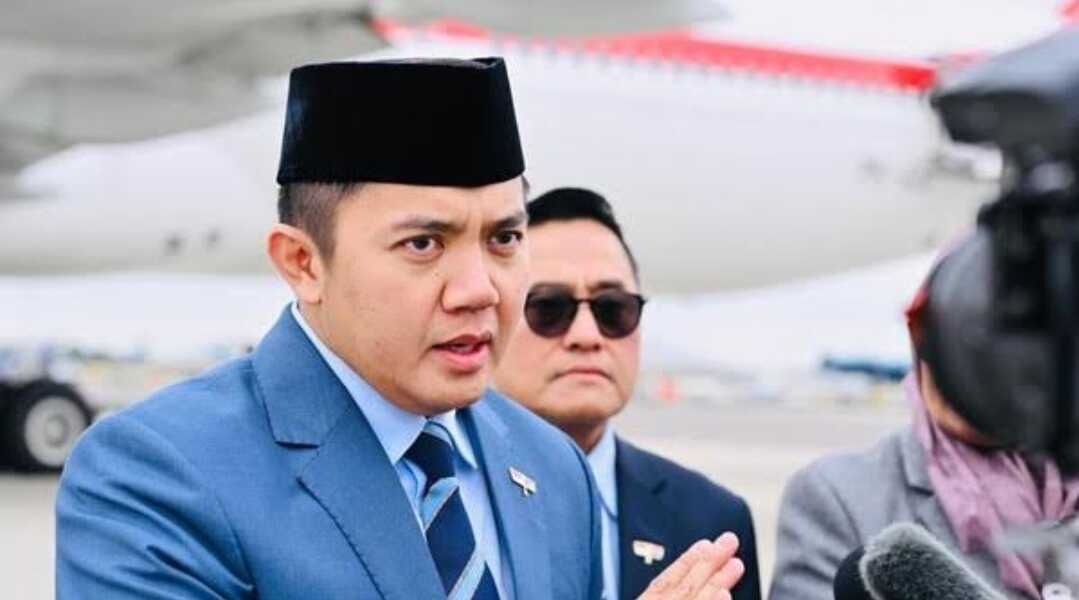
Academics and education experts have voiced firm support for the clarification issued by Cabinet Secretary (Seskab) Teddy Indra Wijaya that the Free Nutritious Meals Programme (MBG) does not reduce or ‘take away’ funding that should be allocated for education. The clarification comes in response to public debate in recent weeks.
In his statement, the Cabinet Secretary explained that education funding remains at 20 percent of the State Budget (APBN) in line with constitutional mandate, and the MBG allocation is part of a human resource development strategy discussed and agreed jointly by the government and parliament through a transparent and collective budgeting mechanism.
In response, a scholar from Esa Unggul University, Dr Iswadi, said the clarification by Seskab is relevant and based on the budget facts already agreed. He stressed that the public narrative that MBG ‘takes’ education funds is a misinterpretation of budget terminology, not a fact that would affect the implementation of education programmes. ‘Seskab Teddy’s statement is very correct. The MBG budget is discussed and approved jointly by the Government and the DPR through the APBN budgeting mechanism. This is not about taking from the existing education budget, but placing the programme within the spending function that has been collectively discussed by the DPR Budget Committee and enshrined in the APBN Law,’ he told media in Jakarta on Tuesday (3 March 2026).
Dr Iswadi, who is also the chairman of Solidaritas Pemersatu Bangsa Indonesia (SPBI), argued that human resource development policy must be pursued through various interventions, including improving students’ nutrition as an integral part of a sustainable national education agenda. ‘Improving the nutritional status of school-aged children is an integral part of efforts to raise long-term education quality,’ he added.
The academic’s statement aligns with the assertion by Said Abdullah, Chairman of DPR RI’s Budget Body, that all stages of MBG budget discussion and approval have been carried out jointly by the government and the DPR from the formulation of the 2025 APBN to the 2026 APBN. ‘I, and all members of the DPR, hold ethical and constitutional responsibilities for the MBG budget, and DPR’s support for MBG aligns with a commitment to strengthen the quality of the younger generation through measured and sustainable nutrition interventions,’ said Said Abdullah. ‘This programme is intended as a nutrition-improvement intervention for children, and we support that. If we did not support it, we would not have approved it in the APBN.’
In closing, Dr Iswadi reiterated that Seskab Teddy’s clarification adequately addresses public concerns about MBG budgeting. ‘I hope the public will not be fooled by the narrative that the free nutritious meals programme sacrifices the education sector. Seskab’s explanation is clear and in line with the government’s and DPR’s joint decision. Looking ahead, what matters more is ensuring that nutrition and education policies run concurrently, reinforce each other, and are truly felt by students in schools,’ he concluded.