
Academic: PP Tunas Strengthens Children's Character Education
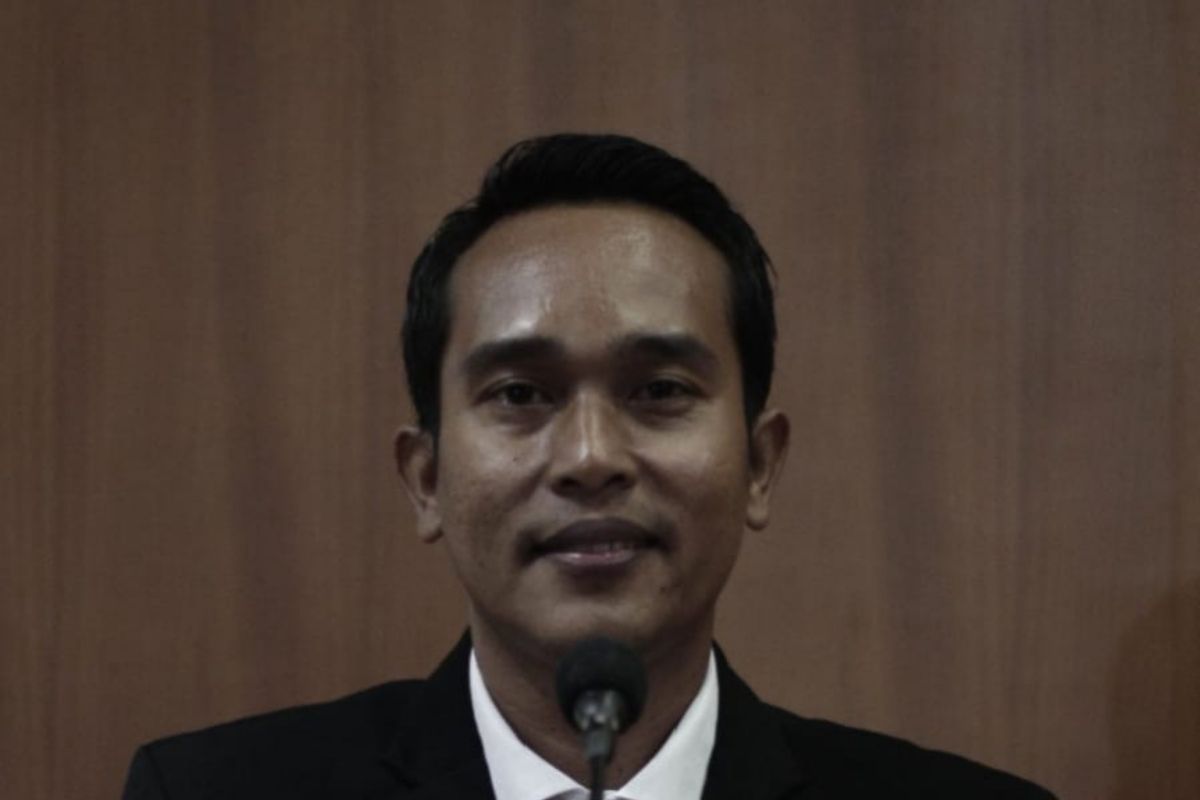
This regulation serves as the state’s response to changes in the cultural landscape due to the increasingly massive penetration of digital technology. Character education is the goal that will be strengthened by this regulation,” said Mardika in Singaraja, Buleleng Regency, Bali, on Saturday.
According to him, from the perspective of Hindu anthropology, technological developments not only impact the technical aspects of life but also touch on the dimensions of values, norms, and cultural practices of society.
Therefore, he said, the presence of PP Tunas is important to ensure that digital transformation does not erode the noble values that have been passed down through generations.
Mardika, who is also the Dean of the Faculty of Dharma Duta, explained that in Hindu teachings, the concept of education is inseparable from character building and self-control alone.
His side also highlighted that the current digital space has become a “new cultural space” that shapes patterns of interaction, ways of thinking, and even children’s identities.
“Without strong regulation, this space has the potential to become an uncontrolled arena where foreign values can enter without adequate filtering,” he explained.
Furthermore, his side emphasised that PP Tunas should not be understood merely as an instrument of restriction, but as an effort to reconstruct digital culture rooted in local wisdom.
Mardika also assessed that the success of implementing PP Tunas greatly depends on the active role of the trisentra of education, namely family, school, and community. All three must be able to become agents of value transmission that are adaptive to the times without losing their cultural identity.
In the family sphere, he emphasised the importance of internalising digital ethics values from an early age. Parents not only play a role as supervisors but also as role models in using technology wisely and responsibly.
Further, his side hopes that this policy can run synergistically with cultural values and Hindu teachings, thus able to give birth to a generation that is not only technologically competent but also has strong character and noble culture.