
Academic: Kartini Day Encourages Mothers' Role in Countering Disinformation
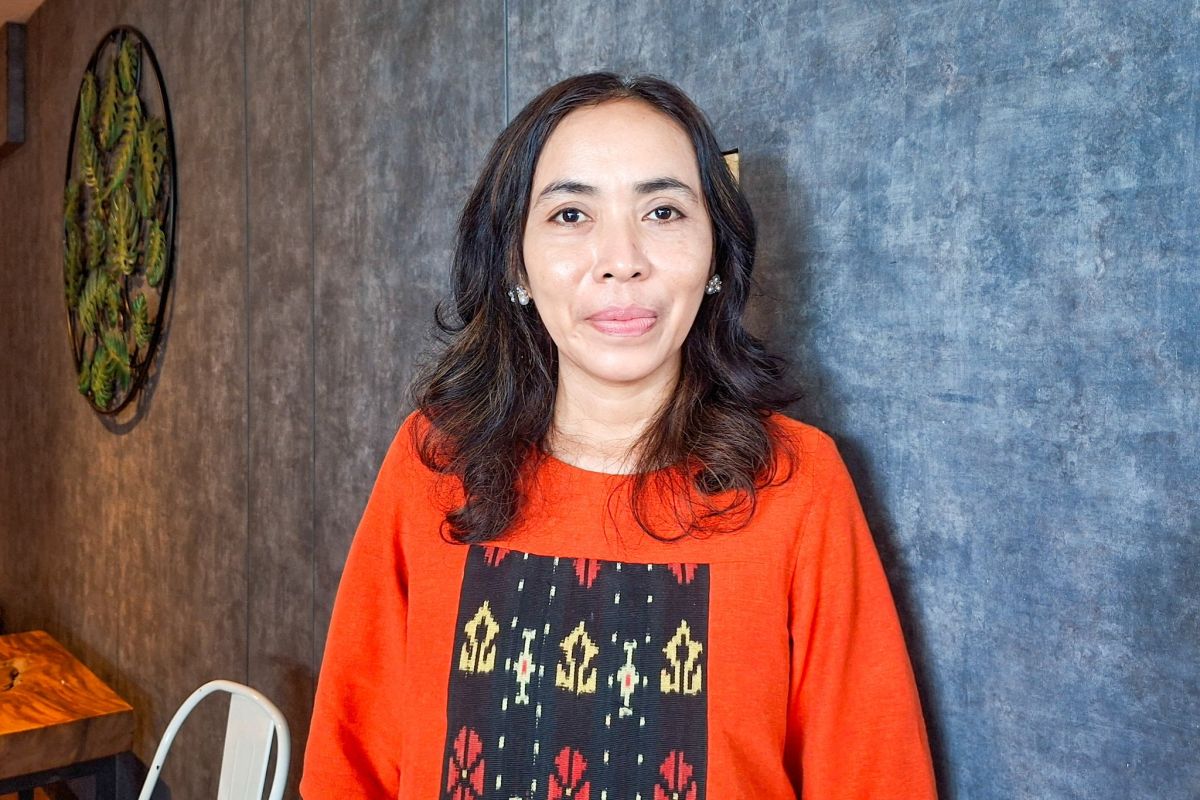
If a mother has good literacy and is able to filter information, her family will be better protected from exposure to hoaxes and disinformation.
Kupang, NTT (ANTARA) - An academic from Nusa Cendana University (Undana) in Kupang, East Nusa Tenggara (NTT), Maria Pabha Swan, views Kartini Day, celebrated every 21 April, as a momentum to encourage the role of mothers in countering disinformation in the digital era.
“In the spirit of Kartini in this digital era, the role of women, particularly mothers, can be likened to goalkeepers who are able to filter information, both disinformation and misinformation, so that the family is not deceived by hoaxes,” she said, who is also the Regional Coordinator of the Indonesian Anti-Defamation Society (Mafindo) in Kupang City, in Kupang on Tuesday.
A lecturer in Communication Studies at the Faculty of Social and Political Sciences (FISIP) at Undana explained that women are the frontline in the family because they serve as the first educators for children before entering formal education. Therefore, mothers not only need intellectual abilities but also adequate digital literacy.
In addition, she continued, women have a protective instinct, including protecting the family from digital scams and increasingly rampant cybercrimes.
“If a mother has good literacy and is able to filter information, then her family will be better protected from exposure to hoaxes and disinformation,” she stated.
One thing that needs to be avoided is the habit of sharing information excessively (over-sharing).
According to her, currently with trends like content monetisation or For You Page (FYP), many people share almost all of their activities, even though not all content is suitable for public consumption.
“Not everything needs to be shared. For example, children. Children are not content objects and must be protected,” she stressed.
She reminded that sharing sensitive information, such as photos of children without clothing or details of children’s activities, can open opportunities for cybercrimes. The more personal information shared, the greater the risk faced.
In addition, the public also needs to sort through information circulating on social media. Not all information can be trusted, so it is important to choose credible sources and conduct verification.
“Share important things, not just to post. If in doubt, it’s best not to forward it,” she said.
Maria added that the use of social media should be done wisely by still paying attention to ethics and security, both for oneself and the family.
She also hopes that the spirit of today’s Kartini is not only about emancipation but also digital literacy.
“If in the past it was known as ‘after darkness comes light’, then today’s Kartini is expected to bring the spirit of ‘after hoaxes comes fact-checking’,” she said.