
Academic: Easter Parade Festival in Kupang Boosts Tourism and SMEs
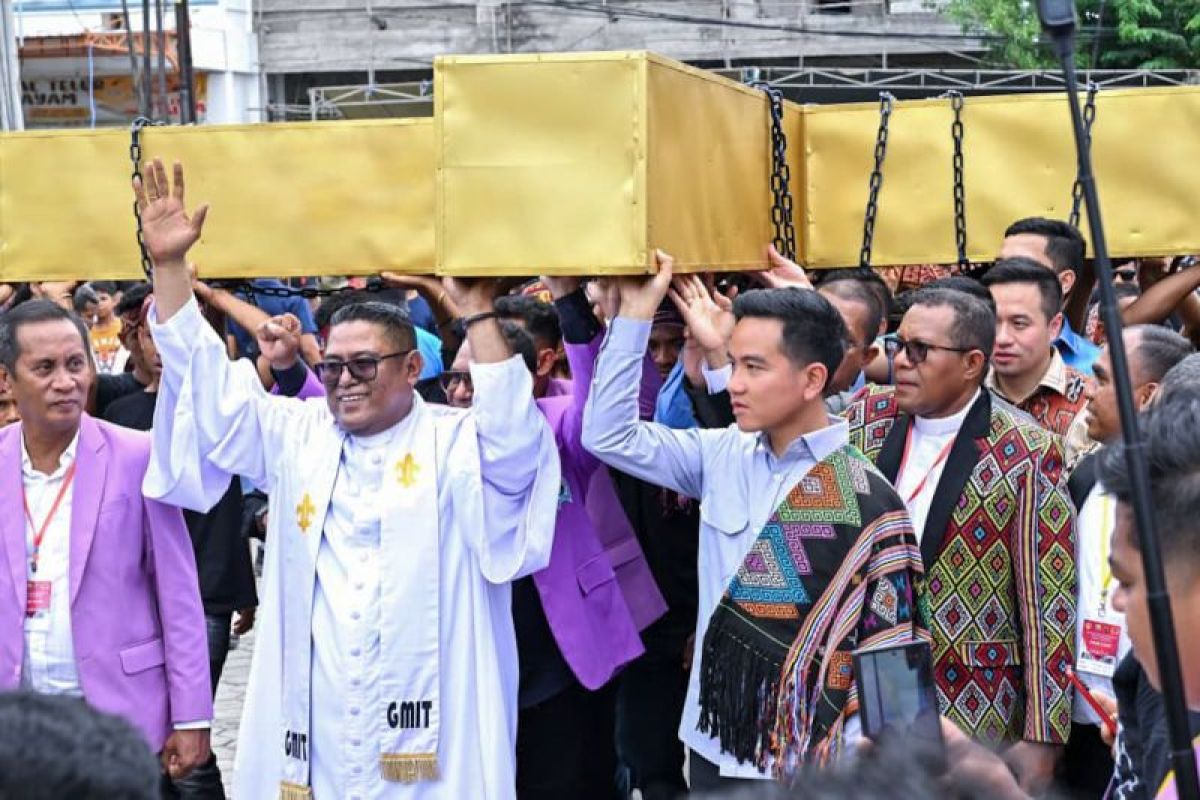
Kupang, NTT - An academic from Undana Kupang, Dr. Roland E. Fanggidae, assesses that the GMIT Youth Easter Parade Festival in Kupang, NTT, is not merely a spiritual procession but also drives local economic growth through the involvement of micro, small, and medium enterprises (MSMEs) and the promotion of spiritual tourism.
“NTT hosts the largest series of Easter activities in Indonesia, from Semana Santa in Larantuka to the Victory Parade in Kupang. This festival could serve as a model for NTT in packaging spiritual activities into spiritual tourism destinations,” said the Dean of the Faculty of Economics and Business at Nusa Cendana University (Undana) in Kupang on Tuesday.
He made this statement in connection with the organisation of the GMIT Youth Easter Parade Festival, held on Monday (6/4) and officially opened by Vice President Gibran Rakabuming Raka.
He expressed agreement with Vice President Gibran’s remarks on that occasion, urging NTT to develop a strong identity in tourism, particularly spiritual tourism agendas.
“Labuan Bajo is already known for its maritime potential, so other regions need to highlight their unique aspects. Therefore, this series of Easter festivals could become spiritual tourism potential,” he said.
He noted that in this year’s organisation, GMIT youth transformed the Easter Parade concept into a festival, featuring not only a procession of vehicles depicting Bible stories but also entertainment elements and involvement of local MSMEs.
“At each stage or specific point, spaces are prepared for MSMEs to sell their goods. This is appealing because the community, as economic actors, can directly feel the festival’s impact,” he stated.
However, he cautioned that the spiritual and theological values must be preserved to prevent the event from being overshadowed by commercialisation.
“When packaged as spiritual tourism, religious messages must still emerge and remain the primary strength,” he said.
Additionally, he encouraged the development of spiritual tourism in NTT to be supported by a fixed event calendar so that the public and tourists can plan their schedules.
“When people come, the economy will start moving, from accommodation and food and drink to creative economy items like souvenirs. These three sectors will have a significant impact when the Easter Festival is promoted as a spiritual tourism destination,” he said.
He also urged local governments to rebrand these spiritual activities through collaboration with religious institutions and the private sector.
To that end, he proposed two ideal models to develop: community-based tourism, where local communities are the main actors, and supply chain integration, which involves linking religious rituals with tourism and enhancing local product production.
“With these two models, it is hoped that in the future, the Easter Parade Festival will maintain its spiritual meaning while also providing tangible economic impacts for local MSMEs,” he stated.