
Academic: Crisis in the Strait of Hormuz Disrupts Economic Stability
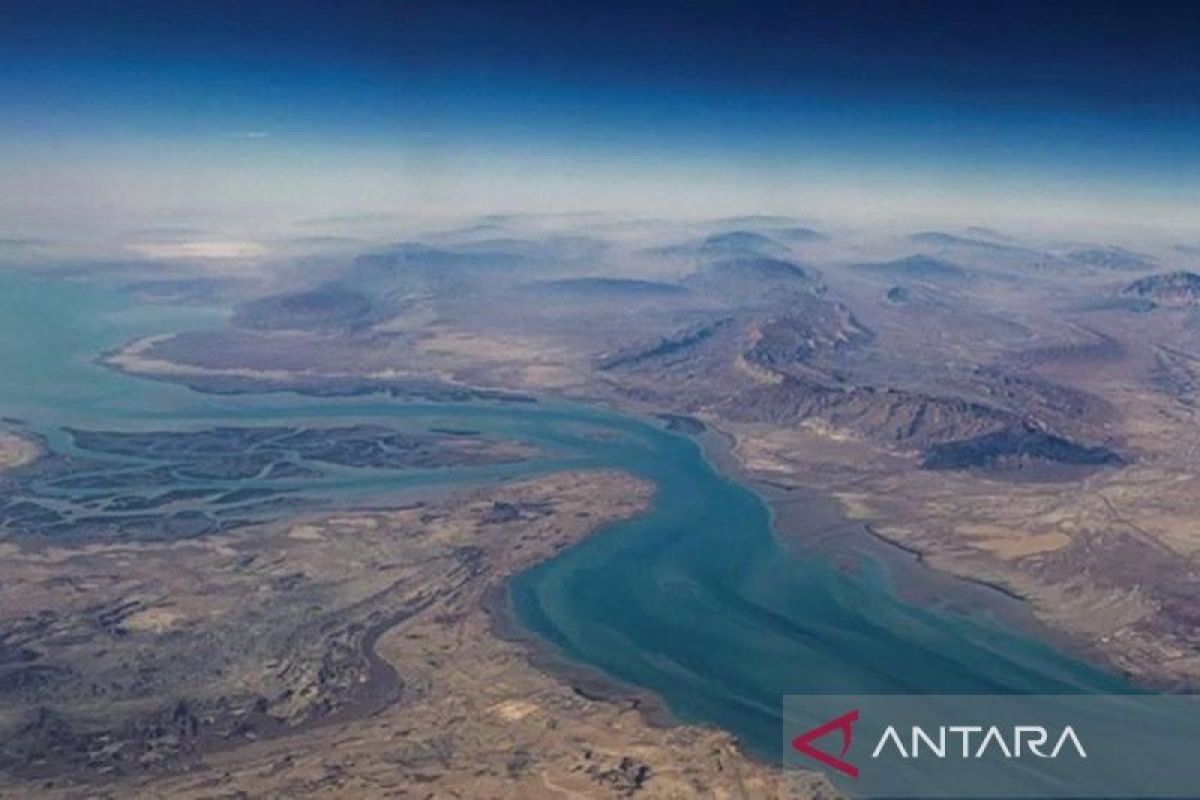
Jakarta - An academic from the International Relations programme at the Faculty of Social and Political Sciences, Universitas Kristen Indonesia (UKI), Darynaufal Mulyaman, assesses that the crisis in the Strait of Hormuz serves as a serious warning for countries in the Indo-Pacific region and disrupts economic stability.
“The crisis in the Strait of Hormuz, triggered by conflict between the United States, Israel, and Iran, serves as a serious warning for countries in the Indo-Pacific region, such as economic stability,” said Darynaufal in Jakarta on Thursday.
Darynaufal noted that the disruption to one of the world’s most important energy trade routes demonstrates the fragility of the global trade system, which has long depended on the stability of sea lanes.
This situation marks a significant shift in global security dynamics, where open sea routes can no longer be considered entirely safe.
During an online academic dissemination session on 23 March 2026, Darynaufal explained that the closure of the Strait of Hormuz has triggered a surge in global energy prices while threatening world economic stability.
He assessed that maritime disruptions are now increasingly exploited as instruments of pressure in modern geopolitics.
“The meeting between Japanese Prime Minister Sanae Takaichi and US President Donald Trump at the White House last week serves as a reminder that amid rising maritime disruptions, strategic partners are those with the capacity and willingness to act,” explained Darynaufal.
He also highlighted the increasing military and coast guard activities by China in the Indo-Pacific region, which are deemed increasingly aggressive in both intensity and territorial scope.
Recurring tensions in the Natuna Sea provide a concrete example of how such threats are drawing closer to Indonesian waters. “Although Indonesia is not the primary target in that conflict, the potential impact remains significant if escalation is allowed without response,” stated Darynaufal.
Therefore, maintaining safe and open sea lanes is a primary condition for the sustainability of the national economy.
“The maritime doctrine cannot be implemented alone. Cooperation is needed with partners who share the same interests,” said Darynaufal.
In the context of strengthening cooperation, Darynaufal views Japan as a relevant strategic partner for Indonesia. The re-election of Sanae Takaichi with a strong mandate opens opportunities to expand collaboration in the field of maritime security.
Moreover, Japan is currently bolstering its defence capabilities, including increased military budgets and modernisation of main weapon systems (alutsista). One form of this is the development of the Mogami-class frigates, designed for multi-role operations with high mobility.
Additionally, Indonesia, along with Japan and India, has conducted trilateral naval exercises in the Andaman Sea.
Such cooperation, he said, can enhance the region’s capacity to respond to security dynamics, including Chinese military activities.
While promoting strengthened cooperation, Darynaufal emphasised that Indonesia remains committed to its free and active foreign policy principles, thus not joining formal military alliances.
He also assessed that the Free and Open Indo-Pacific (FOIP) concept championed by Japan aligns with Indonesia’s interests. FOIP emphasises freedom of navigation, respect for international law, and flexible regional cooperation without formal defence ties.
Through this approach, Indonesia can strengthen collaboration in intelligence, maritime surveillance, and coast guard interoperability, without losing its strategic autonomy.
“Such cooperation is strong enough to counter pressures, yet remains flexible so that Indonesia can maintain its independence in determining policies,” said Darynaufal.
On the other hand, Indonesia has also signed a security agreement with Australia in early February 2026.
That agreement includes commitments for joint consultations if one party faces threats to its sovereignty.
Nevertheless, Darynaufal believes that cooperation with Japan holds greater long-term potential impact, particularly in strengthening Indonesia’s maritime capabilities.
He also stressed that amid rising geopolitical competition in the Indo-Pacific, Indonesia needs to continue deepening selective regional cooperation without sacrificing its core foreign policy principles.
“When the waters of the Indo-Pacific are increasingly contested, safeguarding national interests requires collective efforts. In this regard, engagement with Japan can be a sustainable strategic step,” stated Darynaufal.