
Academic Assesses Free Nutritious Meal Programme as Effective Amid Global Economic Pressures
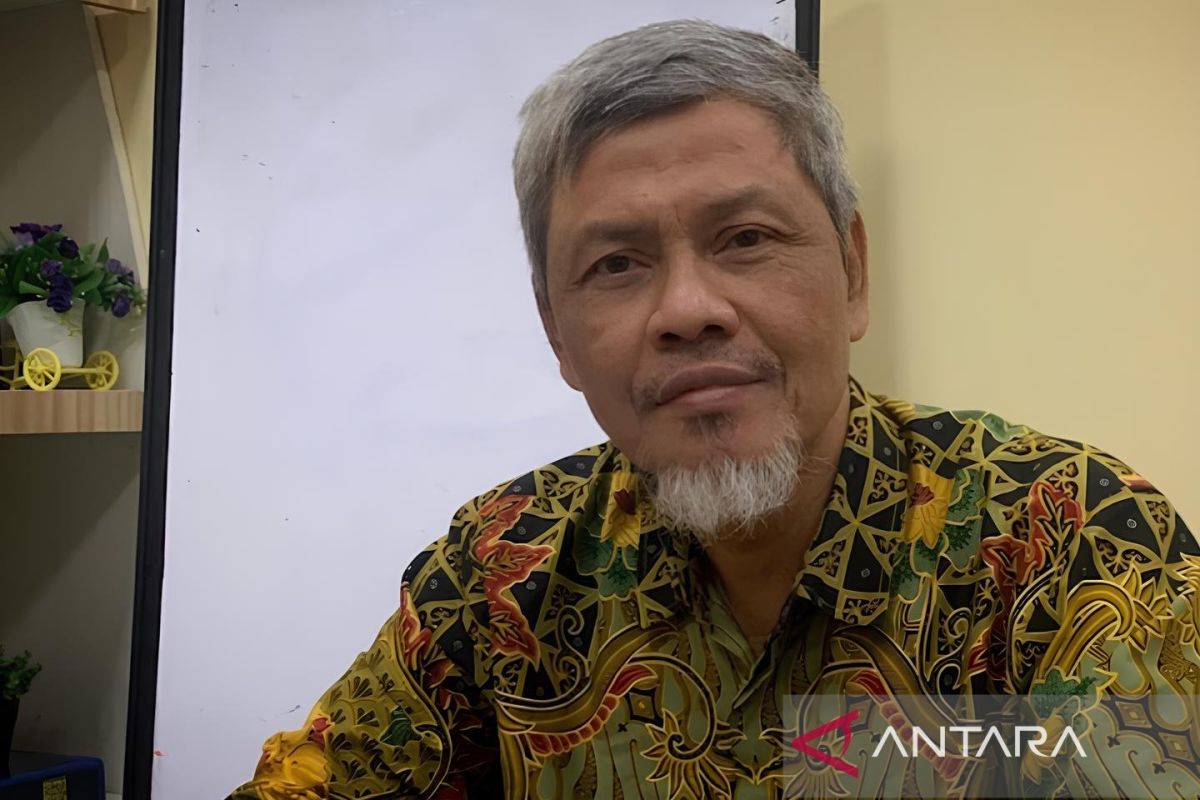
Jakarta (ANTARA) — Prof. Dr. Imamudin Yuliadi, professor of economics at Muhammadiyah University of Yogyakarta, has assessed that the implementation of the free nutritious meal programme (MBG) with transparent governance, strong oversight, and community involvement has the potential to remain effective amid global economic pressures.
“The MBG programme can serve as a strategic instrument not only in improving the quality of nutrition for society, but also in building food security and strengthening regional economic independence,” Imamudin said, as quoted in Jakarta on Thursday.
According to him, in an uncertain situation, an approach that integrates social policy with the strengthening of local economics, such as that found in MBG, is one of the keys to maintaining the sustainability of national development.
Imamudin further highlighted the differing impacts of the MBG programme across regions. This, he said, is heavily influenced by the readiness of local economic infrastructure and community involvement in the programme’s supply chain.
He stated that regions capable of involving farmers, livestock breeders, and local business actors in providing foodstuffs for MBG have the potential to obtain greater economic benefits. The MBG programme, he continued, could become a driver of local economics through increased demand for regional food products.
“Conversely, if the supply chain does not involve local economic actors, the multiplier effect for the regional economy becomes limited,” he said.
Imamudin subsequently highlighted challenges in MBG implementation. These include the potential emergence of rent-seeking practices, where certain parties profit from the programme without adding value for society.
He conveyed that if the programme is exploited by parties seeking only profit without regard for quality and social objectives, then the benefits of the MBG programme for society could be reduced.
Moreover, he added, this could also diminish the economic impact that should be felt by communities in the regions.
For this reason, according to him, transparency and oversight in budget management become important aspects in ensuring the effectiveness of the MBG programme. One step that can be taken is to examine more carefully the proportion of the budget that is truly used for purchasing foodstuffs from the local area.
“The greater the use of local foodstuffs, the greater the economic impact generated for society,” he said.