
A Transportation Revolution That Better Understands Humanity
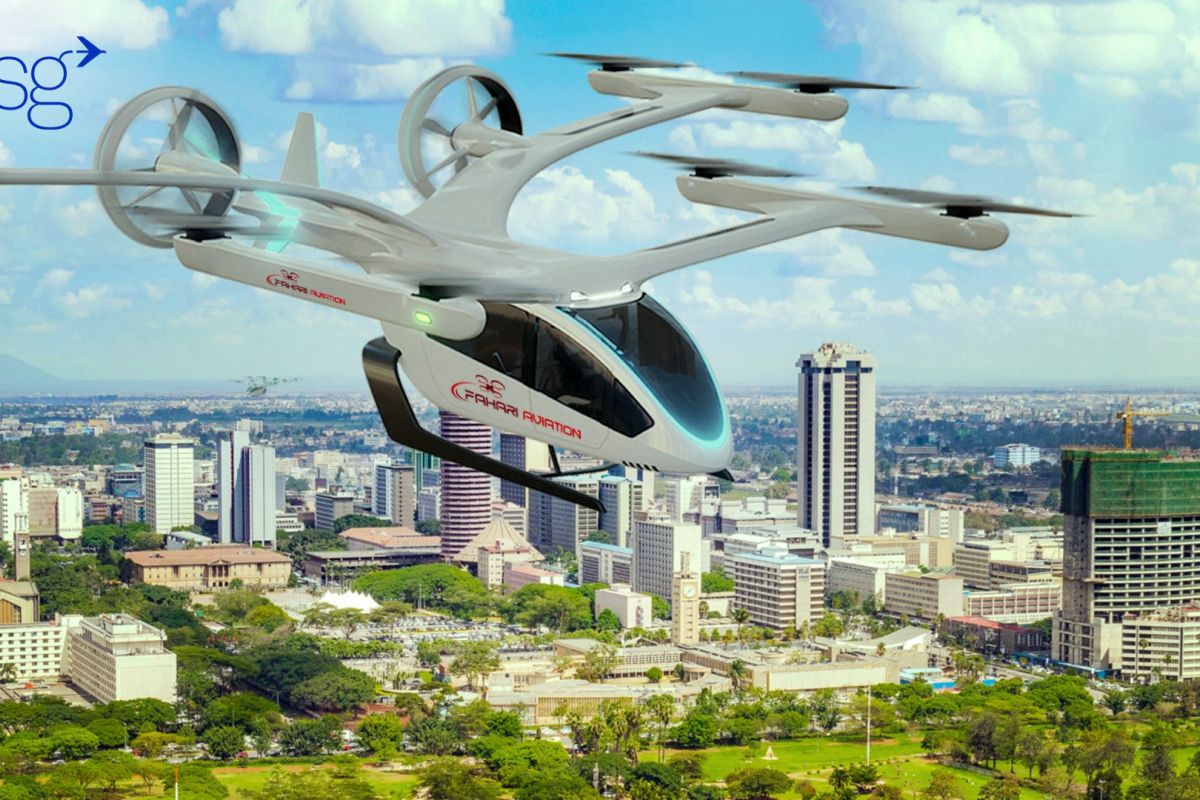
For years, discussions about the future of transportation have often become trapped in the romanticism of technology without addressing the readiness of the ecosystem. Jakarta (ANTARA) - For years, humans have built cities with a simple belief that the more roads are constructed, the smoother life will flow. However, time has slowly shown otherwise. Roads continue to multiply, vehicles keep being produced, but traffic jams grow denser, travel distances lengthen, and human time is increasingly wasted on the journey. Amid this situation, the world is beginning to realise that the future of transportation is no longer just about vehicles moving faster, but about creating a smarter, interconnected mobility system that understands the needs of modern humans living in a fast-paced rhythm. In the midst of this change, it is time for Indonesia to rethink its transportation future more carefully. Other countries around the world are no longer just talking about building new roads, increasing public vehicles, or expanding toll roads. What is becoming the main focus is how to create a smart, integrated, efficient mobility system that comprehensively addresses future urban challenges. Such thinking emerged in a recent Focus Group Discussion on the development of Urban Air Mobility (UAM) in Jakarta. From that forum, it is evident that the direction of global transportation development is now moving towards the integration of technology, data connectivity, system intelligence, and broader mobility efficiency than just land-based vehicles. UAM is increasingly discussed in various countries as part of the major transformation of the global transportation system. UAM essentially refers to the use of short-distance air transportation modes in urban areas to support human and logistics mobility more quickly and efficiently. Its presence is seen as one answer to the increasingly complex urban density problems. Urban Air Mobility. However, what is interesting is that the discussion on Urban Air Mobility is not positioned merely as futuristic technology far from societal reality. Urban Air Mobility should now be viewed as part of building a future mobility ecosystem that must be prepared from now through cross-sector collaboration, strengthening intelligent transportation systems, and supportive regulations adaptive to technological developments. This perspective is important because discussions about future transportation have often been trapped in technological romanticism without discussing ecosystem readiness. Yet, no matter how advanced the technology, it will not function optimally if not integrated with other transportation systems, urban planning, data management, and user behaviour. The concept of intelligent transportation systems should now be seriously addressed. This system does not just talk about the digitalisation of transportation, but how all mobility elements are interconnected through information technology to improve efficiency, safety, timeliness, and real-time traffic management. When intelligent transportation systems are combined with Urban Air Mobility, what is built is no longer just a new mode, but a modern mobility network that is interconnected. For example, urban air transportation cannot stand alone without support for traffic data, digital navigation systems, mobility control centres, integration with land transportation, and adequate safety regulations. Moving forward, it is important to emphasise alignment so that Indonesia has a harmonious direction in building a more modern, integrated, and sustainable transportation system. For instance, it is time for companies focused on the aviation and transportation infrastructure industry to collaborate with stakeholders driving the development and application of intelligent technology in transportation systems, including Intelligent Transport System Indonesia (ITS Indonesia), to compile studies and recommendations for intelligent transportation systems. This idea will become the foundation for a future of transportation that is no longer built partially. The world is moving towards a collaborative approach that brings together industry, technology, regulators, and system developers in a mutually supportive ecosystem. Connectivity Challenges