
A Teenager's Journey: Ahmad Discovers He Has Hoarding Disorder After Years Living with Clutter
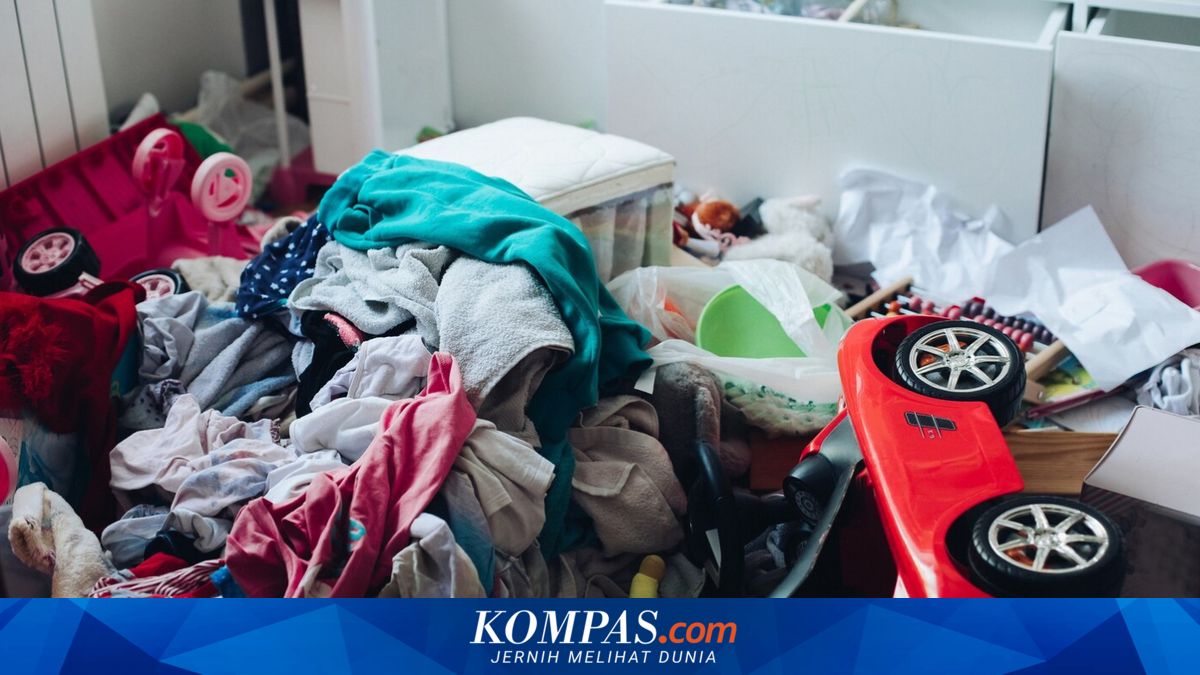
JAKARTA — Hoarding disorder, a mental health condition, frequently results in severely cluttered living spaces. One primary symptom of this disorder is an extreme difficulty for individuals to discard or separate from their possessions, regardless of their actual monetary value or utility.
Many people who experience hoarding disorder do so without realising they are accumulating used items that are no longer functional. This has a ripple effect on family members, who must coexist with unused objects, disorganised spaces, and other associated consequences.
Such conditions often lead to conflict between those with hoarding disorder and their relatives sharing the same home.
Ahmad, a 27-year-old resident of Manggarai in South Jakarta, experienced precisely this situation. He recounted how his home was perpetually cluttered with items that had long since outlived their usefulness and should have been discarded.
“From when I first moved to Manggarai until the Covid-19 period, I grew up from childhood with a messy home, living alongside useless items that were practically garbage,” Ahmad said during an interview in the Manggarai area on Friday, 20 March 2026.
Ahmad attributed the persistent disorder in his home to his deceased parents never teaching their children to tidy their living space from an early age. Throughout his childhood, he and his four siblings received no instruction from their parents about which items should be discarded and which should be kept. Consequently, they developed into individuals lacking experience in sorting belongings and instead accumulated items at home, even after they ceased to be useful.
Ahmad admitted that he had felt troubled by his home’s severely cluttered and dirty condition since childhood. He frequently wondered why his living space differed so markedly from those of his friends, whose homes appeared considerably tidier and cleaner. As a result, Ahmad became an extremely withdrawn individual who never invited friends to his residence. He feared that the dirty, cluttered conditions would provoke negative comments from his peers.
“I was unable to do anything because household members could not sort items either,” he said.