
A new sky above Batujai
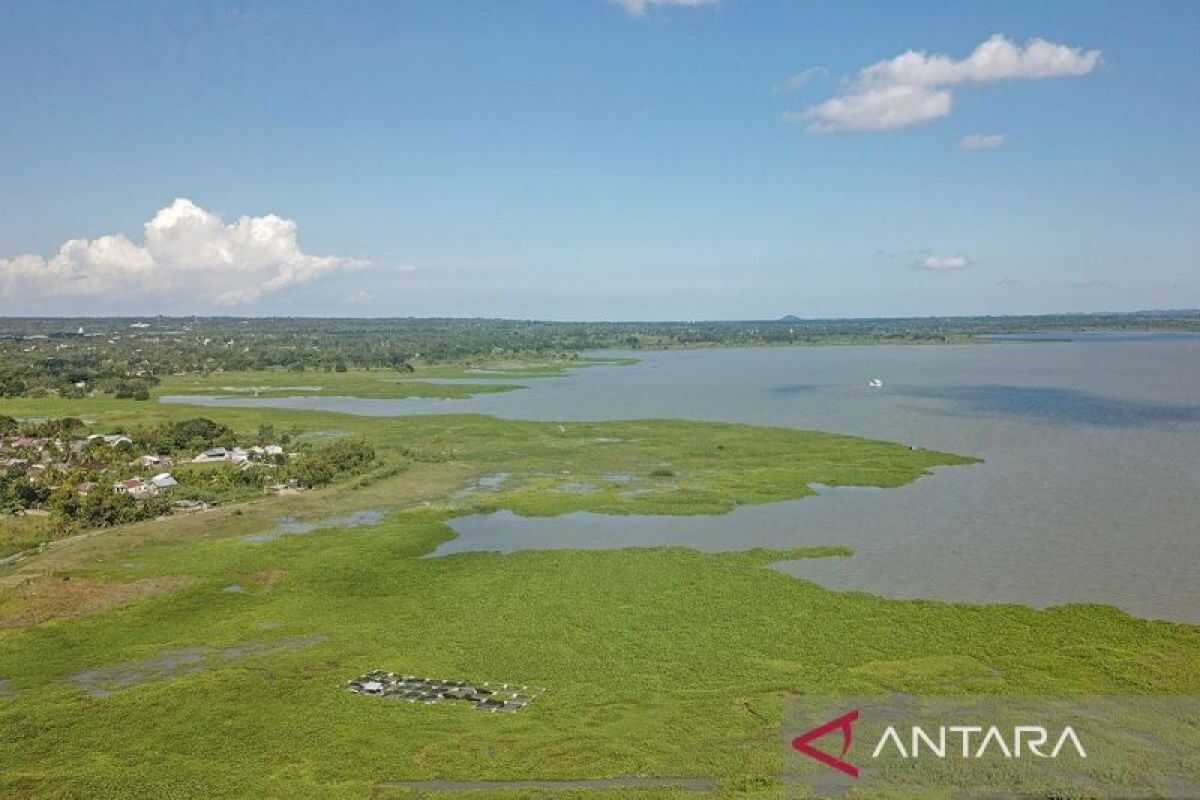
Mataram (ANTARA) - The waters of Batujai Dam were calm that morning. Its surface reflected the blue sky of Praya, surrounded by a green belt designated as urban forest since 2010.
For years, this area in Praya, Central Lombok, Nusa Tenggara Barat (NTB) has been known as an open space where residents exercise, fish, or simply enjoy the sunset.
Now, the wind of development is blowing in a different direction. Batujai is being prepared to become NTB’s first seaplane hub – a central connection point for various amphibious aircraft routes that will function as a waterbase or water airport, with operations targeted to commence in 2026.
This idea is not merely speculation. The Ministry of Transportation has signalled strong support through regulatory ease for amphibious aircraft operations. The regional government has signed cooperation agreements with investors for the construction of hangars and supporting facilities.
Fourteen types of permits are reported to have been obtained. Two aircraft units are being prepared in the initial phase, with a water landing strip of approximately 400 metres. The target is clear: to strengthen inter-island connectivity and support international agendas such as the MotoGP at Mandalika.
On paper, this sounds promising. However, like every major project, it contains both opportunities and challenges that warrant deeper examination.
Quality tourism
NTB is an island province with widely scattered tourism destinations. From Lombok to Sumbawa, from Gili to Saleh Bay, distance and travel time are often obstacles.
This is where seaplanes are projected to play a role. Batujai’s proximity to Lombok International Airport (BIL) provides intermodal advantage.
Tourists landing at the airport can transfer to seaplanes within a short time, then fly low to small islands without undertaking hours of overland travel.
This model has long been practised in the Maldives and parts of Canada. Amphibious aircraft form the backbone of premium destination connectivity. NTB appears to want to capture a similar niche, targeting quality tourists who value speed and exclusivity.
Economically, multiplier effects are evident. Small and medium enterprises around the dam can grow. Transportation services, catering, and aircraft maintenance will absorb labour.
The regional government states that environmental impact analysis has been conducted and deemed safe. The investor has also committed to constructing hangars on approximately 50 acres in the initial phase.
However, the fundamental question is not merely about permits and infrastructure. Is Batujai ready to become a new node in the aerial tourism ecosystem without eroding its social and ecological functions?
Green belt