
A New Form of Aluminium Could Replace Rare Earth Metals
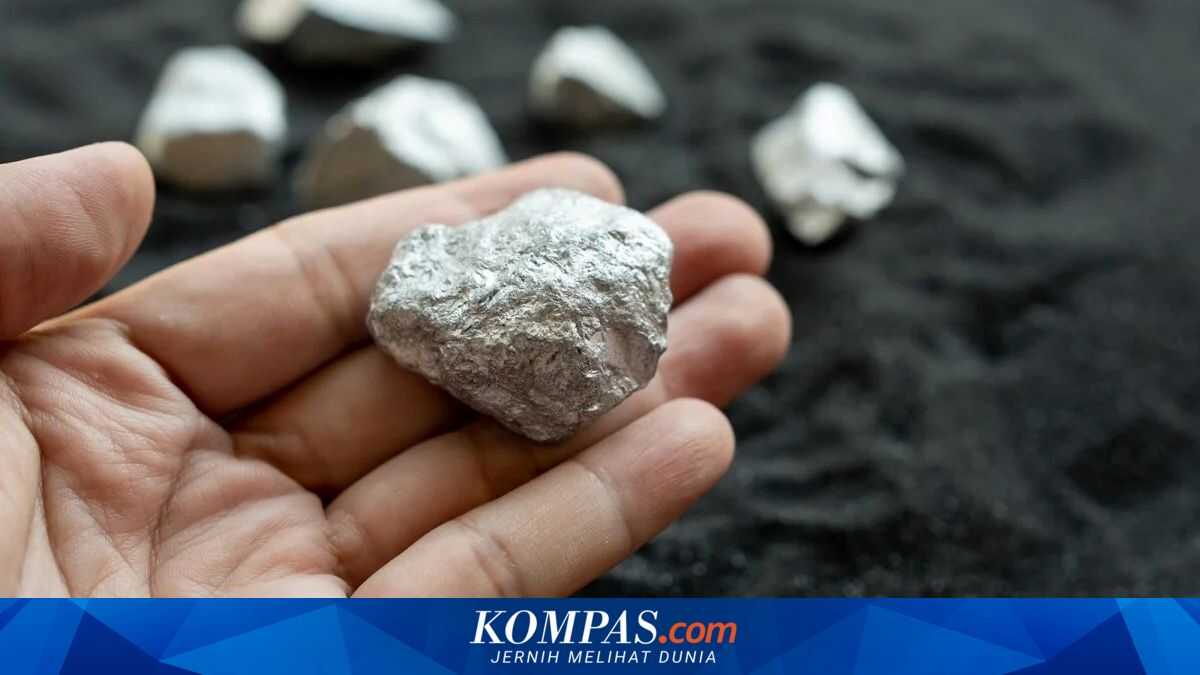
Scientists have discovered a new, unusual form of aluminium with the potential to transform the way the chemical industry works. The discovery opens up the possibility of using aluminium as a replacement for rare earth metals and expensive metals, which have long been important components in a range of modern technologies. The research conducted by a team from King’s College London shows that aluminium — one of the most abundant metals in Earth’s crust — can be engineered into a highly reactive molecule capable of breaking strong chemical bonds. The research results were published in the scientific journal Nature Communications. In addition, the study also identified a molecular structure never observed before, which could open up new types of chemical reactions. One of the main achievements of the research is the discovery of a compound named cyclotrialumane. This compound consists of three aluminium atoms linked together in a triangular arrangement. The three-atom structure has unique properties. It shows very high reactivity, yet remains stable when dissolved in various chemical solvents. This stability makes the compound capable of being involved in a range of important chemical processes. Ethene itself is a hydrocarbon with two carbon atoms that is very important in the chemical industry. This compound becomes a main building block for a wide range of chemicals and plastics. In other words, this aluminium molecule could potentially play a role previously only possible with expensive metals. The problem is that the mining and purification processes of these metals are expensive and carry significant environmental risks. Therefore, scientists have long been seeking cheaper and more abundant metal alternatives. Dr. Bakewell explains: “Transition metals are the ‘workhorse’ of chemical synthesis and catalysis. But many of the most useful metals are now increasingly difficult to access and extract, often located in politically unstable regions, increasing demand and prices.” For these reasons, chemists have begun to look at elements more common on the periodic table.