
90% of Tanker Traffic Halts Crossing the Strait of Hormuz as Small Vessels Brazenly Breach the Blockade
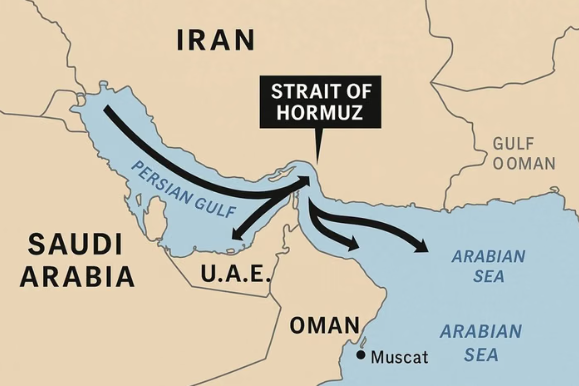
Global energy markets are shadowed by a crisis as tanker traffic through the Strait of Hormuz is reported to have plunged by around 90%. The sharp drop follows the escalation of military confrontation between the United States and Israel against Iran. The Strait of Hormuz is not just a waterway; it is the ‘lifeblood’ of world energy, handling transit for around 20% of global crude oil. The energy market intelligence firm Kpler says that since the attacks began, nearly all oil shipments through this route have ground to a near-total halt. Iranian military had previously claimed to have ‘squeezed’ traffic in the strait as a form of defence, triggering concerns that prices could rise due to supply disruptions. Despite the high risk, Kpler notes that not all ships have stopped; some small tankers are said to be daring to pass through the deadly channel, employing very high-risk tactics. Kpler analyst Matt Wright explained that some vessels deliberately switch off their automatic identification system to avoid detection. ‘Some tankers are still travelling east and west through the strait, with several voyages conducted under AIS blackout,’ Wright said. This ‘dark’ tactic underscores how crucial Hormuz remains for exporters, even as crew and cargo face the risk of air strikes and patrolling military ships. The stoppage of 90% of tanker traffic is expected to trigger a domino effect on global inflation. If the Strait remains closed for an extended period, analysts warn that world oil prices could hit record highs, which would in turn raise logistics costs and prices of essentials worldwide.