
90-Million-Year-Old Fossil Reveals Missing Chapter in the Evolution of Ant-Eating Dinosaurs
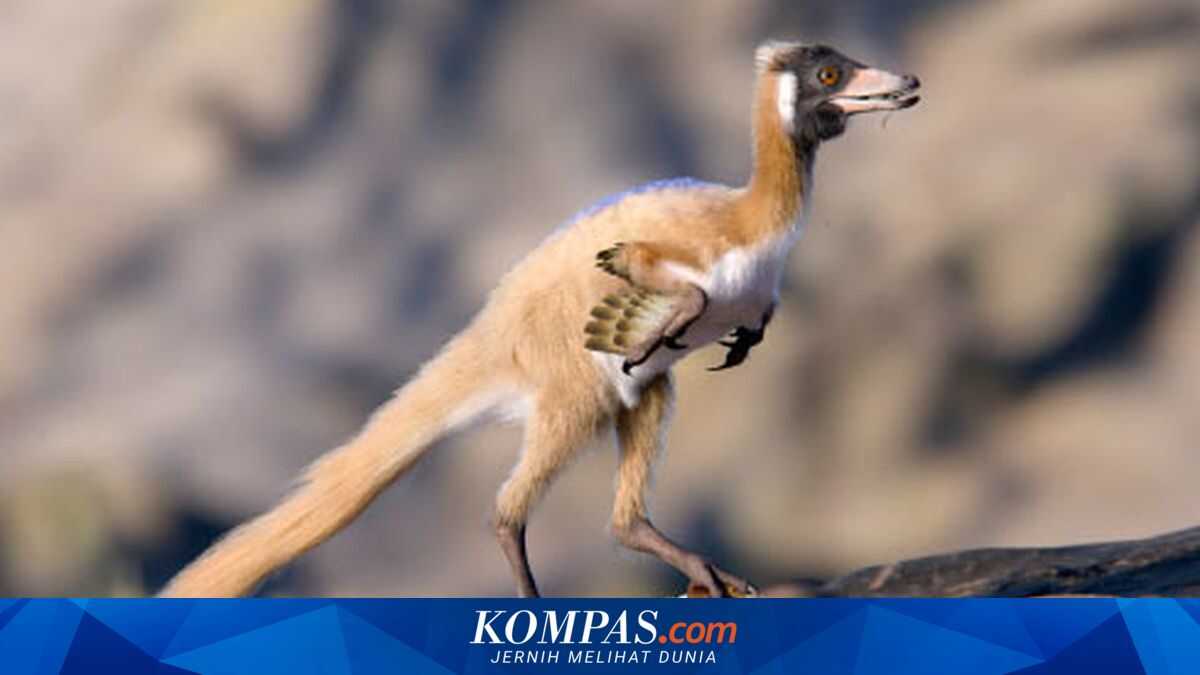
A spectacular discovery from Patagonia, Argentina, has opened an important, long-lost chapter in the history of dinosaur evolution. This fossil, dating back approximately 90 million years, is not just any ordinary set of bones, but a nearly complete skeleton of the species Alnashetri cerropoliciensis—a member of a unique group of dinosaurs called Alvarezsauroidea.
This discovery not only clarifies how this group of small dinosaurs evolved, but also challenges long-held assumptions about their origins and distribution on Earth.
Alnashetri cerropoliciensis lived during the Cenomanian age, part of the Late Cretaceous period, about 90 million years ago, in what is now Argentina.
The species was first described in 2012 based on fragmented fossil remains. However, with the discovery of a much more complete skeleton, scientists can now gain a more complete understanding of its anatomy and evolutionary position.
The Alvarezsauroidea group is known as small, bird-like theropod dinosaurs. They have a very unusual characteristic: small teeth, short arms, and a prominent large thumb claw.
Peter Makovicky, a paleontologist from the University of Minnesota Twin Cities, explains: “Alvarezsauroids are a puzzling group of small theropod dinosaurs, best known from the Jurassic to Cretaceous periods in Asia and South America.”
He adds that Late Cretaceous Alvarezsauroid species have highly specialised forelimbs for digging, very small additional teeth, and enhanced sensory abilities.
“They are interpreted as myrmecophagous, that is, animals that primarily eat ants.”
Scientists also suspect that this group underwent evolutionary miniaturisation—a process of body size reduction—which is closely related to their specialised diet.
Microscopic analysis of its bones shows that this individual was an adult, at least four years old. Its body weight is estimated to be less than 0.9 kilograms—making it one of the smallest dinosaurs ever found in South America.
However, surprisingly, Alnashetri does not fully resemble the more “modern” Alvarezsauroid relatives. It actually has longer arms and larger teeth.
This discovery is very important. It means that some Alvarezsauroids evolved to be very small long before they developed super-strong short arms and tiny teeth—characteristics that have long been considered adaptations for eating ants.
In other words, body miniaturisation occurred earlier, while extreme specialisation for digging and eating ants emerged later in their evolutionary history.