
9 Ways to Treat GERD and Indigestion Without Medication from a Harvard Expert
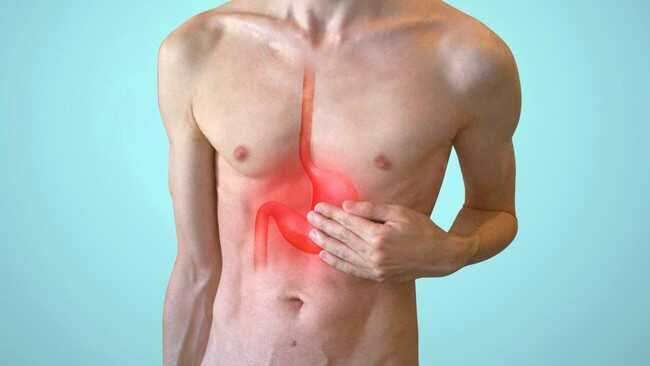
Jakarta, CNBC Indonesia – Indigestion, GERD, and acid reflux are among conditions widely experienced by many people. Common symptoms include pain in the upper abdomen and chest, as well as nausea and bloating.
According to Harvard Health Publishing from Harvard Medical School, although taking medication is the most standard treatment for acid reflux, there are several other approaches you can try to reduce acid reflux.
9 Ways to Treat Acid Reflux Without Medication
Gastroenterologist and Professor of Medicine at Harvard Medical School, Dr. Jacqueline Wolf, recommends nine ways to treat acid reflux without medication, as follows:
- Eat small, slow meals
When the stomach is full, reflux into the esophagus is more likely. To relieve this, eat smaller portions more frequently rather than three large meals a day.
- Avoid certain foods
If you are at risk of acid reflux, you are advised to avoid foods that can trigger it. Trigger foods include mint, fatty foods, spicy foods, tomatoes, onions, garlic, coffee, tea, chocolate, and alcohol.
- Avoid carbonated drinks
Carbonated drinks cause you to belch due to the gas they contain, which can push acid into the esophagus. Therefore, you should drink plain water rather than carbonated beverages.
- Don’t lie down after meals
It is recommended not to lie down for three hours after eating. That means avoiding naps after lunch and not eating dinner late or midnight snacks, as these can trigger lying down and reflux.
- Don’t move too quickly
After meals, avoid heavy exercise. A short walk is fine, but not strenuous activity. In particular, exercises that require you to bend over can push acid into your esophagus, so avoid them.
- Sleep on your side
Ideally, your head should be 6 to 8 inches higher than your feet. This can be achieved with extra-high supports at the head of the bed. Dr. Wolf does not recommend propping up with pillows, as she says that won’t help what you need.
- Maintain a healthy weight
Excess weight can strain the muscles supporting the lower esophageal sphincter, reducing the pressure that keeps the sphincter closed. This can allow acid to rise and cause heartburn. If you are advised to lose weight, that is something you can try.
- Stop smoking
The nicotine in cigarettes can relax the lower esophageal sphincter, as noted above, which can cause digestive problems.
- Check your medications
If you are taking medicines, review certain drugs, including postmenopausal estrogen, tricyclic antidepressants, and NSAIDs that can relax the sphincter. In addition, bisphosphonates like alendronate (Fosamax), ibandronate (Boniva), or risedronate (Actonel), used to increase bone density, can irritate the esophagus.
These are some steps you can take to ease acid reflux without medication. However, if these methods do not work well or you experience more severe symptoms, contact a doctor promptly to receive appropriate treatment.