
87 Per Cent of Retail Business Operators Value AI as Critical to Preventing Business Losses
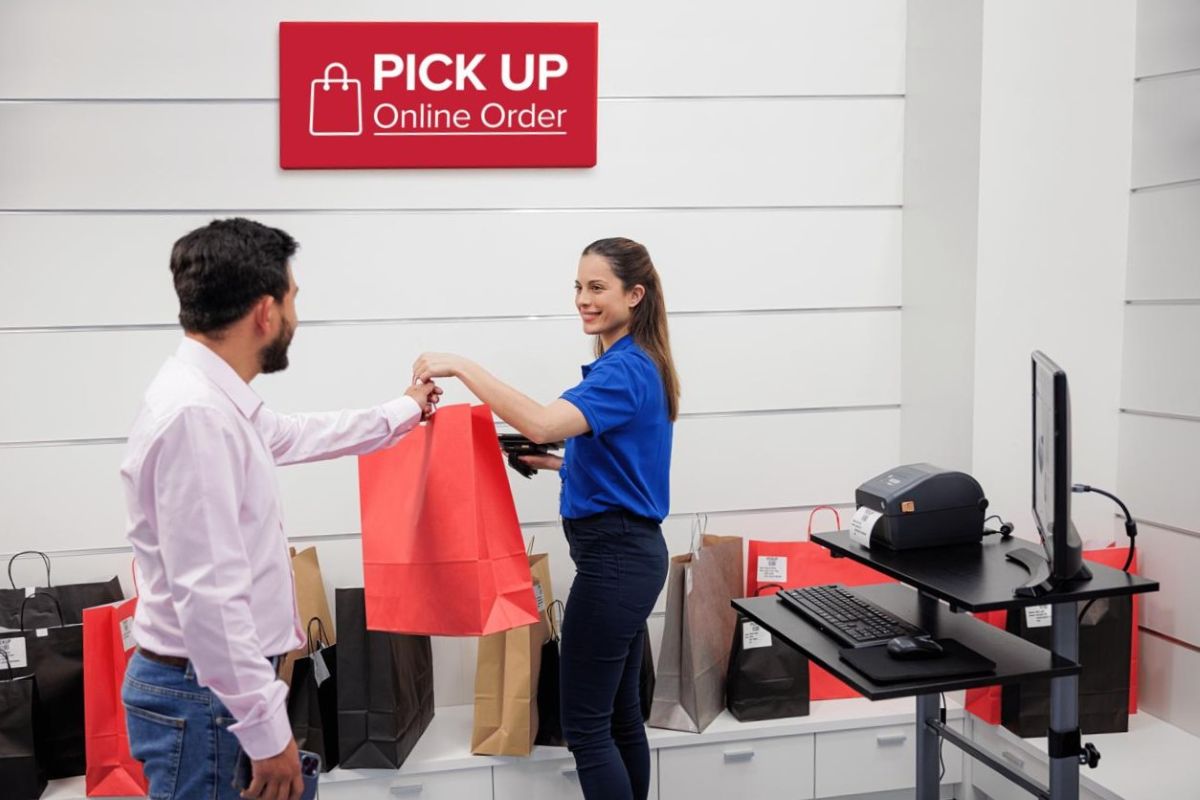
The utilisation of artificial intelligence (AI) and automation technologies is becoming an increasingly important factor in retail business operations. Recent research from Zebra Technologies Corporation demonstrates that 87 per cent of retail industry leaders consider these technologies crucial in preventing losses whilst improving operational efficiency. These findings were presented in the 18th Annual Global Shopper Study, which examines changes in consumer behaviour and the role of technology in enhancing shopping experiences.
Eric Ananda, Country Manager Indonesia for Zebra Technologies, stated that the future of retail businesses will be determined by companies’ ability to integrate physical and digital experiences, or “phygital experience.” According to him, the utilisation of AI, automation, and smarter workflows enables companies to deliver faster, seamless, and personalised shopping experiences to customers.
“Retail businesses that thrive in the future will be led by agile leaders capable of connecting physical and digital experiences through intelligent workflows,” Eric stated.
The research also found that customer satisfaction levels have declined over two consecutive years. Customer satisfaction with in-store shopping experiences was recorded at 79 per cent globally and 75 per cent in the Asia Pacific region. Meanwhile, online shopping satisfaction reached 73 per cent globally and 69 per cent in Asia Pacific. These figures are lower than 2023, which recorded satisfaction levels of up to 85 per cent globally for both in-store and online shopping experiences.
Additionally, inflationary pressures are affecting consumer behaviour. Approximately 78 per cent of global shoppers and 74 per cent of Asia Pacific shoppers now prioritise discounts and promotions when making purchases.
The report also identified several factors triggering customer dissatisfaction in stores, demonstrating the importance of improving operational efficiency at store level.
Technology is also valued for its ability to improve store staff performance. Some 88 per cent of store staff globally reported difficulties in obtaining information or assistance quickly when serving customers. In Asia Pacific, this figure increased from 76 per cent to 85 per cent over the past year. However, more than 87 per cent of global store staff believe that appropriate use of technology can reduce work stress and improve efficiency. Additionally, 90 per cent of global respondents stated that technology helps them complete tasks more quickly.
Inventory management remains a primary challenge for the retail industry. Approximately 52 per cent of global shoppers still leave stores without purchasing all desired items due to empty stock or difficulty finding products. Consequently, 84 per cent of decision-makers in the retail sector identified real-time inventory synchronisation as a primary company priority.
Over the next five years, many retail companies plan to adopt technologies such as computer vision, RFID (Radio Frequency Identification), and generative AI. These technologies are considered capable of improving stock visibility whilst reducing inventory shrinkage.
Additional research conducted by Zebra in collaboration with Oxford Economics, titled “Impact of Intelligent Operations,” demonstrated that retail companies prioritising inventory management can increase revenue growth and profitability by up to 1.8 percentage points.
In the report, automation for real-time stock visibility emerged as one of the key factors driving profitability in physical stores. Additionally, the use of retail media networks and in-store digital advertising is increasingly becoming a strategy to boost sales.
Zebra has recently acquired Elo, a technology company, to strengthen its retail media network solutions for retail enterprises. According to Eric Ananda, retail companies must continue improving connectivity and customer experiences to meet the expectations of modern consumers.
“Shoppers deserve the best experience when shopping at modern stores, from product availability to seamless shopping experiences,” he said.
Through various technology solutions including tablet devices, scanners, and RFID systems, Zebra is working to help retail companies improve customer loyalty whilst remaining competitive amid industry changes.