
80 SPPGs in Solo Raya Dominated by 1–5 Suppliers, BGN Urges Operational Improvements
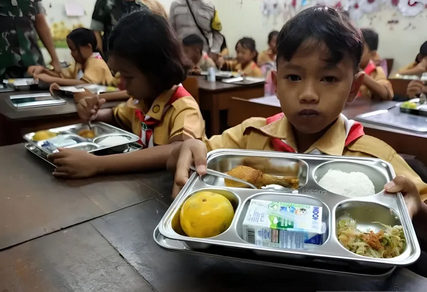
National Nutrition Agency (BGN) is conducting an operational evaluation of the Satuan Pelayanan Pemenuhan Gizi (SPPG) in the Solo Raya region after identifying several managerial and kitchen facility irregularities that could affect the quality of the Program Makan Bergizi Gratis (MBG). The evaluation followed a gathering by BGN Deputy Head Nanik S. Deyang of SPPG heads, Financial Supervisors, and Nutrition Supervisors from the cities of Solo and the districts of Sragen, Karanganyar, and Boyolali, with all participants instructed to submit real‑time field reports on SPPG operations. Based on reports from the Central Java Regional Head and Regional Coordinator, BGN found issues requiring prompt remediation. A major finding was the limited number of food suppliers for SPPGs. Around 80 SPPGs in Solo Raya were recorded as dependent on 1 to 5 suppliers, creating potential dependence on certain partners, hence the emphasis on more open and competitive supplier management. In addition, some SPPG kitchens lacked adequate supporting facilities, such as staff housing, complete kitchen equipment, and kitchens not fully aligned with the stipulated technical guidelines (juknis). “The MBG programme is a national strategic programme, so all SPPGs must operate in accordance with the standards set. Managerial aspects, hygiene, and the adequacy of kitchen facilities must not be neglected,” said Nanik in Jakarta on Sunday, 8 March. BGN asked all identified SPPG operators with deficiencies to undertake comprehensive improvements, including supplier governance, kitchen facility provisions, and alignment of construction with technical standards. “We are giving a maximum of one month for SPPGs that do not meet the standards to carry out improvements. If there is no improvement, BGN will take further evaluation steps in line with applicable regulations,” Nanik said. Nanik stressed that this evaluation is part of ensuring MBG operates to high standards, transparently, and with maximum public benefit. “We want all SPPGs to work professionally and comply with the juknis so that the quality of nutrition service delivery remains safeguarded for the public,” she concluded. Coordinating Minister Airlangga Hartarto responded to Fitch Ratings regarding the fiscal risks of the Free Nutritious Meals Programme, noting that human resources investment yields sevenfold economic benefits. BGN Head Dadan Hindayana hopes beneficiaries and workers involved in MBG will be protected under BPJS Kesehatan. Secretary to the Cabinet, Teddy Indra Wijaya, rejected the narrative linking MBG to budget cuts and warned against tying MBG to education programs. The Ministry of Social Affairs (Kemensos) together with BGN is finalising the MBG implementation scheme for elderly and disabled beneficiaries. BGN reiterates that the MBG food budget is Rp8–10 thousand per portion, with the remaining funds allocated to operations and SPPG facilities.