
8 Tyrannical Rulers — Evil Figures Described in the Qur'an
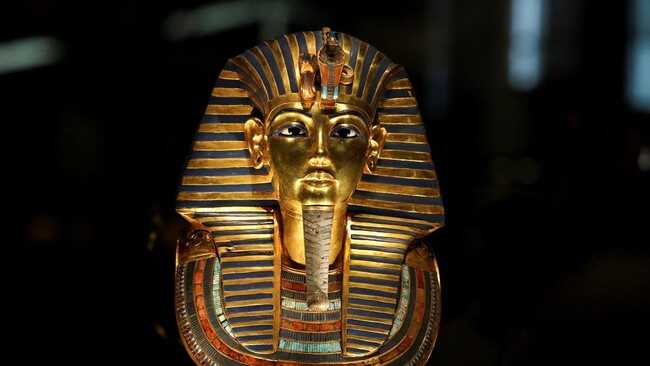
Jakarta. CNBC Indonesia - The Qur’an not only contains teachings on worship and law, but also contains various stories of figures that offer lessons for humankind. Among these narratives, there are several figures depicted as antagonists because they opposed the truth, rejected the prophets’ message, and even oppressed their people. Here are the antagonistic figures mentioned in the Qur’an.
- Abu Lahab
Abu Lahab is the uncle of Prophet Muhammad (peace be upon him) and was known as one of the early opponents of Islam in Mecca. He openly rejected the teachings brought by the Prophet and often provoked the Quraysh to oppose him. Together with his wife, Abu Lahab is said to have frequently harassed and spread hatred against the Prophet. The story of Abu Lahab is even specifically recorded in Surah Al-Lahab.
Verse translation (QS Al-Lahab 1-5): ‘Perish the two hands of Abu Lahab and perish he. His wealth will not avail him, nor what he has earned. He will enter a burning Fire, and his wife, the carrier of firewood. Around her neck will be a rope of twisted fibre.’
- Fir'aun (Pharaoh)
Pharaoh is known as the ruler of Egypt during the time of Prophet Moses (peace be upon him) and is depicted in the Qur’an as a symbol of oppressive and arrogant power. He rejected Moses’ message and even claimed to be a god for his people. His story is one of the most frequently cited in the Qur’an as a lesson about the consequences of arrogance and rejection of truth.
Translation (QS Al-Qashash 38): ‘Pharaoh said, “O my ministers, I do not know of any god for you other than me. O Haman, set out for me bricks, then construct for me a high tower, so I may ascend to behold the God of Moses! Indeed I think he is a liar.”’ (Also referenced in QS An-Nazi’at 24, where Pharaoh proclaims, ‘I am the most high god.’)
- Qarun
Qarun was a man from the people of Moses famed for his enormous wealth. In the Qur’an, he is portrayed as arrogant and convinced that his wealth was earned solely through his own cleverness. When reminded to show gratitude and to use his wealth for good, Qarun persisted in his pride. His end came tragically when Allah sank him and his wealth into the earth.
Translation (QS Al-Qashash 76): ‘Indeed Qarun belonged to the people of Moses, but he transgressed against them. We gave him treasures whose keys would be a heavy burden for a strong group. When his people said to him, “Do not exult. Indeed Allah does not love the exultant.”’
- Haman
Haman is one of the figures named in the Qur’an as a close aide or adviser to Pharaoh. He supported Pharaoh’s rule and joined in opposing Moses. In some verses, Pharaoh even orders Haman to build a towering structure as a sign of arrogance against the teachings of Moses.
Translation (QS Al-Qashash 6): ‘We established them in the land and showed Pharaoh, Haman, and their soldiers what they feared from them.’
- Qabil
Qabil is known from the story of Adam’s son as the first murderer in human history. He killed his brother Abel out of envy after Abel’s sacrifice was accepted by God while his own was not.
Translation (QS Al-Ma’idah 27): ‘Recite to them the story of the two sons of Adam with truth. When they offered a sacrifice, it was accepted from one of them and not accepted from the other. The one said, “I will surely kill you.” The other replied, “Indeed, God accepts only from the righteous.”’
- Namrud
Namrud is known in prophetic narratives as the king who opposed Prophet Ibrahim (peace be upon him). He is portrayed as an exceedingly arrogant ruler who even claimed power over life and death. In his dialogue with Ibrahim, Namrud attempted to refute the doctrine of monotheism.
Arabic snippet: ‘Have you not seen the one who…’