
8 Reasons Not to Replace Your Phone Every Year: Save Money and Be Environmentally Friendly
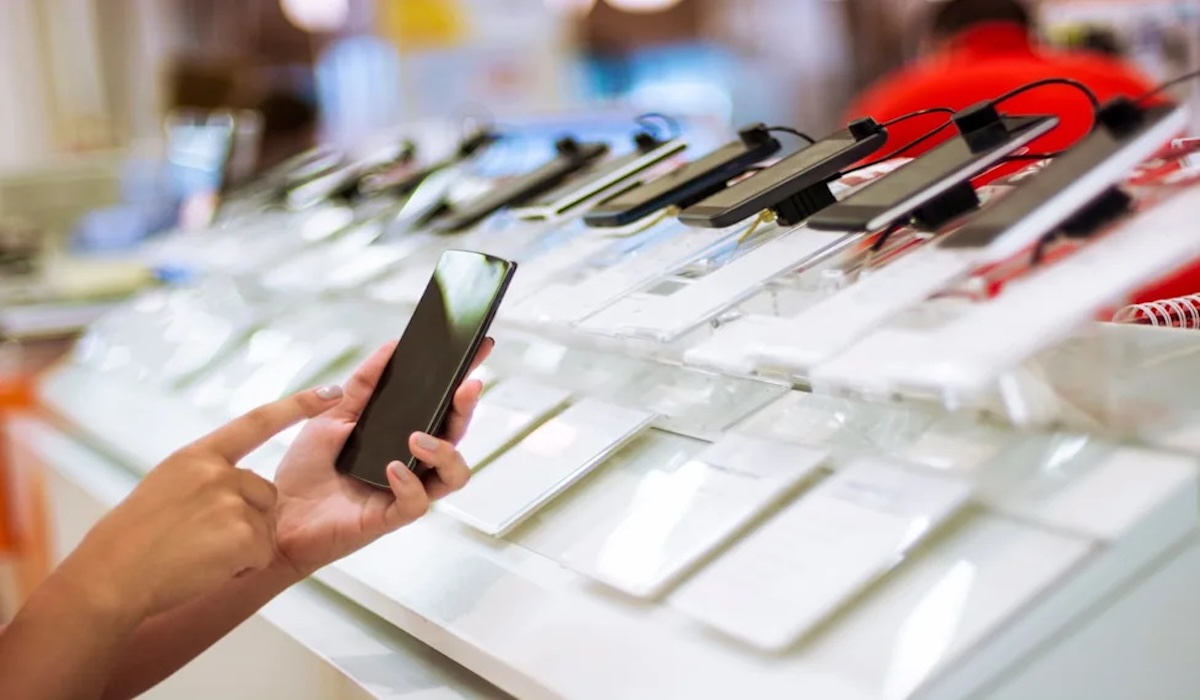
Each year, technology giants race to release the latest devices with promises of revolutionary innovation. Yet, is a small upgrade in camera or screen brightness worth the sky-high price?
Trends show that annual upgrade cycles are now driven more by marketing strategy than functional need.
Modern smartphones are designed with far better durability than a decade ago. If your device is still performing optimally, replacing it every 12 months may not be a financially wise decision.
Here are eight strong reasons why you should stop buying a new phone every year.
Flagship phones now routinely command prices above Rp15,000,000 to Rp20,000,000. That does not include accessories such as cases, screen protectors, or additional insurance. Allocating that amount each year for only a minimal upgrade can hinder your savings or emergency funds.
We have reached a point of diminishing returns in smartphone technology. The difference between one generation and the next is often just a slightly faster chipset or AI features rarely used in daily activities. For the average user, the experience of using social media apps or navigation will not feel significantly different.
Good news for consumers, manufacturers like Samsung and Google now promise security updates and operating system support for up to seven years for certain models. Apple is also known for providing long-term support for older iPhones. This means the phone you buy today will remain relevant and secure into the 2030s.
Many tech-savvy users report that devices aged 3-4 years can still run the latest apps smoothly without meaningful issues.
Battery performance degradation is often the main reason people buy new phones. In fact, replacing the battery at an authorised service centre is far more economical than purchasing a new unit. With a cost of a few hundred thousand rupiah, your old phone can regain battery life like new.
Phone production requires mining of rare materials such as lithium and cobalt, which have a large environmental impact. By extending the lifespan of your phone by one or two years, you directly help reduce global electronic waste that is difficult to recycle.
Marketing strategy is designed to create a feeling of being ‘left behind’ or FOMO. Slick ads and influencer reviews often exaggerate features that do not fundamentally change how we communicate or work.
Rather than chasing the latest model, buying last year’s flagship or an official refurbished version offers much higher value. You get premium technology at a significant discount.
If you replace your phone every year, the technological difference will feel bland. But if you wait 3 to 4 years, the leaps in camera technology, charging speed, and display quality will feel drastic and make your investment far more satisfying.
In conclusion, smartphones today are durable devices. Unless your device is totally broken or no longer receives security updates, keeping an old phone is financially prudent and environmentally ethical. (Cheapism/Z-10)