
8.2 Million People Predicted to Return to Yogyakarta for Eid Holiday This Year
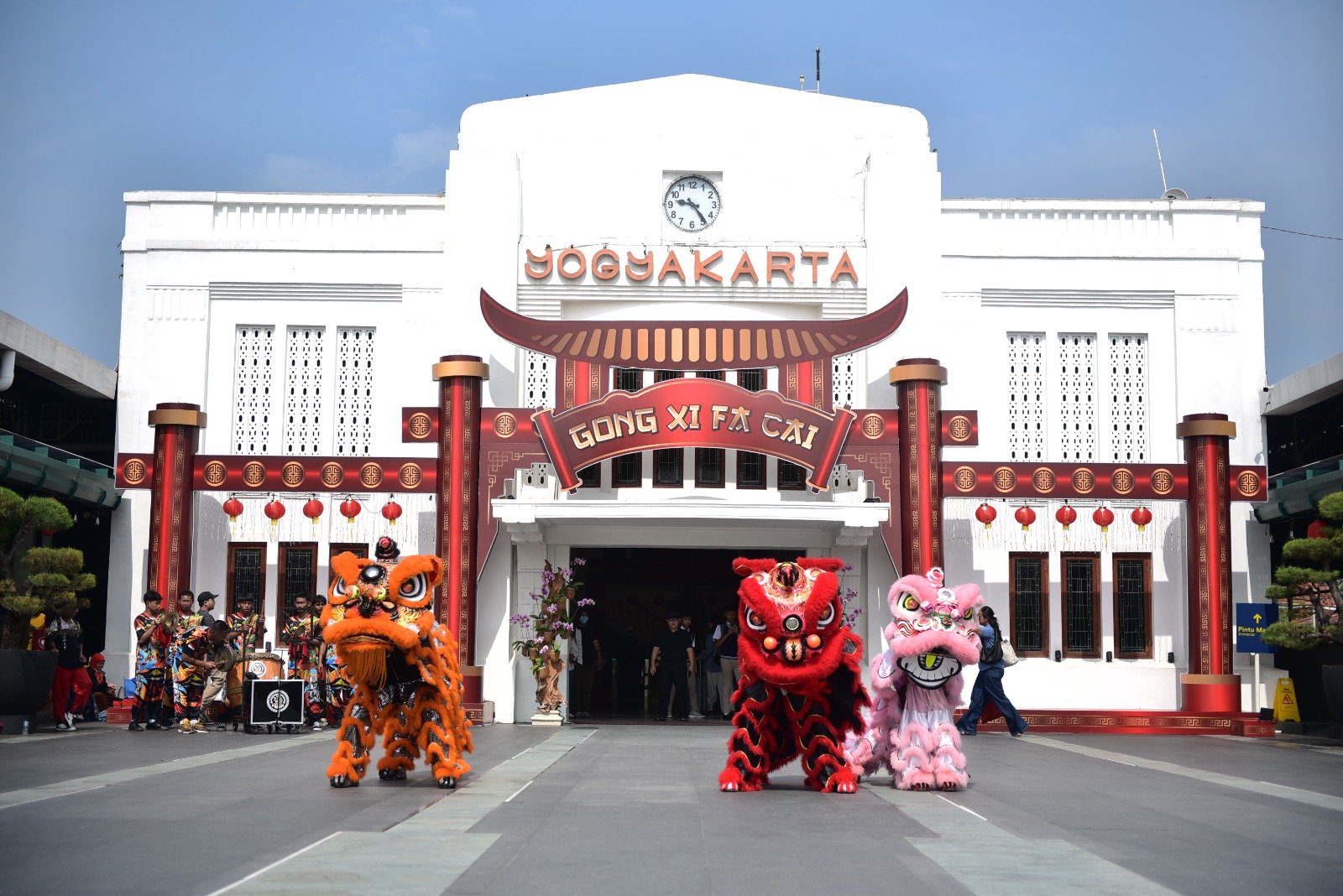
Based on a survey conducted by the Ministry of Transport, the number of holidaymakers travelling to Yogyakarta Special Region (DIY) during the Eid holiday this year is estimated to reach approximately 8.2 million people. This figure was derived from various indicators, including estimates of private vehicle usage, the number of train passengers at Tugu and Lempuyangan stations, and monitoring of vehicles entering major toll routes such as the Kalikangkung Toll Gate.
“This data will be used to predict congestion. Since the largest source of tourists is from Jakarta, we predict a reasonable travel time for driving from Jakarta to Yogyakarta,” explained Yogyakarta Regional Police Chief Brigadier General Anggoro Sukartono following a Regional Coordination Meeting (Forkopimda) held at the Kepatihan Complex in Yogyakarta on Tuesday, 10 March.
The majority of holidaymakers are estimated to come from the Jakarta region and surrounding areas. With an estimated land travel time of approximately six hours, vehicle density is expected to increase in the days leading up to Eid.
Meanwhile, the peak period for holiday travellers’ arrivals is predicted to occur between five and three days before Eid. Authorities have made thorough preparations to provide comfort and ensure smooth traffic flow during the return journey. The central government has anticipated such conditions through policies including extended holidays and the implementation of the Work From Anywhere (WFA) scheme for several sectors.
In addition to traffic engineering, police have emphasised the importance of disseminating information to the public regarding traffic conditions in the Yogyakarta region.
“There is one important measure being implemented by the DIY Regional Government, namely information dissemination to the public. This is crucial. Everyone who arrives must be aware of traffic conditions in Yogyakarta. This effort is designed to prevent tourists’ lack of knowledge meeting with dangerous points in Yogyakarta,” Anggoro explained.
Coordination with various digital navigation platforms such as Google Maps and Waze has also been conducted. This ensures that route information displayed corresponds with actual traffic regulations on the ground. This measure is expected to prevent vehicles being diverted to smaller roads that lack official supervision and could potentially create new congestion points.
“As conditions develop, the situation in the field can change daily. If a route that could cause problems is suddenly redirected by the Google Maps system, this is what we must prevent. We direct the public to remain on the main lanes and routes that are properly monitored by officers,” he explained.
He emphasised the importance of providing clear information to the public regarding estimates of queue times on a given route, whether approximately one hour, 15 minutes, or 10 minutes. This way, road users can understand actual traffic conditions when passing through such routes.