
79% of Subsidised Fuel Enjoyed by Capable Groups, Said Abdullah Urges Energy Subsidy Reform
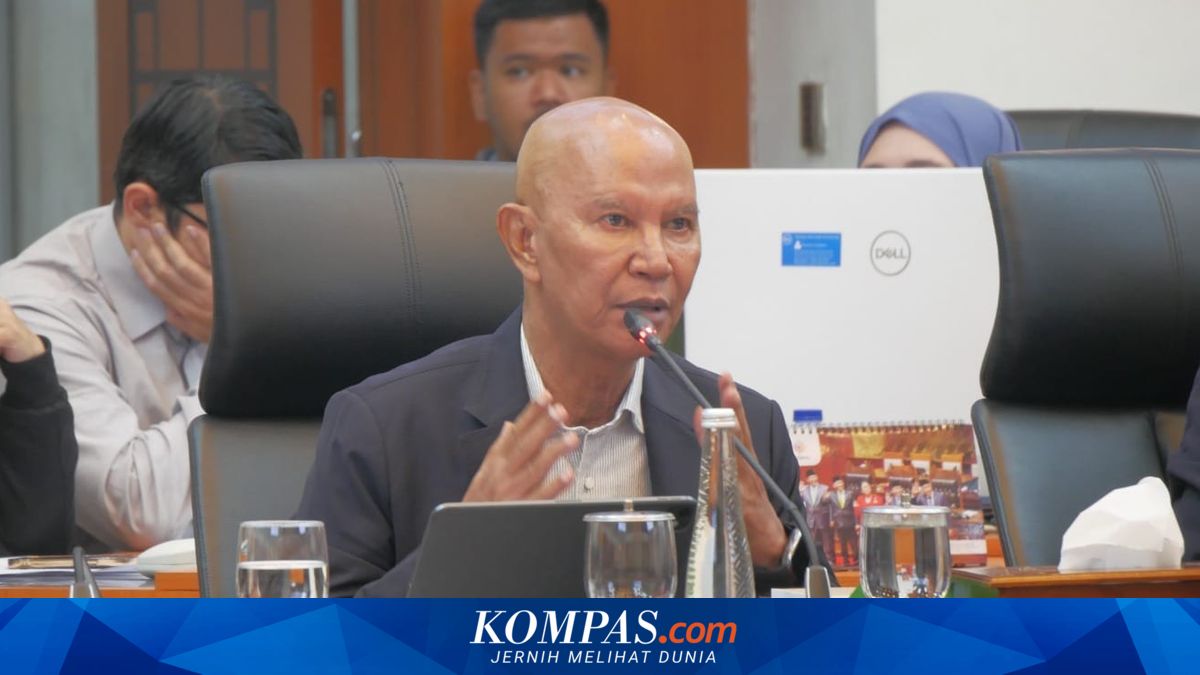
Chairman of the DPR RI Budget Agency, Said Abdullah, has criticised the government regarding Indonesia’s fiscal resilience amid global oil price fluctuations and the rupiah exchange rate in the 2026 fiscal year. Said urged the government to immediately carry out a total reform of energy subsidy policies, which he assessed as still highly misdirected. Based on the 2022 National Socio-Economic Survey (Susenas) issued by the Central Statistics Agency (BPS), there is a stark distribution imbalance, with affluent household groups becoming the main beneficiaries of subsidies that should be intended for the poor. This is evident in diesel and liquefied petroleum gas (LPG) subsidies, which have long been misdirected. For example, the implementation of diesel and LPG subsidies in 2022 was intended for poor households. However, the realisation of the subsidies was enjoyed by affluent households. “In fact, the beneficiaries of diesel subsidies, if we cumulatively add deciles 6-10, amount to 72 percent; the higher the decile, the higher the percentage of subsidy beneficiaries and the greater their diesel consumption. In fact, those in deciles 5 and below only enjoy 28 percent of diesel subsidies,” he stated in a written explanation received by Kompas.com on Tuesday (7/4/2026). Said also assessed that the realisation of Pertalite subsidies is biased towards the affluent group. This is because those enjoying Pertalite subsidies from deciles 6-10 reach 79 percent. Meanwhile, household groups only account for 21 percent. “This happens because those in the upper deciles have more modes of transportation and consume more diesel and Pertalite, whereas the poor generally do not have transportation means,” he said. In addition, Said noted, with a small number of means, the most commonly used is motorcycles, so their consumption and mobility are low or limited. The misdirection of LPG subsidies is due to the 3-kilogram (kg) LPG, which is the subsidised item, being traded freely. “Everyone, including those in the upper deciles, can still buy it. Whereas their consumption needs are greater compared to the lowest decile,” he stated. In contrast to the realisation of diesel, Pertalite, and LPG subsidies, the realisation of electricity subsidies is running better. This is because the targeted party is only households with a capacity of 900 VA and below, so households in deciles 1-5 enjoy 60 percent of electricity subsidies. Nevertheless, there is still a bias towards affluent households of 40 percent that needs to be corrected. “They still use that capacity so they still enjoy electricity subsidies. Moreover, there are many cases of electricity theft that are still rampant in many areas,” he said. Reflecting on the problem of misdirected subsidies, Said encouraged the government to immediately change energy subsidy policies. “LPG subsidies should be directed to 40 percent of the population with low incomes, or deciles 6 and below,” he stated. The politician from the Indonesian Democratic Party of Struggle (PDI-P) assessed that the subsidies should be directed to those who are micro-business actors, small fishermen, and agricultural labourers or small farmers.