
751 Private Schools in West Java Ready to Accept Students Not Admitted to State Schools
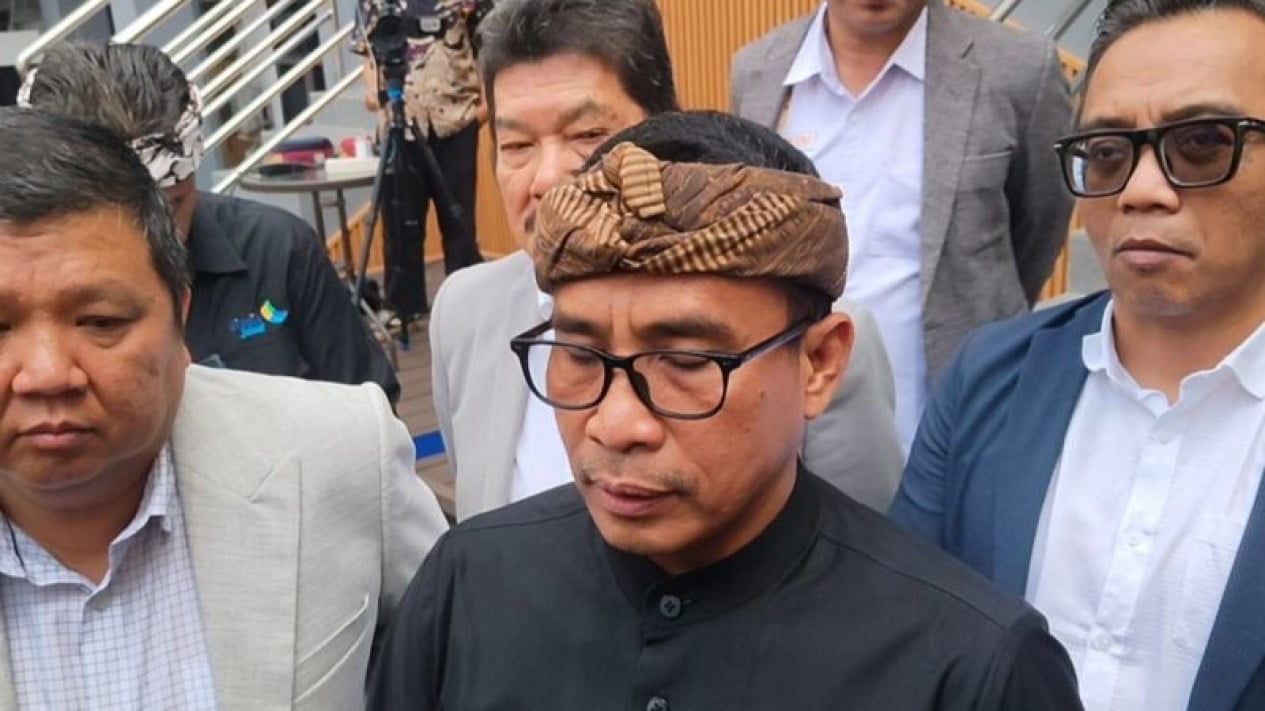
Bandung – The West Java Education Office is collaborating with around 751 private schools across the province to guarantee educational access for students not accommodated in state schools under the 2026 New Student Admission System (SPMB). This was confirmed through the signing of a joint commitment between the West Java Provincial Government and private schools for educational accessibility at SMKN 1 Bandung on Monday. “This is one form of intervention by the West Java Provincial Government after conducting the Prospective New Student Mapping (PCMB). From that mapping, we know there are children who cannot be accommodated according to the map. We want to continue providing the best service; the Governor wants all children in West Java to be able to access education,” said West Java Education Office Head Purwanto. He acknowledged that the provincial government faces limitations within the PCMB system, and one form of intervention is establishing cooperation with hundreds of private schools. “There are 751 registered private schools. They will accommodate around 78,000 students who are not placed in state schools, based on the mapping,” Purwanto stated. Under this cooperation, the West Java Provincial Government will initially cover the Education Donation Fund (DSP) and monthly tuition fees (SPP) for students who must attend private schools. Purwanto detailed that each student is planned to receive assistance of Rp100,000 per month for SPP and DSP assistance of Rp1.5 million. “The total per year is Rp2.7 million. We will adjust it to our fiscal capacity, but yesterday’s discussion suggested the rate is roughly that amount,” he said. Unlike previous plans to make private school fees free on a limited basis for underprivileged residents, the current policy will assist all residents not absorbed into the state system, although it may not cover the entire cost. “So it is for everyone registered in the PCMB. Because they intended to attend state schools but were not accommodated, the government provides compensation,” Purwanto remarked.