
7 Signs of High Blood Pressure That Are Often Ignored & How to Address Them
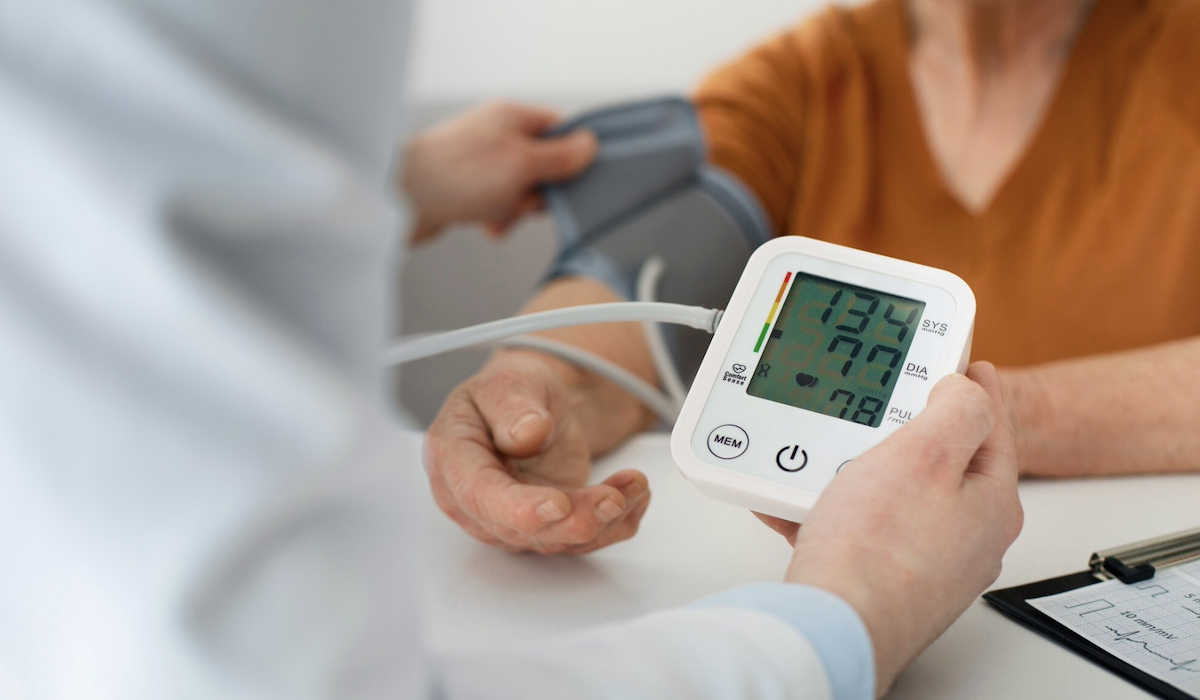
High blood pressure, or hypertension, is often dubbed the ‘Silent Killer.’ This is because sufferers often don’t experience any symptoms until serious organ damage occurs.
In 2026, with fast-paced lifestyles and high stress levels, awareness of subtle signs is key to safety.
Hypertension works slowly, damaging blood vessels throughout the body. Without regular check-ups, consistently rising blood pressure can lead to fatal complications such as stroke, heart attack, and kidney failure.
Many people feel fine, even though their blood pressure is already in the danger zone.
Many people dismiss headaches as a common occurrence due to lack of sleep. However, a heavy headache in the back of the neck or nape, especially upon waking, can be an indicator that blood pressure is rising.
If you feel very tired even after getting enough rest, or often experience ‘brain fog’ (difficulty concentrating), this could be a sign that your heart is working too hard due to high blood pressure.
High blood pressure can damage small blood vessels in the eyes. If your vision suddenly becomes blurred or you see spots, have your blood pressure checked immediately.
This is a sign that hypertension is starting to affect the function of the heart and lungs. Never ignore shortness of breath that occurs during light activity.
A sensation of a racing heart or feeling like you’re missing a beat can be a signal of excessive pressure on your cardiovascular system.
Although it can be caused by ENT problems, constant ringing in the ears is often associated with poor blood flow due to high blood pressure.
Although rare in the early stages, sudden and difficult-to-stop nosebleeds can be a sign of a hypertensive crisis that requires immediate medical attention.
What is normal blood pressure for adults?
Normally, blood pressure is around 120/80 mmHg. If it consistently reaches 140/90 mmHg or higher, you are in the hypertension category.
Can high blood pressure be completely cured?
Hypertension is a chronic condition that is usually managed. With lifestyle changes and medication, blood pressure can be stabilized.
Recognizing the signs above is the first step in protecting yourself. However, the only sure way to know your condition is to have regular blood pressure checks.
Don’t wait for severe symptoms to appear, because prevention is always better than cure. (Z-10)
The Deputy Minister of Health, Dante Saksono Harbuwono, said that the results of the Free Health Check (CKG) program cannot be seen instantly. It takes time.
High blood pressure is a condition where blood pressure exceeds normal levels and carries the risk of causing serious diseases if not controlled.
Managing diet, especially for people with diabetes, hypertension, gastritis, and GERD, is very important to prevent the risks of complications that can be caused by each disease.
If left untreated, hypertension can lead to serious complications, such as heart failure, kidney disease, and stroke, because continuously elevated blood pressure puts excessive strain.
For pregnant women with hypertension, exercise can still be done as long as it is done carefully and under the supervision of medical personnel. Swimming, walking, prenatal gymnastics, and yoga
Hypertension is often asymptomatic and is called a silent killer. Recognize the signs of high blood pressure early and how to prevent it.
cooked and processed foods contain a compound called AGEs which are found in fast food
Many hypertensive patients experience a recurrence of high blood pressure due to stress factors, lifestyle, and a lack of consistent self-management.
Non-Communicable Diseases (NCDs) are now threatening the productive age group. Recognize the symptoms, the latest data for 2026, and guidelines for early detection to maintain future productivity.
A global study reveals the link between drinking salty water and increased blood pressure. A serious threat to coastal residents due to climate change.
Copyright @ 2026 Media Group - mediaindonesia. All Rights Reserved