
7 Foods That Can Extend Lifespan, Some Mentioned in the Qur'an
Aging is an inescapable part of life. Yet there are many things one can do to live longer in good health, including consuming healthy foods.
Citing Eat This Not That, a study found that aging is not heavily influenced by genetics. Unknowingly, the aging process depends on an individual’s control over themselves, including their eating habits.
‘The key is to avoid processed foods that contain unhealthy fats, sugars, and sodium, which can lead to various health problems,’ said Dr. Anant Vinjamoori, Chief Medical Officer of Modern Age.
According to Dr. Vinjamoori, foods rich in phytochemicals and flavonoids — compounds with antioxidant, anti-inflammatory, and anti-carcinogenic properties — can help people live longer and healthier lives.
‘A diet rich in a diverse range of plant-based foods, such as fruits, vegetables, grains, and legumes, has been linked to longer and healthier lifespans,’ Dr. Vinjamoori said.
So, what foods can promote longevity and health? Here is the list.
- Nuts
Nuts, such as almonds, peanuts, hazelnuts, and pistachios, are healthy foods and are claimed to help extend lifespan.
According to a Predimed study, a long-term nutritional intervention trial observed a reduced risk of cardiovascular events among individuals following a Mediterranean diet supplemented with mixed nuts compared with those on a low-fat diet. The results showed the nut-consuming group had a 39 percent lower risk of death than the low-fat diet group.
‘Nuts are rich in unsaturated fats (the healthy type of fat), fibre, antioxidants, and certain vitamins and minerals, which collectively improve heart health, help control weight, and extend lifespan,’ said Dr. Vinjamoori.
- Turmeric
According to Dr. Vinjamoori, turmeric is a food that contains curcumin, a bioactive compound with strong anti-inflammatory and antioxidant properties. The anti-inflammatory effects of curcumin can reduce chronic inflammation that typically accompanies ageing.
In addition, a 2022 study published in Cells indicated that curcumin can lower the risk of heart disease.
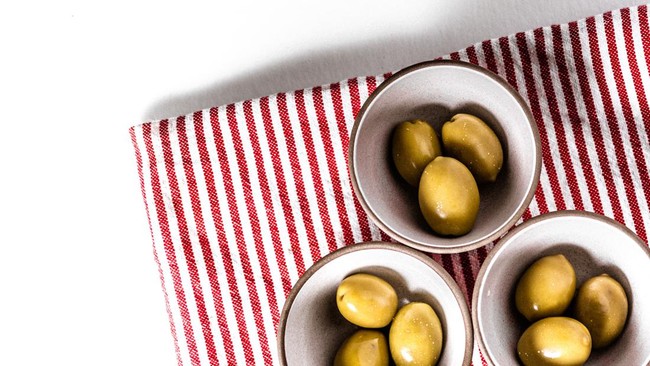
- Olive Oil
A study in the Journal of the American College of Cardiology found that people who consumed more than half a tablespoon of olive oil per day had a 19 percent lower risk of death. In the same study, individuals who consumed olive oil had a 29 percent lower risk of death from neurodegenerative diseases, a 19 percent lower risk of heart disease, and a 17 percent lower risk of death from cancer.
Olive is mentioned seven times in the Qur’an. This underscores its importance in the history and development of Islam.
In Surah Al-Mu’minun, verse 20, the Qur’an tells of fruits that should be eaten and speaks of the olive tree that grows on Mount Sinai, providing oil and spice for consumption.
- Green Tea
Vinjamoori stated that green tea has antioxidant, anti-inflammatory, and anti-cancer properties that are beneficial for humans.
A 2022 study found that quercetin contained in green tea can eliminate senescent cells — cells that can reduce physical functions and thus contribute to delaying the ageing process.
According to Dr. Vinjamoori, quercetin can activate the SIRT1 gene, a key gene for longevity and caloric restriction, enhancing the body’s ability to repair DNA and potentially slowing ageing.
- Onions
A 2022 study in Molecules identified onions as a source of quercetin with anti-ageing protective effects.
Meanwhile, a 2021 randomized clinical trial in the Journal of Clinical Biochemistry and Nutrition reported that consuming quercetin-rich onions can help improve cognitive function in humans.
- Whole Grains
Based on a study published in Circulation in 2016, people who ate about 2.4 ounces of whole grains, equivalent to roughly one-and-a-half slices of wholemeal bread daily, had a lower risk of premature death compared with those who ate less or none.
- Berries
Berries are renowned for their antioxidants, including flavonoids, which are linked to longevity.
A study published in the British Journal of Nutrition analysed data from one of the largest prospective cohorts on major chronic disease risk in women — more than 93,000 women followed for several decades in the Nurses’ Health Study.
The researchers found a strong association between consuming flavonoid-rich foods, particularly blueberries and strawberries, as well as red wine, tea, and paprika, and a reduced risk of death from disease. People who regularly consumed flavonoid-rich foods had lower mortality risk.