
7 Causes of Nastar Cracking and Tips for Achieving a Perfectly Glowing Surface
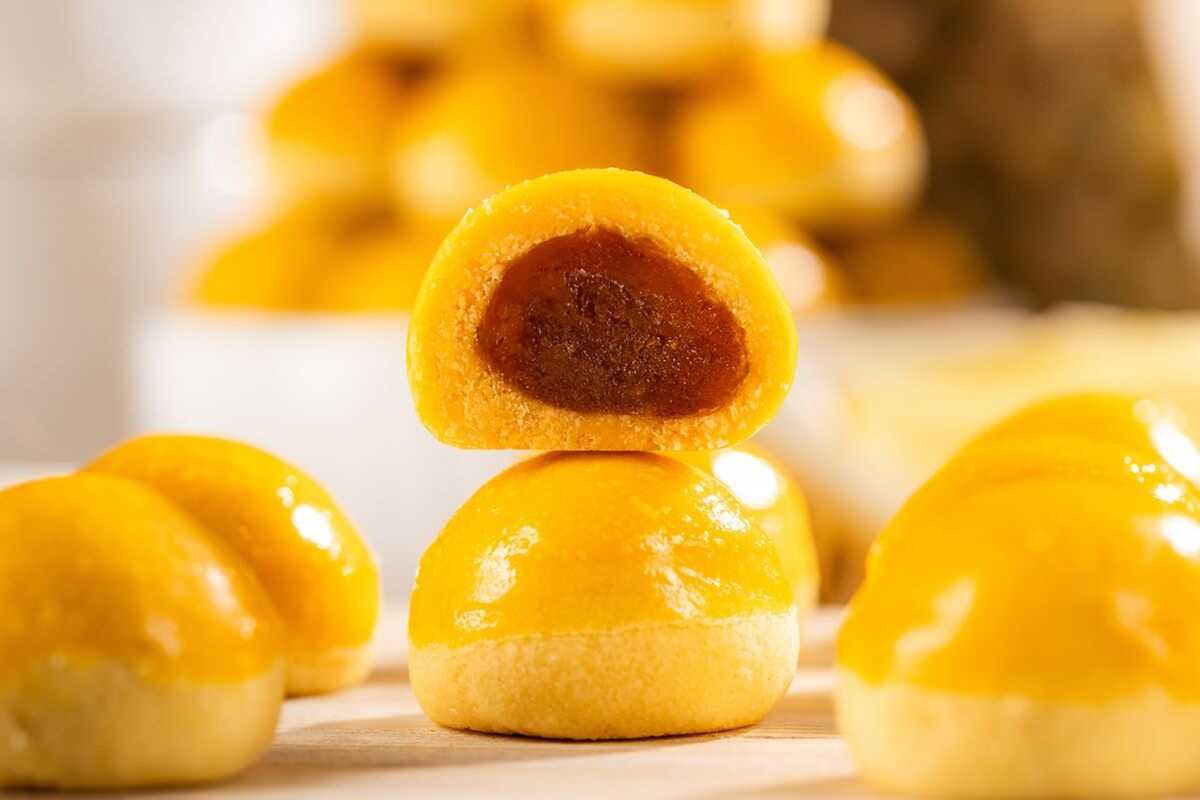
Entering the Lebaran season for holiday cookies, nastar remains an unrivalled favourite on the guest table. However, the greatest challenge for home bakers is keeping the surface of nastar from cracking and maintaining a glossy or perfectly glowing finish. Cracked nastar is often considered less aesthetically appealing, even though the taste remains delicious.
Causes of nastar cracking can vary greatly, from technical mistakes when beating the dough to an oven temperature setting that is not quite right. Understanding the anatomy of these failures is the first step to producing premium quality biscuits. Here is an in-depth analysis of the causes of these failures along with solutions.
One of the most common mistakes made by beginners is beating butter and sugar for too long with a mixer. When butter is overbeaten, too much air is incorporated into the dough. When exposed to oven heat, this air expands drastically and pushes the pastry shell, causing cracking. Beat the butter only until well combined (about 1-2 minutes) so the shell texture stays firm yet melts in the mouth.
Pineapple jam that is still wet or damp is the main enemy of the integrity of the nastar shell. During baking, the steam trapped inside the jam will try to escape. This steam pressure is what causes the nastar shell to crack from the inside. Ensure the pineapple jam is cooked until completely dry, pliable, dark golden in colour, and can be rolled easily without sticking to the hands.
Oven temperature that is too hot (above 160 degrees Celsius) at the start of baking will cause the outer part of the dough to harden instantly before the inside is cooked. Consequently, when the inside expands with heat, the hard outer shell loses its elasticity and cracks. Use a stable temperature between 130-150 degrees Celsius for even baking.
If the flour-to-fat ratio is too dominant relative to fat (butter or margarine), the dough will lose its elasticity. Dry, crumbly dough is very prone to cracking, both during shaping and when exposed to oven heat. Make sure you follow the recipe measurements accurately, especially the ratio between egg yolks and butter.
The nastar dough contains a high fat content. If left at room temperature in heat for too long before going into the oven, the butter will start to melt. This damages the dough structure. It is advisable to refrigerate part of the dough if you are baking in large quantities in stages.
Providing too much filling without leaving enough space for the shell to support it will increase the risk of cracking. Ensure the ratio of shell to filling by weight is balanced (usually 2:1 or to taste, but still proportional).
Many people brush egg yolk mixture onto the dough while it is still raw. This is a technical mistake that often results in a map-like pattern or a thousand cracks on the surface. The egg yolk glaze that is exposed to heat from the start will crack as the dough expands.
To obtain a surface that is very glossy like porcelain, follow these techniques:
This is usually caused by using excessive icing sugar or overmixing butter, which damages the fat structure and causes the dough to lose its ability to hold its shape.
When baked with the right level of dryness and using truly dry jam, nastar can last 3 to 6 months in a clean airtight container.
Honey helps impart additional gloss and a beautiful golden colour. If unavailable, you can substitute sweetened condensed milk or a little glucose syrup.
By following the technical guidelines above, your nastar will not only melt in the mouth but also present a luxurious and professional visual appearance to celebrate Lebaran 2026 with family.