
7 Alternative Middle East Oil Routes Capable of Replacing Hormuz?
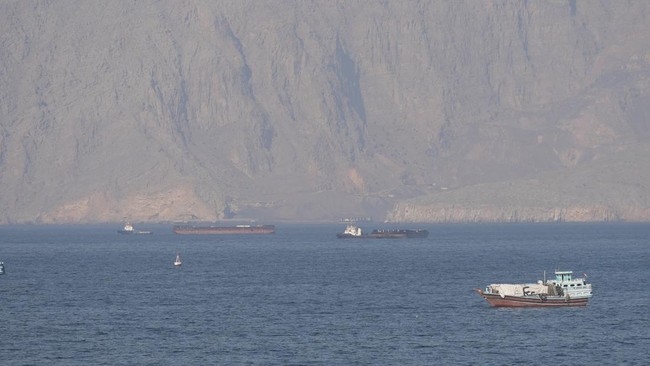
Disruptions to shipments in the Strait of Hormuz once again underscore the fragility of the global energy market structure. Although several alternative routes are available, their capacity and infrastructure readiness are deemed insufficient to fully replace the vital role of the main route. The Strait of Hormuz is not merely an ordinary trade passage. It is the only sea access from the Arabian Gulf to international waters. The United Nations Conference on Trade and Development (UNCTAD) records that around 20%-25% of globally traded oil by sea, as well as about 20% of liquefied natural gas (LNG), passes through this strait every day. The high concentration of energy flows means that any disruption immediately triggers global price volatility. The International Energy Agency (IEA) describes the current situation as one of the largest oil supply disruptions in history. IEA Executive Director Fatih Birol even called it the "largest energy crisis in history," as quoted by Reuters. A surge in oil prices is inevitable, amid market concerns over potential prolonged disruptions. Amid this pressure, several producer countries are beginning to rely on alternative routes. Here are seven routes that are relied upon or still in the development stage: 1. East-West Pipeline (Saudi Arabia) This 1,200 km pipeline can transport up to 7 million barrels per day (bpd) of crude oil from eastern Saudi Arabia to the Yanbu port on the Red Sea. 2. Habshan-Fujairah Pipeline (United Arab Emirates) Known as the Abu Dhabi Crude Oil Pipeline (ADCOP), this route connects onshore oil fields to Fujairah port in the Gulf of Oman, outside the Strait of Hormuz. 3. Kirkuk-Ceyhan Pipeline (Iraq-Turkey) Iraq's main northern oil export route, which transports oil from Kirkuk to Ceyhan port in Turkey via the Kurdistan region. 4. Goreh-Jask Pipeline (Iran) Iran has a pipeline with a capacity of around 1 million bpd that transports oil to the Jask terminal in the Gulf of Oman, enabling exports without passing through Hormuz. 5. Basra-Duqm Pipeline (Iraq-Oman) Iraq is considering building a pipeline route from Basra to Duqm port in Oman as a new export alternative. 6. Basra-Aqaba Pipeline (Iraq-Jordan) This project is designed with a capacity of up to 1 million bpd to transport oil from Basra to Aqaba port on the Red Sea. 7. Gulf-Oman Sea Canal The idea of building a canal connecting the Gulf to the Oman Sea, similar to the Suez or Panama Canal, is still in the conceptual stage and has not been realised. Although alternative options continue to emerge, analysts assess that these routes are not yet able to match the overall capacity of the Strait of Hormuz. With its strategic role, any disruptions in this strait will remain a primary factor shaking the global energy market.