
7.85 Million Vehicles Predicted to Congest the Trans-Sumatra Highway During the 2026 Eid al-Fitr
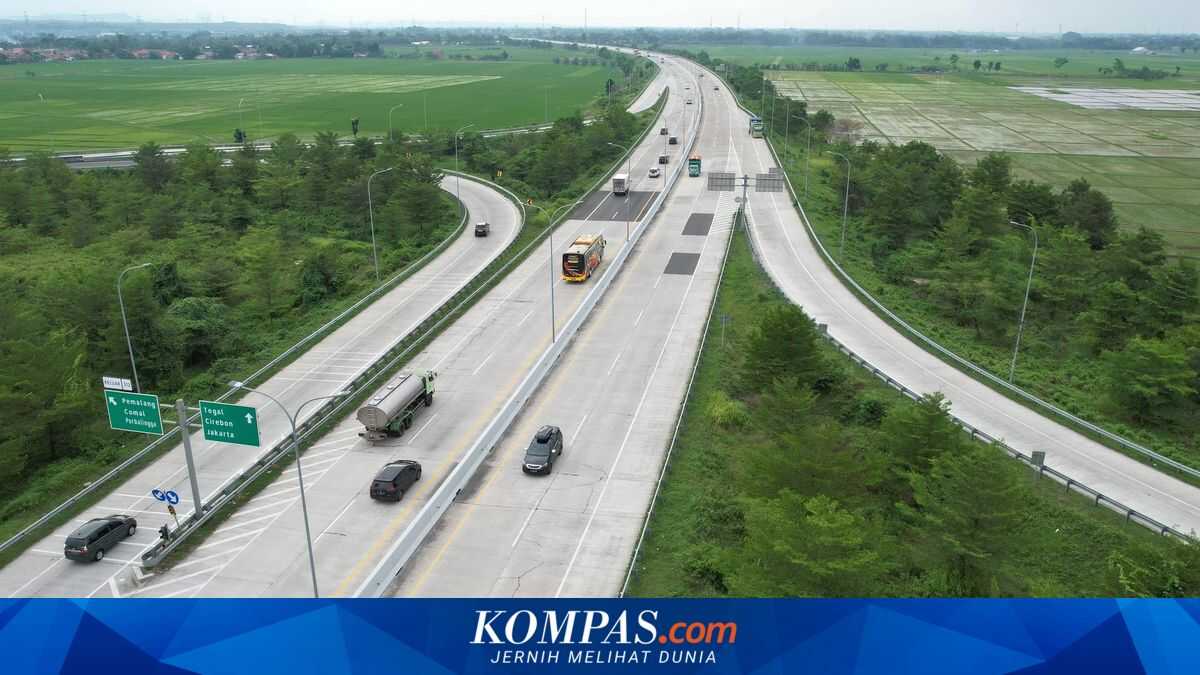
JAKARTA, KOMPAS.com – The government projects a surge in vehicle traffic on the Trans-Sumatra highway network during the 2026 Eid al-Fitr transportation period. This increase in mobility is expected to occur in line with the high use of private vehicles for inter-regional travel.
Minister of Transportation Dudy Purwagandhi said that private vehicles remain the primary choice for travellers. Nationally, the number of private car users is predicted to reach 76.24 million people.
“On Trans-Sumatra, vehicle and bus traffic will be concentrated in two main corridors, namely the East Crossroad connecting Lampung-Palembang-Jambi and the Central Crossroad via Baturaja-Lahat-Lubuk Linggau and passing through South Sumatra, before finally heading to several provinces such as Jambi, Bengkulu, West Sumatra, Riau, North Sumatra, to Aceh,” he said in an official statement on Wednesday (25/2/2026).
“Therefore, optimal traffic management, increased safety supervision, and the readiness of facilities and infrastructure in each of these strategic corridors are needed,” said Dudy.
South Sumatra is one of the crucial points because it is located in the central corridor of the island of Sumatra. The movement of people from this region during Eid al-Fitr is projected to reach 3.87 million people, while the inflow is around 3.85 million people.
According to Dudy, the inflow and outflow in the area are expected to increase from the directions of Lampung and Jambi, both through the Trans-Sumatra Toll Road and the national road network.
In addition to land routes, mobility is also supported by other modes of transport such as trains, air transport, and crossings to Palembang and its surroundings.
These include restrictions on the operation of three-axle or more goods vehicles through a Joint Decree involving various ministries and the Police, as well as the enforcement of regulations on over-dimensional and over-loaded (ODOL) vehicles.
Local governments are also asked to anticipate potential traffic obstacles such as illegal markets, activities in tourist areas, and disaster-prone areas that could disrupt traffic flow during the homecoming and return periods.