
6 Reasons Why the US-Iran Ceasefire Talks Failed
Negotiations between the United States (US) and Iran in Islamabad ended without agreement, underscoring diplomatic impasse amid escalating conflict since the end of February 2026.
The nearly 21-hour talks failed to yield common ground, despite the presence of high-level officials from both nations and intensive mediation by Pakistan. Murad Sadygzade, President of the Middle East Studies Centre and visiting lecturer at HSE University in Moscow, assessed that this failure was predictable from the outset.
“These negotiations were doomed to fail from the start in the current balance of power, without agreement, without a handshake,” he stated, as quoted by RT on Monday (13/4/2026).
According to him, the chasm between Washington and Tehran is no longer merely political but is also filled with memories of military conflicts that are difficult to bridge. He explained that there are at least six reasons why the US-Iran ceasefire talks failed.
The first reason for the failure is that the discussions focused more on the past than the future. The US pressed Iran on its nuclear programme and freedom of navigation, while Iran demanded compensation and recognition of its regional interests.
“Formally, they talked about the future, but the substance was debating the past,” Murad said.
Second, the absence of trust served as the main obstacle. The US rhetoric of offering the “best and final” deal was perceived as an ultimatum by Iran.
“Tone like that is not an invitation to peace, but a form of superiority that closes off room for compromise,” Murad explained.
Third, the US was seen as entering the negotiation table under duress. The unresolved conflict has shaken energy markets and increased global economic pressures.
“Washington needs a break more than they want to admit,” Murad stated, highlighting the strategic urgency on the US side.
Fourth, domestic political pressures in the US further narrowed the room for manoeuvre in negotiations. Legal rules regarding the use of military force and internal political divisions have left the government’s position unstable.
“When one side is pressured by domestic political timelines, the incentive to concede decreases,” Murad said.
Fifth, the failure to build an international coalition weakened the US position. Support from allies, including in Europe, is not fully solid in this conflict.
“US power is most effective when it appears as a collective force, and that did not happen in the case of Iran,” he revealed.
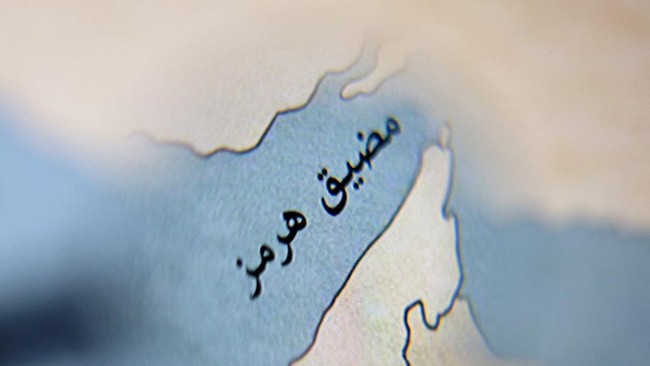
Sixth, Iran’s bargaining position has strengthened amid the conflict, particularly after demonstrating influence over the strategic Strait of Hormuz. Additionally, domestic support for the Iranian government has increased.
“Iran does not feel like the losing side, so they demand a high price for de-escalation,” Murad remarked.
Murad emphasised that this failure reflects the limits of the US’s old approach in the Middle East. The model of pressure followed by offers of compromise is deemed no longer effective in dealing with the current Iran. Under these conditions, the chances of reaching a peace agreement in the near future are increasingly slim, while the risk of the conflict heating up again remains high.