
6 'Miraculous' Fruits Mentioned in the Qur'an With Many Benefits
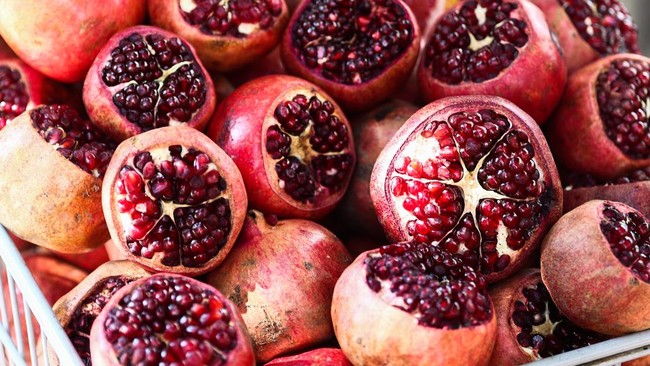
The Qur’an contains core teachings that guide belief, worship, morals, social interactions, and the provisions governing life. In addition to these messages, it also refers to several fruits considered beneficial for consumption, believed to carry special attributes and health advantages, with some depicted as fruits from paradise.
Here are six fruits mentioned in the Qur’an, as cited by The Healthy Muslims:
- Dates (kurma)
Dates are the fruits most frequently mentioned in the Qur’an. Some scholars note that this staple fruit of the Arabian Peninsula is referred to twenty-two times in the holy text, albeit in varying forms. One clear reference appears in Surah Al-Mu’minun, verses 19-20:
“With it We have produced for you gardens of dates and grapes, in which there are abundant fruits for you to eat.”
Dates are high in fibre and antioxidants. Their nutritional benefits may support brain health and help prevent certain diseases.
The three strongest antioxidants in dates are:
Flavonoids: powerful antioxidants that can reduce inflammation and have been studied for potential to lower risks of diabetes, Alzheimer’s disease, and certain cancers.
Carotenoids: shown to improve heart health and may reduce risks of eye-related disorders such as macular degeneration.
Phenolic acids: known for anti-inflammatory properties, potentially aiding in reducing cancer and heart-disease risks.
- Pomegranate (delima)
In Surah Ar-Rahman, verse 68, the Qur’an speaks of two paradisal gardens and says:
“In both of the gardens there are fruits, dates and pomegranates.”
Pomegranate is very high in vitamin C, which plays a role in collagen formation for maintaining muscle, bone, and skin, and it is also a key player in iron absorption!
- Olive (zaitun)
In Surah Al-Mu’minun, verse 20, the Qur’an tells of fruits to eat and speaks of the olive tree growing on Mount Sinai that provides oil and seasoning for consumption.
Many people choose olive oil as a healthy fat option. The fruit itself also makes a fine culinary herb. Olives contain essential fatty acids beneficial for heart and brain function, as well as polyphenols with antioxidant properties.
- Fig (buah tin)
The Qur’an contains a chapter dedicated to the Fig, Surah At-Tin, which means the Fig.
“By the Fig and the Olive,” reads Surah At-Tin, verse 1.
The fig, or Ficus carica, is high in fibre, which helps maintain healthy blood sugar and cholesterol levels. The fruit, known in English as fig, also contains magnesium, calcium, potassium, and carotene, all of which the body requires.
According to certified nutritionist Jo Lewin, cited by BBC Food, figs offer at least five health benefits:
boosts digestive health
protects cells from damage
helps normalise blood pressure
supports bone health
helps maintain a healthy weight
- Grapes (anggur)
In Surah Al-Mu’minun, verses 19-20, the Qur’an tells believers:
“With it We have produced for you gardens of dates and grapes, in which there are abundant fruits for you to eat.”
Grapes are highly popular for their rich antioxidant content. They contain flavonoids that have been shown to counter oxidative damage and, in some studies, possess properties that may fight cancer.
- Banana (pisang)
In Surah Al-Waqi’ah, verse 29, Allah mentions the banana as a fruit arranged in clusters.
“And the righteous, how blessed they will be! They will be among palm trees with no thorns, clusters of bananas, broad shade, flowing water, abundant fruits, never out of season, and not forbidden” (QS Al-Waqi’ah 27-33).
The Qur’an generally describes fruits eaten by the people in paradise and explicitly mentions bananas, signalling that bananas are among the blessed fruits. Bananas make a good addition to breakfast or a morning snack because they are rich in potassium, fibre, vitamin C, magnesium, and folate.
Bananas also contain several strong antioxidants, including flavonoids and amines. These antioxidants offer numerous health benefits, such as reducing the risk of heart disease and degenerative illnesses.