
6 Foods That Can Help Prevent Colorectal Cancer
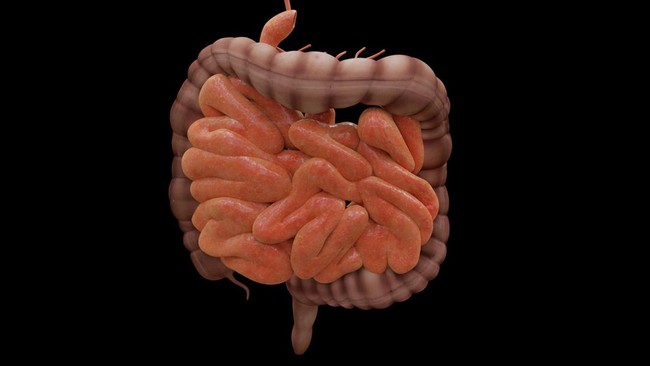
Colorectal cancer cases are increasingly found among younger generations. Doctors at Yale Medicine are urging people under 45 to consult a physician promptly if they experience suspicious symptoms such as constipation, rectal bleeding, or a sudden change in bowel habit. Yale Medicine colorectal surgeons report they are increasingly treating young patients diagnosed with colorectal cancer. One case involved a man in his 30s who had believed for months that his rectal bleeding was due to haemorrhoids.
In fact, there was a week when, out of seven patients diagnosed with rectal cancer, all were still young, the oldest aged 35. The youngest diagnosed in recent months was only 18. “We are seeing a clear rise in colorectal cancer among younger generations,” said Dr. Haddon Pantel, a colorectal surgeon at Yale Medicine. While colorectal cancer is more commonly diagnosed in people over 50, incidence in that age group is actually declining. By contrast, incidence in people under 50 is rising, and is increasingly diagnosed at advanced stages.
Although colorectal cancer can still be treated, a diagnosis can be a heavy burden for Gen Z, Millennials, and Gen X (late 20s to late 50s), as it can disrupt careers and have a large impact on financial circumstances. “We are still seeing the trend continue, so this is not a temporary phenomenon,” said Dr. Reddy.
Why Is Colorectal Cancer Rising in Younger People?
To date, the exact causes of the increasing incidence of colorectal cancer in younger people are being studied. However, experts suspect changes in modern eating patterns, obesity, reduced physical activity, and alterations in the gut microbiome may play a role. Several factors are thought to contribute, including:
Sedentary lifestyle (little movement)
Overweight or obesity
Smoking
Excessive alcohol consumption
A diet low in fibre, high in fat, or rich in processed meat
Exposure to certain environmental factors
In addition, a family history of colorectal cancer or having polyps, as well as conditions such as inflammatory bowel disease, are considered risk factors. Many suspect genetic factors play a role when cancer is detected at a young age. However, though some cases relate to genetic factors such as Lynch syndrome, many younger patients diagnosed do not have a clear family history or genetic mutation. For instance, genetic conditions like Lynch syndrome are usually associated with tumours on the right side of the large bowel. Yet many cases occur sporadically, without a clear genetic link. According to Dr. Reddy, many younger patients diagnosed do not show signs of a specific genetic syndrome. If you have a family history of cancer, doctors typically recommend colonoscopy screening from age 40, or 10 years earlier than the age at which a family member was diagnosed.
Colorectal Cancer Symptoms to Watch For
Be aware of the following symptoms of colorectal cancer:
Changes in bowel habits (diarrhoea or constipation)
Feeling of incomplete evacuation after a bowel movement
Blood in the stool (bright red or dark)
Unexplained weight loss
Abdominal pain, bloating, or cramping that recurs
Prolonged fatigue
However, not everyone will experience symptoms. It is important to consult a doctor promptly, particularly if there is a family history of colorectal cancer. Diet to Help Maintain Bowel Health and Lower Colorectal Cancer Risk
When choosing daily foods and snacks, prioritise plant-based foods and low-fat protein sources, advises Zumpano, a clinical nutritionist at Cleveland Clinic quoted by EverydayHealth. The following are foods believed to help lower the risk of colorectal cancer (colorectal cancer of the colon and rectum):
- Whole Fruits and Vegetables
Fresh fruits and non-starchy vegetables are rich in vitamins, minerals, fibre, and antioxidants such as phytochemicals that may help prevent cancer. According to Zumpano, a high-fibre diet helps with waste elimination, supports a balanced gut microbiome, and increases intake of essential nutrients. Examples of nutrient-dense fruits and vegetables include:
Apples
Bananas
Berries
Melon
Mango
Oranges
Pears
Broccoli
Carrots
Cabbage
Cauliflower
Cucumber
Spinach
Tomatoes
Kale
Lettuce
Onions
Artichoke
Celery
Aim to consume whole fruits rather than processed forms. Avoid excessive consumption of starchy vegetables such as potatoes, corn, and peas, as these can raise diabetes risk. Daily recommendations: at least 2½ cups of vegetables and at least 1½ cups of fruit. Research also shows that a diet high in fruit and vegetables can lower mortality from colon cancer, says Dr. Salina Lee, a gastroenterologist at Rush University Medical Center, Chicago.
- Whole Grains
Whole grains – not refined – are rich in fibre, B vitamins, vitamin E, iron, zinc, magnesium, and antioxidants. Research shows that fibre from whole grains offers the best protection against colorectal cancer compared with other fibre sources. Fibre helps increase stool weight, speed elimination, and reduce exposure of the intestinal wall to cancer-causing compounds. In addition, fibre fermented by healthy gut bacteria into short-chain fatty acids (SCFAs) is believed to help maintain intestinal cell health and potentially slow growth of abnormal cells. Examples of whole grains:
Whole wheat bread
Whole wheat pasta.