
58 Blind Massage Parlours Still Operating in Jakarta, Dinsos Admits Guidance Has Not Been Optimised
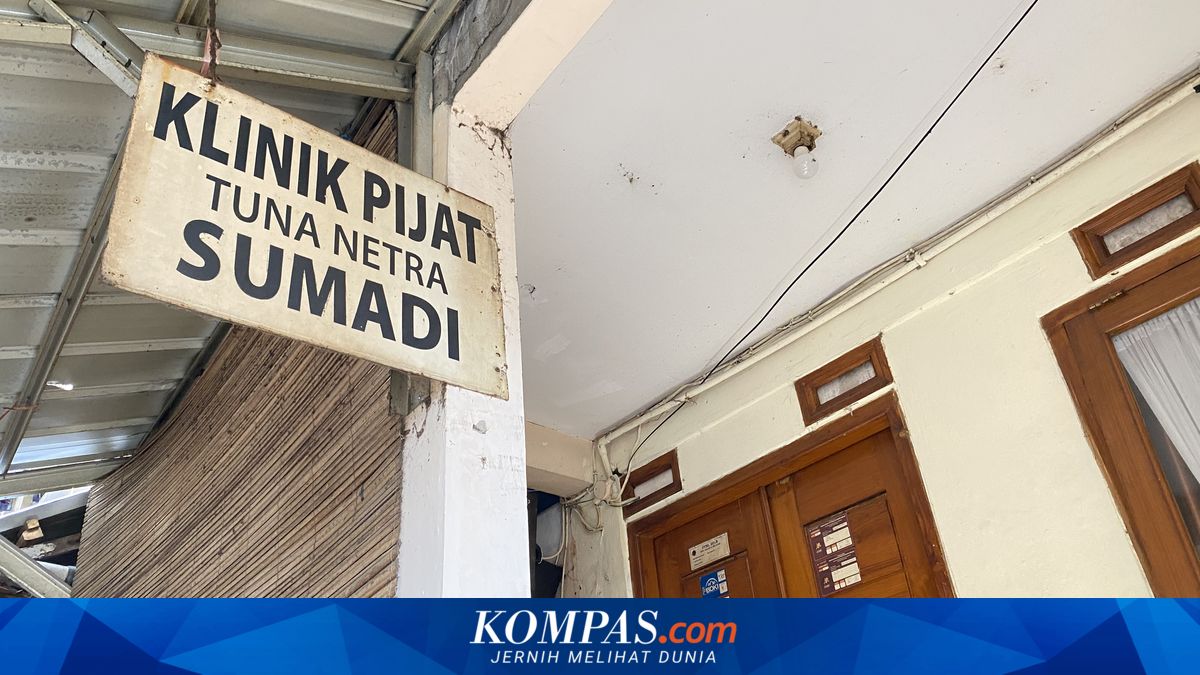
Jakarta – The Jakarta Provincial Social Service Agency (Dinsos) has recorded that 58 panti pijat tunanetra (blind massage parlours) remain active across Jakarta. In the face of competition from modern massage services and digital apps, Dinsos acknowledges that the mentoring and supervision of blind massage businesses has not been carried out optimally.
According to Dinsos data, most of the active parlours operate in East Jakarta, South Jakarta, and Central Jakarta. Others operate modestly from rental houses or in the narrow lanes of densely populated neighbourhoods.
Iqbal Akbarudin, head of Dinsos, notes that one of the blind massage parlours run by Dinsos in the Cempaka Putih area has closed in the past two years as the building is set to be rehabilitated to become a Dinsos office.
Although the number of parlours has shrunk, Dinsos says there is no special allocation of funds specifically to support blind massage businesses in the community. “There is, however, no dedicated funding allocated specifically to support blind massage parlours spread across communities,” Iqbal said.
He said that blind masseurs are indeed among people with disabilities who can receive social assistance if they are registered in the government system, but data collection remains the main obstacle.
Beyond funding, changing patterns of consumption pose a major challenge as online massage services attract many customers looking for convenience and easy access.
To address this, Dinsos says it has started strengthening digital literacy within government-supported social service centres.
At PSBNRW Cahaya Batin, training now covers not only traditional massage but also shiatsu, reflexology, sport massage, and basic facial therapy (totok wajah).
Dinsos also mentions developing a concept of therapy studios within offices of the government and other agencies. The aim is to open up more formal employment opportunities for blind masseurs so they are not solely dependent on the daily patient count.
In a narrow alley, a sign reading “Klinik Pijat Tuna Netra Sumadi” hangs outside a modest building. The sign has aged and is barely legible from the street, yet the clinic remains visible. The front contains a wooden door, a narrow corridor, a massage room with a single bed covered in brown and black fabric, a folding chair, a small shelf, and an air conditioner mounted on the wall. Maroon curtains divide the space, and a pale light illuminates the cream-painted room. Sumadi sits on a small bench answering a telephone call.