
51 SPPG units in Central Sulawesi temporarily halted for failing to meet IPAL standards
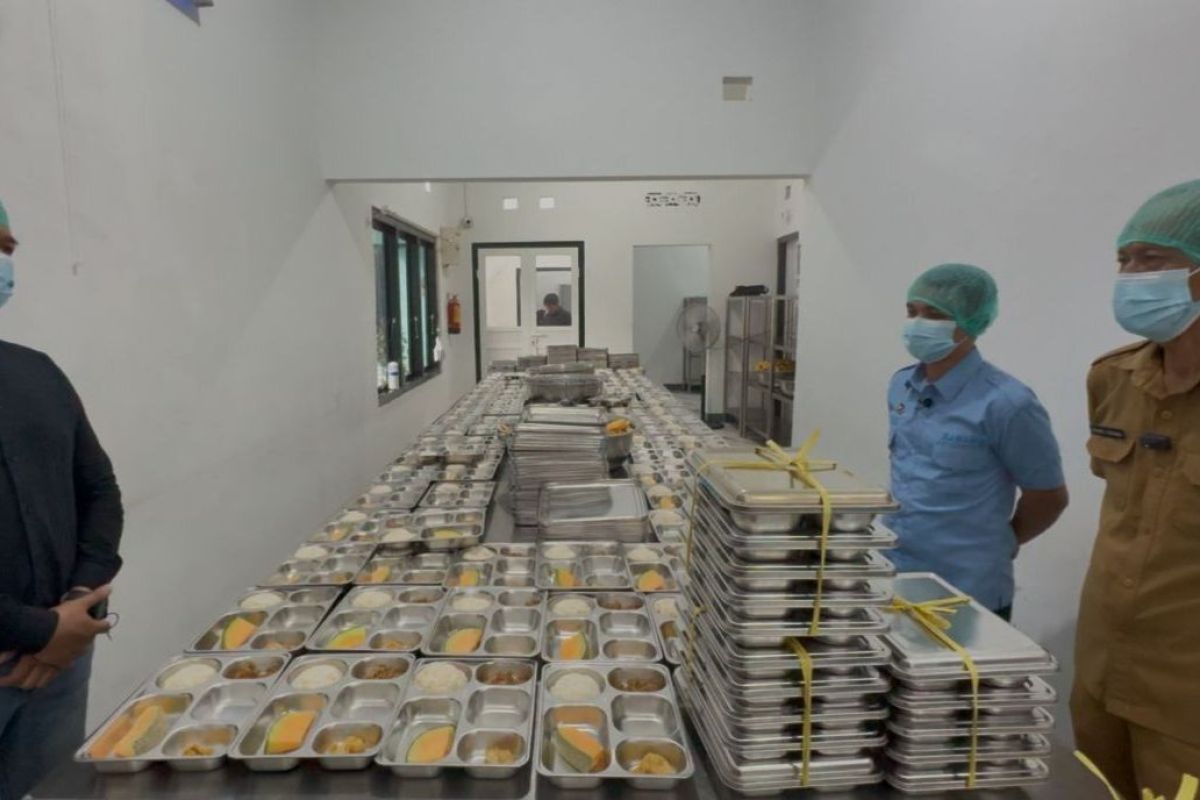
In the future, a grading system or level classification will be applied to each SPPG to ensure that food quality and hygiene standards are maintained. Palu (ANTARA) - 51 Satuan Pelayanan Pemenuhan Gizi (SPPG) units for the Free Nutritious Meals (MBG) programme in Central Sulawesi (Sulteng) have been temporarily suspended because they do not yet meet sanitation standards, particularly regarding Wastewater Treatment Installations (IPAL). “This includes the Hygiene Sanitation Certificate (SLHS) for MBG programme providers,” said the Head of the Administrative Sub-section of the Palu Nutrition Fulfilment Service Office (KPPG), Muhammad Aril Putra, in Palu on Thursday. He explained that the enforcement refers to a letter from the Deputy for Monitoring and Supervision of the National Nutrition Agency (BGN) dated 31 March 2026, which has received approval from the Director of Region III. This step is part of BGN’s efforts to tighten the processes and criteria for SPPG kitchens throughout Indonesia. Aril explained that meeting IPAL and SLHS standards is crucial to maintaining food sterility and preventing negative health impacts on beneficiaries. “Regarding IPAL standards in the technical guidelines, it is stipulated that there must be a filtration system, including a grease trap or oil and fat trap device, because kitchen waste has the potential to impact the surrounding environment,” he stated. He explained that SPPG units that have been temporarily suspended can resume operations after fulfilling all the specified requirements, in accordance with the suspension letter from the Directorate of Supervision. Operators are required to complete supporting documents, he said, including evidence of improvements in the form of photos or documentation, which will then be verified before operations are permitted to resume. In the process of meeting standards, he continued, SPPG operators also coordinate with relevant agencies, namely the Environmental Agency (DLH) for IPAL and the Health Agency (Dinkes) for issuing SLHS. Based on data, there are currently 203 operating SPPG units in Central Sulawesi, with 51 of them in suspended status. He stated that the temporary halt in operations not only affects MBG programme beneficiaries, such as children, toddlers, pregnant women, and nursing mothers, but also the workforce involved. “In one SPPG, there are on average around 47 volunteers. This programme has multiplier effects in opening up employment opportunities, so compliance with standards is very important,” he said.