
5 Interesting Facts about Merarik, the Sasak Tribe's Kidnapping Marriage Tradition in Lombok
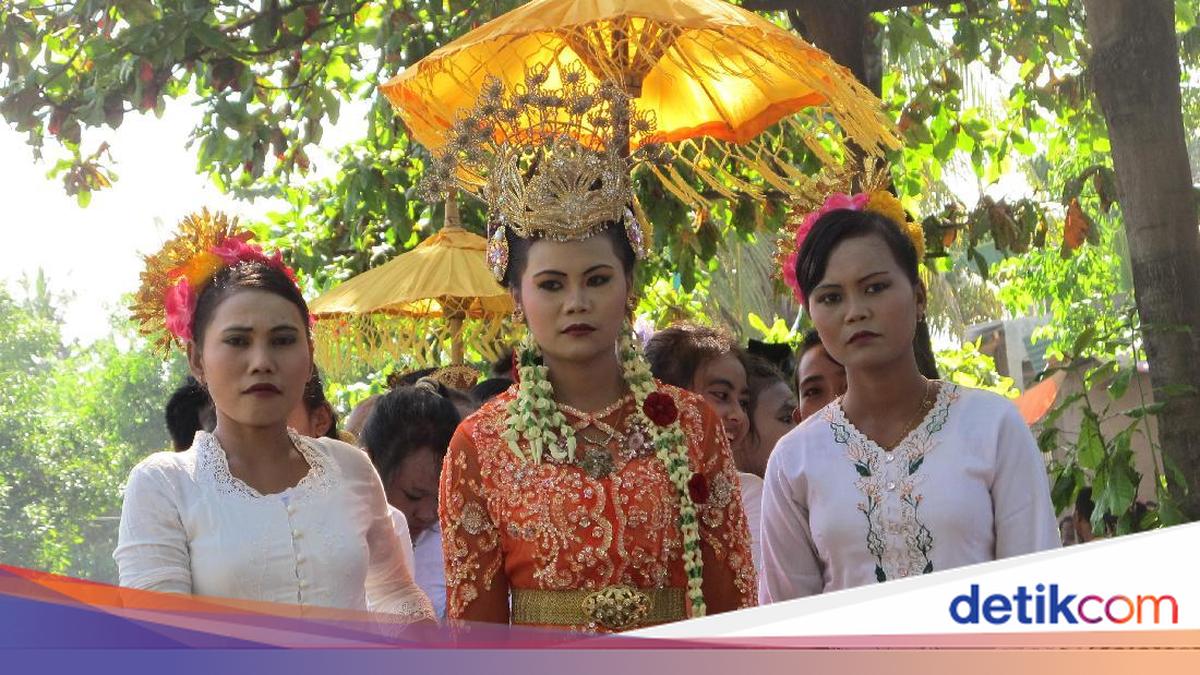
Marriage is a special moment. In Lombok, West Nusa Tenggara (NTB), this procession is not only understood as the union of a pair of lovers, but also as a sacred agreement that reflects customary values in a cultural tradition called Merarik.
The Merarik tradition refers to a procession in the wedding ceremony carried out by a man by kidnapping the bride-to-be. The groom takes the woman away to be hidden in the home of his relatives for some time before the wedding ceremony takes place.
Although it appears quite controversial, this customary kidnapping marriage procession actually holds profound meaning for the Sasak tribe’s culture. According to their beliefs, the Merarik tradition symbolises proof of identity in the search for true love. To this day, this wedding procession is still carried out and has been passed down through generations.
Behind its unique history rich with customary meaning, the Merarik tradition also holds various interesting facts that are rarely known to the public. Here is a list of unique facts from the Merarik tradition.
- The Procession Takes Place at Night
Merarik in the Sasak language comes from the word ‘rari’ which means to run. Literally, the term Merarik is understood as a form of customary marriage where the man takes away the woman he is to marry and then undergoes a series of wedding processions according to the applicable traditions.
The Merarik procession must be carried out secretly without the knowledge of others, including the parents of both brides. The man usually has a well-planned strategy, involving only close relatives to avoid disturbances that could potentially derail the marriage. This procession is generally conducted at night when the prospective female bride is taken away secretly from her home to the man’s residence or that of his closest family.
- Carried Out with Cousins
The Merarik tradition originally stems from a kinship system and strict social structure that often becomes an obstacle for young couples who want to marry. The Merarik procession may only be carried out by a pair of lovers who have previously established a relationship based on mutual affection without any coercion.
Interestingly, the wedding ceremony of the Sasak people in Dusun Sade, Central Lombok, is conducted in a different way. The Merarik tradition or kidnapping marriage is believed to strengthen family ties. In practice, this marriage is usually carried out with cousins or close relatives still within the same environment. The surrounding community believes that the household will last longer because it can help minimise the risk of divorce.
- Not a Forced Elopement
It should be understood that the Merarik tradition is not the same as the elopement phenomenon that is condemned by most of society because it is considered highly contrary to social norms and customs. On the contrary, the Merarik tradition may only be carried out through mutual agreement.
The man must not impose his will on the bride. The Merarik procession is carried out on the basis of full consent from both parties. The woman has the right to accept or refuse. This procession is not a form of forced marriage, but rather an expression of mutual commitment that still adheres to customary rules and values of respect for women.
- The Position of Women is Highly Valued
Taking a woman away in the Merarik tradition of the Sasak tribe is not interpreted as a negative action as perceived in many other cultures. On the contrary, the term “taking away” is interpreted as a symbol that women have very high value.
This expression reflects the high position of women and how much the Sasak tribe’s society values women. Women are viewed as valuable, noble figures worthy of having their honour protected, while also reflecting that the Merarik tradition is not intended to demean women, but rather as a symbol of respect for their dignity and role in community life.
- The Bride is Kidnapped to the Nearest Relative’s House
In the Merarik procession, the prospective female bride is taken to the house of relatives or closest family, not directly to the man’s house. This step is done so that the marriage process can immediately proceed.
Subsequently, the relatives report to the village head to inform the woman’s family, known as Nyelabar. After that, the wedding procession continues with other customary stages, such as requesting the guardian, the marriage contract, up to the bridal procession known as Nyongkolan.