
5.9 Tonnes of Unfit Chicken Meat from East Java Destroyed in NTB
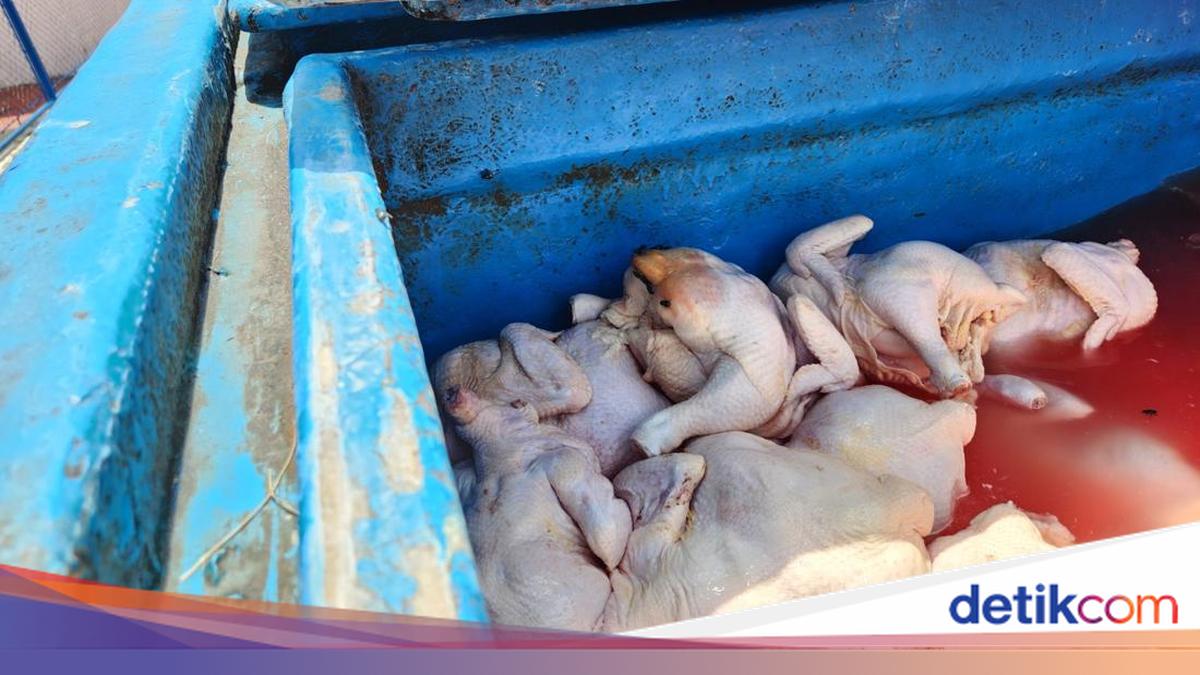
The Quarantine Agency for Animals, Fish, and Plants of West Nusa Tenggara (NTB) has destroyed 5,962 kilograms (5.9 tonnes) of unfit-for-consumption chicken meat shipped from East Java. The meat was previously secured by the NTB Water and Air Police Directorate at Lembar Port, West Lombok. Head of NTB Quarantine Ina Soelistyani stated that the entire batch of chicken meat was destroyed by burial at the NTB Quarantine Office in Lembar, West Lombok. The destruction took place after examination by quarantine officers on Thursday (16/4/2026). “The commodity lacked quarantine requirements from the origin area. Additionally, it was transported using a non-refrigerated truck, and the packaging and storage conditions of the meat did not meet the required technical standards,” Ina said in her statement on Friday (17/4/2026). She explained that, in accordance with Law No. 21 of 2019, all animal, fish, and plant commodities entering NTB must be reported to quarantine officers and accompanied by official documents. According to Ina, these documents are essential to verify the product’s origin while ensuring hygiene standards. Without complete documentation, the commodity is deemed risky because its health and safety status cannot be traced. She also emphasised the importance of implementing the cold chain in distributing animal products like fresh chicken meat. Stable storage temperatures are required to suppress microbial growth. Stable storage temperatures are crucial to suppress microbial growth. Without a consistent cold chain, the risk of contamination, disease threats, and pollution becomes very high, rendering food safety unassured. “This is very dangerous; in this case, to safeguard food security and the food sources consumed by the public. We do not want any unfit food materials to be circulated or even consumed by the public,” Ina clarified. According to her, poor packaging and non-standard storage temperatures pose a high risk of triggering contamination and accelerating spoilage during distribution. “This is a serious concern because such conditions directly reduce the food’s fitness level before it reaches the public,” she stressed.