
5.4 Magnitude Earthquake Jolts Banggai This Morning, BMKG Reveals Source and Affected Areas
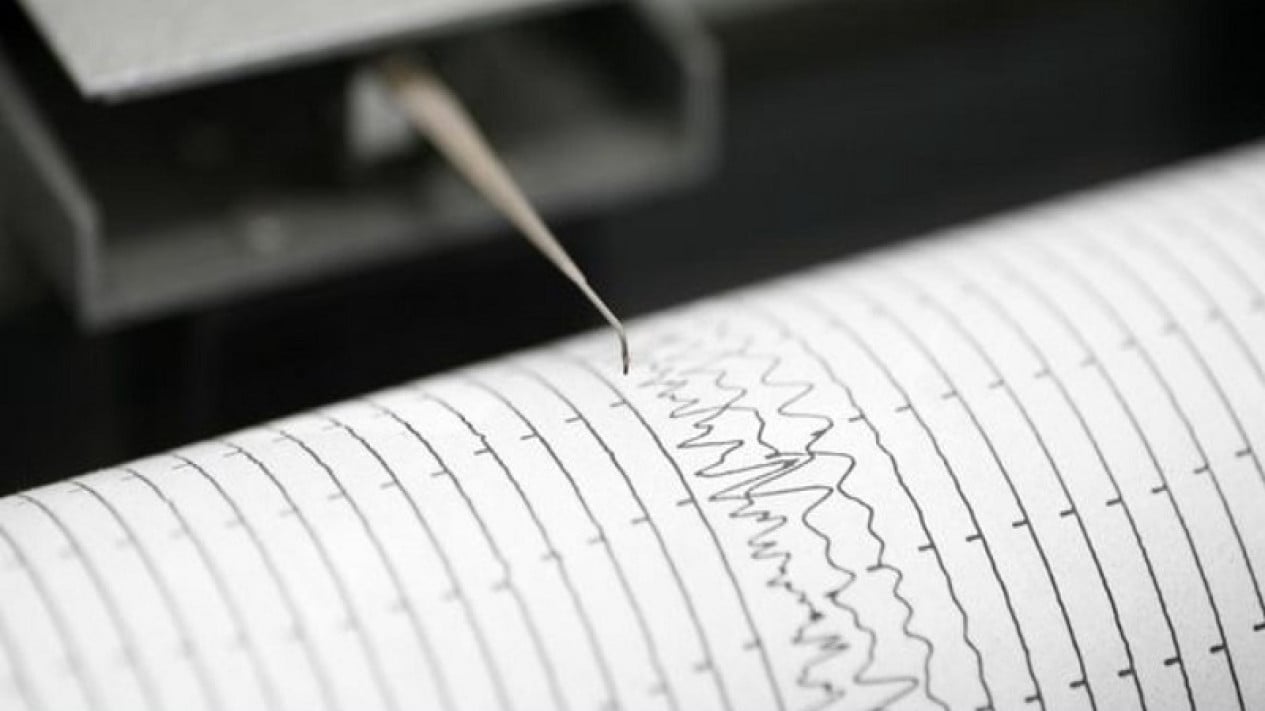
A 5.4 magnitude earthquake shook Banggai Regency, Central Sulawesi, on Friday morning, 5 June 2026. The Meteorology, Climatology and Geophysics Agency (BMKG) stated that the quake was a tectonic event occurring in the North Coast of Banggai region and posed no tsunami threat.
Director of Earthquakes and Tsunamis at BMKG, Wijayanto, explained that the earthquake occurred at 07:28 WITA. According to BMKG analysis, the epicentre was located at coordinates 0.15 degrees South Latitude and 123.13 degrees East Longitude. The quake’s centre was at sea, approximately 72 kilometres northeast of Puah Island, Central Sulawesi, at a depth of 99 kilometres.
BMKG revealed that the earthquake originated from sub-surface tectonic activity and is classified as an intermediate-depth earthquake as it occurred at a depth of nearly 100 kilometres. According to Wijayanto, the event was triggered by rock deformation occurring within the slab of the Sulawesi Sea Plate. This geological activity produced an energy release that triggered vibrations felt in several areas.
"The type of earthquake that occurred is tectonic in the North Coast of Banggai region, Central Sulawesi," said Wijayanto.
In addition to detailing the location and depth, BMKG also presented the results of its source mechanism analysis. The observations indicate the earthquake had an upward movement or thrust fault characteristic. A thrust fault mechanism is a type of fracture caused by pressure that forces one rock block to move upwards relative to another, commonly found in areas influenced by tectonic plate activity.
"The source mechanism analysis results show that the earthquake has an upward movement or thrust fault mechanism," said Wijayanto.
Although the epicentre was in the Banggai area, the tremors were felt across several regions in Sulawesi and surrounding areas at varying intensity levels. BMKG recorded that the Luwu and Bone Bolango areas experienced shaking on the III to IV MMI intensity scale. At this level, vibrations are felt by many people indoors and some people outdoors.