
470 Chinese AI-made dramas produced daily, with no filming involved
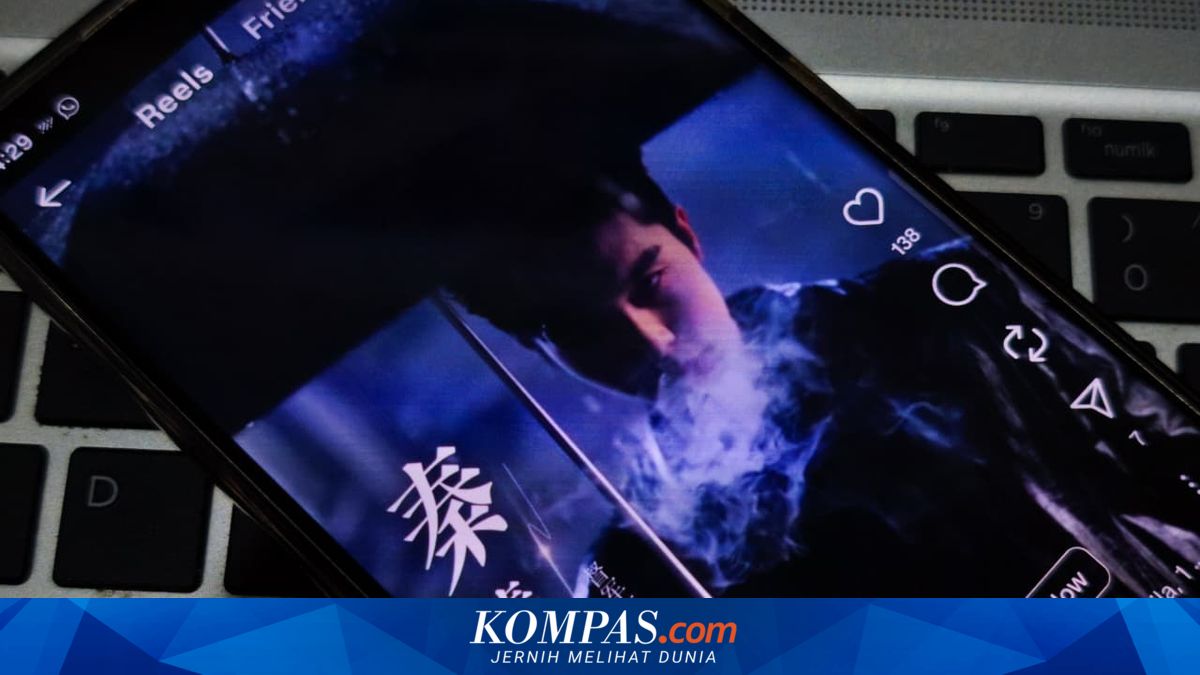
A scene from the series Carrying the Dragon King’s Baby shows a frightened young woman being hurled onto a bed by a muscular man. The man seizes her hands, and vine‑like flames creep and fuse with her flesh. She glides, then falls. A dragon tattoo appears on her chest. ‘Two months,’ the man says. ‘Give me an heir, or I will eat you.’ At a glance, the melodramatic clip looks like a low‑budget smartphone serial on apps such as DramaWave and ReelShort. Yet there is something odd about the visuals: a fair cross between cinema and a video game cutscene. The peculiarity stems from a surprising fact: the series was entirely created using artificial intelligence (AI). There were no actors, no camera operators, no directors, and no CGI specialists involved. This marks the new face of China’s short drama industry (dracin), now wholly controlled by the AI ‘machine.’
Since 2018, China’s drama industry has become a behemoth. The hyper‑melodramatic content — sometimes bordering on explicit — is designed specifically for smartphone screens. The episodes are very short, typically one to two minutes, so a season can be completed in 30 minutes to an hour. These ‘micro‑drama’ productions rely on adrenaline‑pumping plots and numerous twists to keep viewers scrolling.
In 2024, the dracin market was reported to be worth $6.9 billion, surpassing the country’s annual feature‑film box office for the first time.
Not satisfied with domestic success, producers of Chinese short dramas began expanding overseas from 2022. They translate popular works and produce local series with local actors. The United States has become the largest foreign market, contributing around 50% of total global revenue, according to DataEye.
This year, Omdia projects the global micro‑drama market to reach $14 billion.