
40-metre Tsunami Mistaken for 3 Metres, 18,500 Dead in Japan's 2011 Disaster
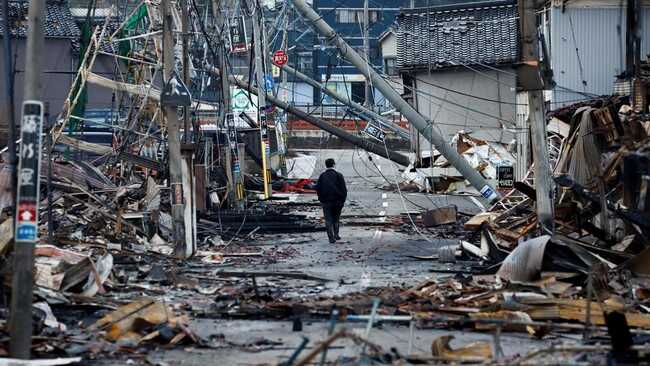
A tragic disaster struck Japan on 11 March 2011 when a massive earthquake measuring magnitude 9 hit the nation, classified as a megathrust event by authorities. The earthquake triggered a 40-metre-high tsunami that travelled at speeds of up to 700 km/h, according to Britannica. The disaster claimed 18,500 lives, with 10,800 persons reported missing and 4,000 injured. Thousands of homes were rendered uninhabitable by the quake and tsunami damage.
The catastrophe did not end there. The following day, authorities announced that the Fukushima nuclear reactor had leaked, contaminating the environment and rendering the city of Fukushima uninhabitable.
Japan, like Indonesia, is particularly vulnerable to earthquakes and tsunamis. The country has prioritised developing advanced technology to enhance disaster mitigation efforts. One critical measure was broadcasting early warning alerts to the public. However, the 2011 tsunami incident revealed a fatal miscalculation: authorities issued a tsunami warning predicting a height of merely 3 metres instead of the actual 40 metres.
Ryo Kanouya, an employee in Fukushima, recounted his experience during the disaster. On the morning of the event, he went to the office as usual and worked normally until 15:30 local time, when mobile phones began ringing with earthquake alerts. Violent tremors shook the buildings, causing structures to collapse and power lines to fall. After the six-minute shaking subsided, Ryo attempted to calm himself, but a tsunami warning was immediately issued predicting a 3-metre surge. His company instructed all employees to return home to assist residents.
Ryo hurried home, which was only 1 kilometre from the coast. His family, believing the tsunami warning indicated they were safe, remained calm. However, minutes later, water began rising rapidly. Looking out the window, Ryo was startled to see a wall of water moving like lightning. He could not escape as the wave crashed through the window and walls of his home.
The surging waves grew stronger and destroyed his house. Ryo was swept about and ingested considerable water. At one point, he surrendered to his fate. He then found himself drifting above the water whilst holding onto a cabinet. Around him, he witnessed many people drowning and others attempting to survive on debris piles. Some had already perished. He waited until the water receded and could eventually return to solid ground.
Upon reaching land, Ryo’s legs gave way. Fukushima had been levelled. Many people had died, whilst others were injured. Ryo remained unharmed physically, though threatened by hypothermia. Fortunately, Ryo, his father, mother, and sister survived. However, his grandmother went missing and is presumed dead, never to be found.
This tragedy serves as a critical lesson on the importance of accurate disaster mitigation and early warning systems.