
4 ASEAN Countries Strengthen Regional High-Speed Rail Route, Indonesia Does Not Join
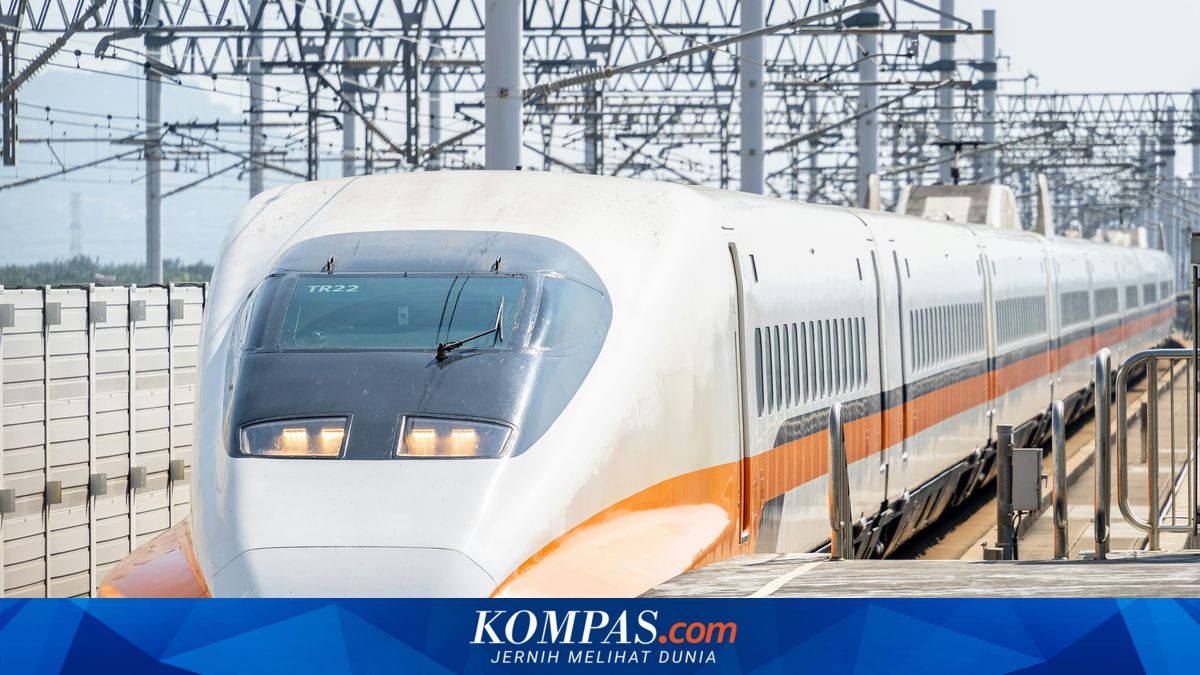
Southeast Asia is preparing to enter a new era of modern transportation through the development of a cross-border high-speed rail network. Several participating countries include Malaysia, Thailand, Singapore, and Vietnam. Unfortunately, Indonesia is not involved in this project. The countries actively expanding this high-speed rail project aim to strengthen regional connectivity, tourism, and economic growth. According to Kompas from Travel and Tour World on Wednesday (13/5/2026), one of the most highlighted projects is the China-Laos-Thailand high-speed rail, which will connect Vientiane in Laos with Bangkok, Thailand. This route is projected to reduce inter-city travel time to about four hours. In addition, Malaysia and Thailand are continuing to promote plans for the Kuala Lumpur-Bangkok high-speed rail development. This project is expected to strengthen inter-country connectivity in Southeast Asia while facilitating the mobility of tourists and business actors. Singapore is also said to be an important part of the regional transportation network development. The country has long discussed the high-speed rail project connecting Kuala Lumpur and Singapore as part of ASEAN transportation integration. Meanwhile, Vietnam is accelerating the development of its national high-speed rail system to improve inter-regional connectivity while supporting domestic economic growth and tourism. This country even hosted the HSR Asia 2026 forum discussing the future of high-speed rail in the Asia-Pacific region. The development of this cross-border high-speed rail network is considered a new renewal in the transportation world for Southeast Asia as it can accelerate travel, reduce air traffic density, and open new investment opportunities in the transportation and tourism sectors. The planned KL-SG-HSR high-speed rail will span about 350 kilometres. Details include 300 kilometres along Malaysia and 50 kilometres in Singapore. This train will operate at a speed of 300 km/h, passing through the two countries—Kuala Lumpur and Singapore—in just 90 minutes. With eight stations placed strategically, the HSR will support Transit-Oriented Development (TOD) initiatives at each station. These stations will function as centres for business, residential, and commercial activities, capable of driving economic impacts from the rail network. This rail route uses the European Train Control System (ETCS) for signalling to ensure safe and smooth operations. Express services will operate every 30 minutes, making it an attractive option for commuters between the two countries.