
4,000 People Died from Asbestos Exposure, Town's Name Removed from Maps
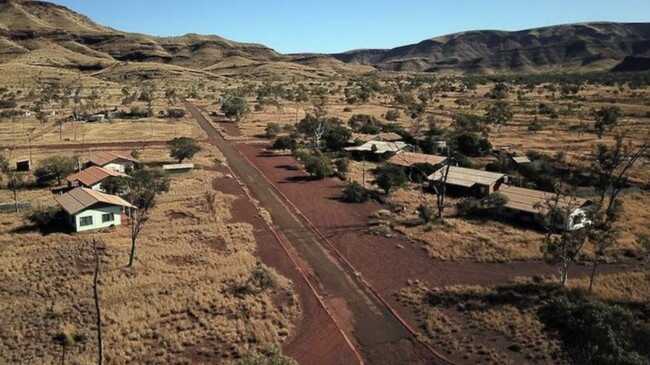
Wittenoom is a remote mining town that has become a symbol of the most tragic health disaster in Australian history. The disaster was triggered by exposure to blue asbestos (crocidolite) mined without adequate safety standards, leading to the deaths of 4,000 mine workers.
The government of Western Australia has closed the town and demolished the remaining buildings due to the high health risks. Access to the site is prohibited, and violators may face fines of up to 500 Australian dollars.
Not only that, the government also removed the name Wittenoom from maps to prevent people from living there.
The executive director of the Asbestos Disease Society of Australia, Melita Markey, stated that asbestos exposure cannot be reversed.
The asbestos mine was indeed closed in 1966, but the town continued to operate for several decades afterward. The school was not closed until 1985, and horse racing events were still held until 1991.
Markey also reminded that in Australia, there are teenagers suffering from mesothelioma, a rare cancer directly related to asbestos exposure. Although there are still tourists who dare to visit Wittenoom, the government of Western Australia states that it does not plan to increase patrols or security.
The local Department of Planning, Land and Heritage affirmed that access remains prohibited and the public is asked to comply with warning signs for their safety. The Western Australian Police also expressed concern that promotion on social media may encourage more people to visit.
They emphasized that Wittenoom is not a tourist destination and the health risks are significant and permanent. “Doing so would expose individuals to serious health risks associated with asbestos contamination,” they said.
“The contamination in Wittenoom is permanent, and the health risks are very significant,” they added.