
3D Printing Ecosystem Expected to Become More Inclusive Despite Strong Potential
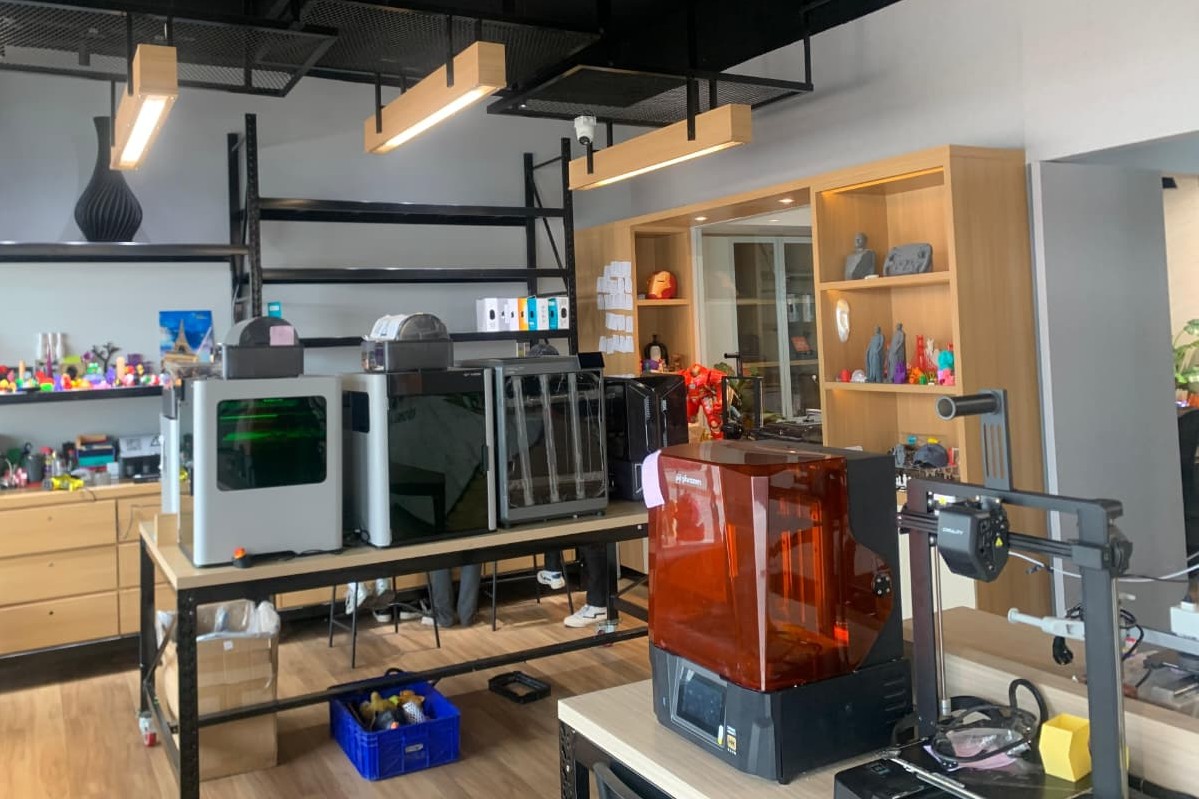
IndoCart is driving the development of a more open and inclusive 3D printing technology ecosystem in Indonesia. Albert Ong, IndoCart’s owner, stated that digital manufacturing technology such as 3D printing presents significant opportunities for creators, industry players, and educational institutions to transform ideas into tangible products more quickly and flexibly.
“From the outset, we have believed that technology, including 3D printing, should be accessible more widely to various sectors, not just specific segments,” Albert said in a written statement on Monday, 16 March.
He revealed that IndoCart is working to bridge the technology needs of creators and the creative industries, which have historically faced barriers to accessing production equipment. 3D printing technology is considered capable of serving various purposes, ranging from prototype development and functional components to creative works such as figures and miniatures.
Amid competition in technology device distribution, IndoCart has chosen to emphasise balance between product quality, price, and customer service. Albert stressed that the company does not target the lowest price point but rather quality and after-sales support.
“We ensure that every product sold remains relevant and has clear after-sales support,” he said.
Currently, IndoCart distributes various types of 3D printers, particularly FDM and resin technologies used across different sectors. FDM technology is commonly used for prototype and functional component manufacturing with plastic materials such as PLA and ABS. Resin technology, meanwhile, is used to produce highly detailed objects, such as miniatures, design models, and applications in medical and jewellery sectors.
IndoCart is also developing an education and community-based marketing strategy to expand the utilisation of 3D printing technology. This approach targets various segments, ranging from hobby communities and content creators to educational institutions.
“We are not merely selling products, but also building an ecosystem and fostering education in 3D printing technology,” Albert said.
The use of this technology is now expanding beyond individual needs to the education and industrial sectors, including small-scale production through the print farm concept.
Looking ahead, IndoCart plans to expand its business reach by opening new outlets and launching pop-up store concepts to increase public access to the technology. The company will also strengthen customer service and technical support to enhance user confidence.