
34 Villages in Grobogan, Central Java Hit by Flooding; 5,214 Families Affected
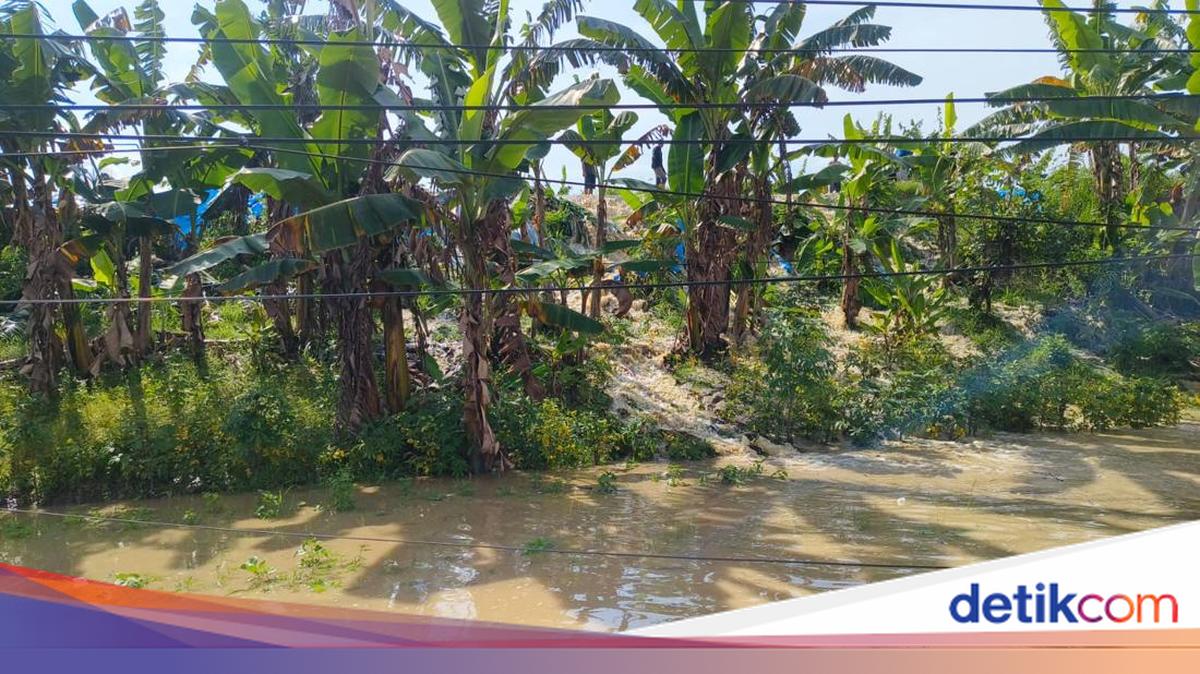
Flooding has struck 34 villages across nine sub-districts in Grobogan Regency, Central Java. A total of 5,214 households have been affected and one house has been reported severely damaged.
“The event was triggered by high-intensity rainfall from Sunday (15/2) at 21:00 Western Indonesian Time until Monday (16/2) at 05:00, combined with water surges from the upper reaches of the Glugu, Jajar and Tuntang rivers, causing them to overflow,” said Abdul Muhari, Head of the Data, Information and Communication Centre for Disaster Management at the National Disaster Mitigation Agency (BNPB), on Monday (16/2/2026).
The BNPB data was compiled as of Monday (16/2) at 02:00 Western Indonesian Time. The flooding was also triggered by several embankments that collapsed or sustained damage. Floodwaters in a number of areas have since receded.
According to data compiled by the Grobogan Regency Regional Disaster Mitigation Agency (BPBD), flooding in Kedungjati Sub-district affected seven villages due to the overflowing of the Tuntang River, with water levels reaching 20–40 centimetres.
“The breakdown is as follows: Klitikan Village (123 households), Kedungjati Village (98 households), Wates Village (1,000 households), Jumo Village (310 households), Deras Village (450 households), Kalimaro Village (321 households), and Padas Village (60 households). The floodwaters in this area have now receded,” he explained.
Meanwhile, in Tegowanu Sub-district, flooding inundated Tajemsari Village with 171 households affected in the Kendalsari and Mlangi hamlets, Sukorejo Village with 600 households affected, and Kebonagung Village with 526 households and 102 hectares of rice paddies affected. Water levels ranged from 20 to 100 centimetres.
“The Cabean River embankment in Tajemsari Village reportedly collapsed, and the Jratun River embankment in Mbaru Hamlet, Kebonagung Village, also sustained damage. Conditions are gradually receding,” he said.
In Gubug Sub-district, Penadaran Village was affected across three hamlets with water levels of 30–50 centimetres, which have since receded. However, community efforts to raise the Tuntang River embankment continue to prevent further overflow.
In Purwodadi Sub-district, flooding continues to inundate parts of Purwodadi Urban Village, where 584 households have been affected across the Jajar, Kemasan, Jetis Barat, Jetis Selatan, Simpang Utara and Banaran neighbourhoods. In Kalongan Urban Village, the Permata Hijau housing estate has been significantly affected, with water levels reaching one metre and 1,180 households impacted. Meanwhile, Karanganyar Village (Karangasem Hamlet) and Ngraji Village remain flooded with water levels of 20–50 centimetres.
In Karangrayung Sub-district, flooding occurred in Karangsono and Mojoagung villages. The Jajar Baru River embankment in Krasak and Klampisan hamlets, Mojoagung Village, collapsed over a length of approximately 15 metres each, allowing water to enter residential areas. Floodwaters are gradually receding and remain only on several village road sections.
In Geyer Sub-district, three houses in Bangsri Village were briefly inundated to a depth of 25 centimetres and have since dried out. In Toroh Sub-district, nine villages were affected, including Tambirejo Village (200 households across three hamlets), Katong, Sugihan and several other villages, with water levels of 30–50 centimetres that are now gradually receding.
In Pulokulon Sub-district, Karangharjo Village, particularly Legundi Hamlet, was affected by overflow from the Peganjing River reaching 50 centimetres, and 30 residents carried out self-evacuation. Meanwhile, flooding persisted until the afternoon in Penawangan Sub-district, where at least six villages were affected, including Leyangan, Toko, Sedadi, Tunggu, Karangwader and Pengkol.
Train Services Disrupted
Beyond the impact on residential areas, the flooding has also disrupted national transport. Train services on the northern line of the Jakarta–Surabaya route were hampered due to submerged tracks at Kilometre 32 on the section between Karangjati and Gubug. Officers conducted safety measures and remedial work to ensure operational safety.
As of 14:00 Western Indonesian Time, monitoring of water levels at the Sedadi Weir showed an elevation of 26.68 metres above sea level, placing it at alert level and gradually declining. However, the Menduran monitoring post recorded a rising trend in water discharge. The BNPB continues to coordinate with the BPBD and relevant agencies in emergency response efforts, ranging from resident evacuation and logistics distribution to field monitoring and emergency embankment reinforcement at multiple locations.
Based on weather forecasts from the Meteorology, Climatology and Geophysics Agency (BMKG), the potential for high-intensity rainfall persists over the next two days. With embankments having collapsed at several locations and river discharge levels remaining fluctuating, the threat of further flooding remains.
“The BNPB urges the public to heighten their preparedness, monitor official information from local government authorities, and immediately evacuate to safer locations should water discharge levels rise again. The safety of residents remains the top priority in the emergency flood response in Grobogan,” he said.