
300 School Buildings in Central Lombok to Be Revitalised This Year
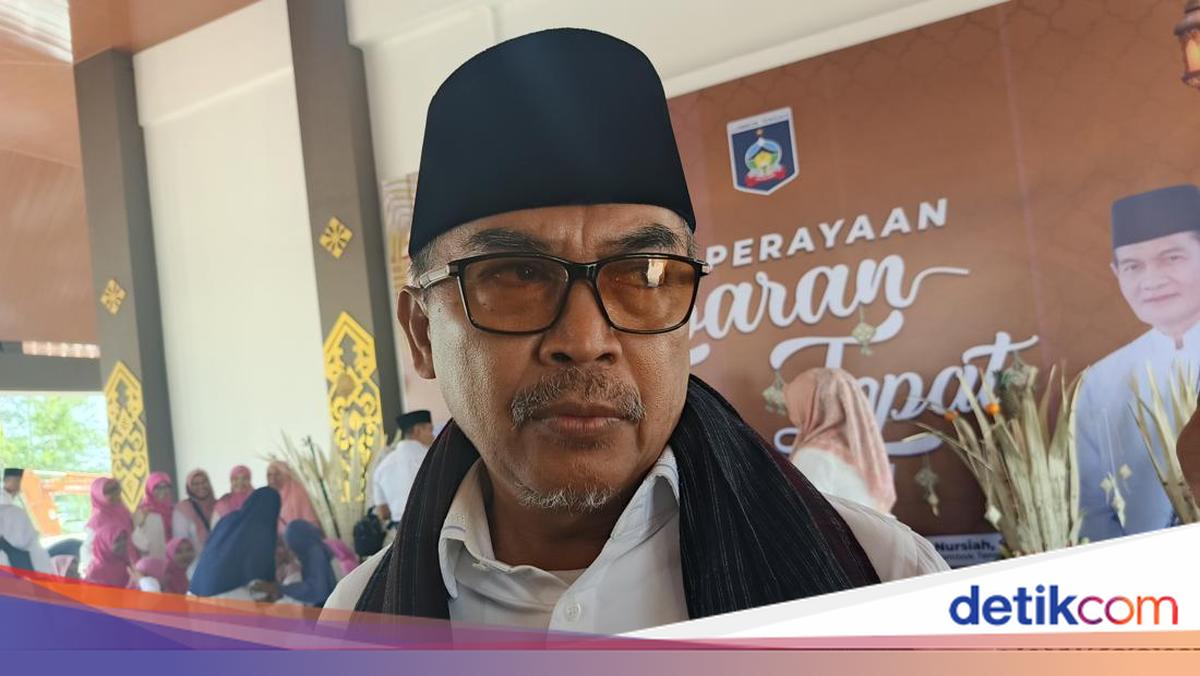
The Central Lombok Regency Government (Pemkab) will revitalise 300 school buildings in 2026. The repairs will cover 154 primary school (SD) units, 49 junior secondary school (SMP) units, and 97 kindergarten (TK) and early childhood education (PAUD) units.
The Head of the Education and Culture Department (Dikbud) of Central Lombok, Lalu Idham Khalid, stated that the revitalisation budget will not only come from the regional revenue and expenditure budget (APBD). According to him, there are also other funding sources, including from the central government.
“We already have a quota of 154 SDs, 49 SMPs, and 97 TKs and PAUDs. That is the quota given to the local government. There are also those through the DPRD’s Pokir route, and through the Apkasi route,” said Idham to detikBali in Praya, Central Lombok, on Sunday (29/3/2026).
Idham said that the condition of hundreds of schools under the Central Lombok Regency Government is still nearly 70% damaged. The remaining approximately 30% of school buildings are in good condition. He targets the revitalisation process for these hundreds of school buildings to be completed by 2029.
According to Idham, the total budget required for the school repairs is still being designed by the consultant team. He mentioned that the figure will emerge after the verification stage to be carried out this April.
“There is a survey team that will assess feasibility and determine the budget,” he explained.
Idham claimed that the government is committed to resolving issues with educational facilities and infrastructure in Central Lombok. According to him, the education sector is not affected by budget efficiency policies. He invites residents to jointly monitor all stages of the school repairs.
“I think education is not subject to efficiency. Just like last year, almost Rp 100 billion was allocated,” he concluded.