
3 Facts on the US-Iran Ceasefire Hanging by a Thread
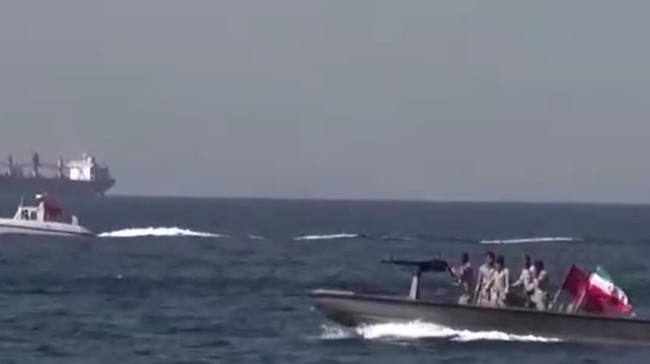
The ceasefire between the United States (US) and Iran is on the verge of collapse. The latest escalations in the Strait of Hormuz up to attacks on the United Arab Emirates (UAE) have sparked concerns that open conflict could erupt again in the near future.
Here are three key facts highlighting the fragility of the ceasefire and the potential for a new war:
- Clashes in the Strait of Hormuz Heat Up
Tensions have sharply increased in the Strait of Hormuz, a vital route through which around 20% of the world’s oil supply passes. US military forces are reported to have sunk six small Iranian vessels, though Tehran denies that its warships were affected.
In response, Iran accuses the US of attacking civilian ships. “They killed five civilian passengers and must be held accountable for their crimes,” stated Iranian state television, as quoted by AFP on Tuesday (5/5/2026).
US President Donald Trump has even issued strong threats. He stated that Iran would be “wiped off the face of the earth” if it attacks US vessels transiting the area.
- Attacks on the UAE Trigger Regional Alarm
For the first time since the ceasefire, the UAE has reported direct attacks from Iran in the form of missiles and drones targeting energy facilities in Fujairah. Three Indian nationals were reported injured.
The UAE’s Ministry of Foreign Affairs strongly condemned the actions. “These attacks represent a dangerous escalation and an unacceptable violation,” it emphasised.
Additionally, attacks were reported on areas of Oman near the Strait of Hormuz, broadening the potential for regional conflict. The UAE has even closed schools and reinstated distance learning as an emergency measure.
- Oil Prices Surge, World on Alert
The escalation of the conflict has directly shaken the global energy market. Brent crude oil prices surged more than 5% following the attacks on the UAE, exacerbating global economic pressures.
This spike in energy prices could add to the burden on consumers worldwide and pose a political challenge for Trump ahead of the congressional elections.
On the other hand, Iran asserts that there is no military solution to this crisis. “There is no military solution to the political crisis,” said Foreign Minister Abbas Araghchi, warning the US not to become further entangled in the conflict.
Nevertheless, diplomacy between the two countries remains deadlocked. The US has even cancelled plans for further negotiations, while Iran insists on maintaining control over the Strait of Hormuz.