
3.5 Million Homeward Travellers Predicted to Leave Jakarta; Jasa Marga Prepares Measures
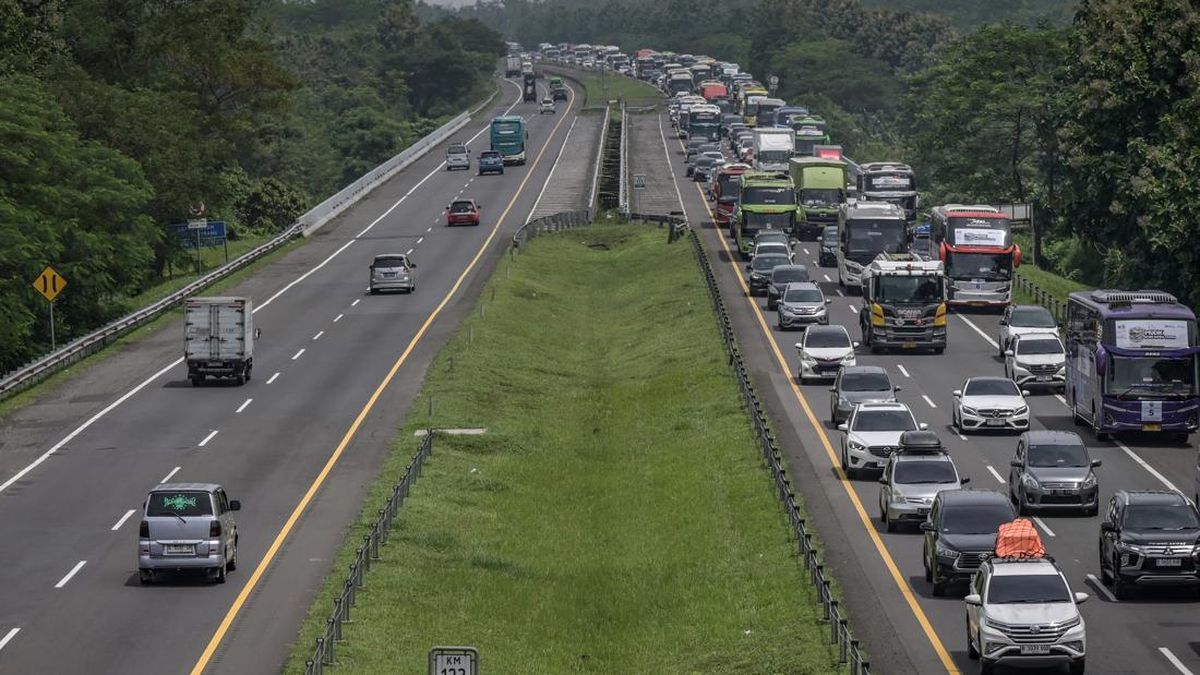
Jasa Marga has announced preparations to manage congestion during the 2026 mudik season, which is predicted to reach its peak on 18 March.
Lisye Octaviana, Corcomm and Community Development Group Head at Jasa Marga, projected that 3.5 million vehicles will depart Jakarta during the mudik period. More than 50 per cent of this traffic is expected to head to the Trans-Java toll road.
“The 3.5 million figure represents our projection of total vehicles during the mudik period from ten days before until ten days after the peak date for vehicles leaving Jakarta,” Lisye stated during the Forum Go Mudik 2026 on CNN Indonesia on Friday, 13 March.
Jasa Marga has implemented several anticipatory measures, including increasing operational vehicles and personnel, deploying additional mobile toll readers at toll gates to facilitate transactions, and opening four new functional toll lanes.
The four toll lanes are designated for police discretionary use. The first comprises the Jogja-Solo toll lane, extended to Purwomartani from its previous terminus at Prambanan. The second is the Jogja-Bawean toll lane, operational from Ambarawa to Bawen. The third is the Probolinggo-Banyuwangi toll lane, extending from Probolinggo to West Situbondo. The fourth is the Jakarta-Cikampek lane, exclusively for return traffic from Bandung to Jakarta, operational from Sadang to Setu.
“This route is specifically designated for return traffic from Bandung to Jakarta, which is predicted to be quite substantial, from Sadang to Setu,” Lisye explained.
Beyond infrastructure and facilities, Jasa Marga has prepared traffic management scenarios in coordination with police and transportation authorities. These include contraflow operations and one-way traffic arrangements, which are likely to be implemented during the peak mudik period on 18 March.
“We have prepared comprehensive anticipatory measures, including additional infrastructure and personnel. Importantly, information dissemination is crucial,” Lisye concluded.