
29 Israeli Citizens Trampled While Rushing to Bunkers During Iranian Missile Attacks
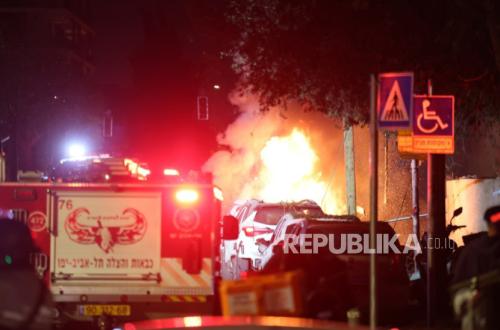
Tel Aviv – Israeli ambulance services reported 29 Israeli citizens injured after being trampled in a chaotic rush to reach protective bunkers. The panic erupted as Iran launched a fresh wave of missile strikes on Tuesday night.
The Iranian Revolutionary Guards announced the launch of a new wave of missiles as part of what Iran termed “True Promise 4” – beginning at dawn on Wednesday. The IRGC stated the attack would last at least three hours, representing the 37th wave of operations.
The Revolutionary Guards stated that the new missile barrage targeted American positions in Erbil and locations belonging to the Fifth Fleet, in addition to targets in central Tel Aviv.
Rocket sirens sounded from Rehovot to Hadera just before 4:00 am on Wednesday, and half an hour later, causing millions of people across central Israel and the northern West Bank to rush to shelters. No casualties were reported. The Israeli Air Force successfully intercepted the launches from Iran.
Wednesday morning sirens sounded several hours after an alert just before midnight on Tuesday evening warning of missile launches from Iran. Additional sirens sounded after midnight on Wednesday morning. Alarms also rang in Jerusalem and the Dead Sea region, and subsequently in the Haifa Bay and Carmel areas. Simultaneously, warnings were issued for armed unmanned aircraft entering Galilee.
An Indian journalist who recently returned from Israel described strict media censorship during the ongoing conflict between Iran and Israel.
Journalist Praj Mohan Singh stated that authorities tightly controlled what journalists could document regarding damage caused by Iranian missile strikes, Aljazeera reported.
“The government (Israel) won’t tell you anything, you can’t visit hospitals holding bodies, and when an incident happens, we don’t even know where it occurred,” he said.
According to Singh, Israeli occupation authorities also barred journalists from recording the destruction caused by Iranian strikes. His testimony circulated widely on social media platforms, where users described it as evidence of strict military censorship by Israel during the conflict.