
24-Hour Madura Warungs: Surviving on Small Transactions, Thriving on Trust
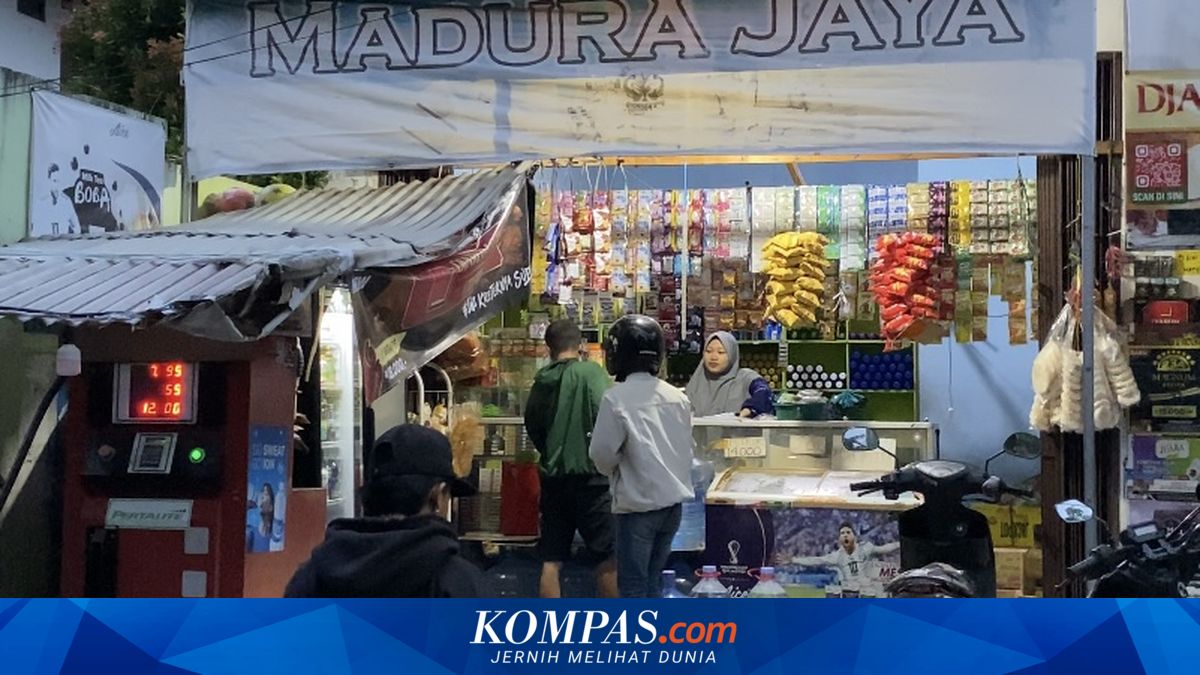
The lights never truly go out. In the corners of the city, 24-hour Madura warungs stand quietly, serving as pit stops for small needs and hopes that are not always grand.
This phenomenon is now commonly seen in various major cities. Madura warungs are not just places to shop but also pillars of the micro-economy for urban communities, informal workers, and migrants.
Economist and Head of the Macro Economy and Finance Centre at Indef, M. Rizal Taufikurahman, views the presence of Madura warungs as a form of adaptation for small businesses.
These warungs fill gaps not fully reached by modern retail. Their proximity, affordable prices, and non-stop operating hours keep them relevant.
“They can keep operational costs low due to the small scale of the business, limited family-based labour, and flexible supply chains,” said Rizal.
Transactions that occur are often small: instant noodles, sachet coffee, cigarettes, or soap. Yet, from these, the wheels of the business keep turning.
In Depok Baru, a warung measuring about 3x4 metres remains bustling despite its limited space. Sadad (27), a migrant from Sampang, Madura, spends his days behind the narrow shelves.
Goods are arranged as efficiently as possible. The front shelves are filled with fast-selling products, walls with sachet hangers, while stock is stored underneath.
“Because space is limited, stock can’t be too much. So restocking is needed 2-3 times a week,” he said.
Nights are never truly quiet. Regular customers come—students in boarding houses, online motorcycle drivers, and even lorry drivers.
“The important thing is not to close. Even if it’s only 4-6 people, that’s enough to keep the warung running,” said Sadad.
Kasbon is also part of daily life. Regular customers are given leeway, noted manually, and upheld by trust.
Behind it all, there are long working hours that are not always visible.