
24-Hour Madura Shops: From Minded the Store to Learning Business Through the "Boss" System
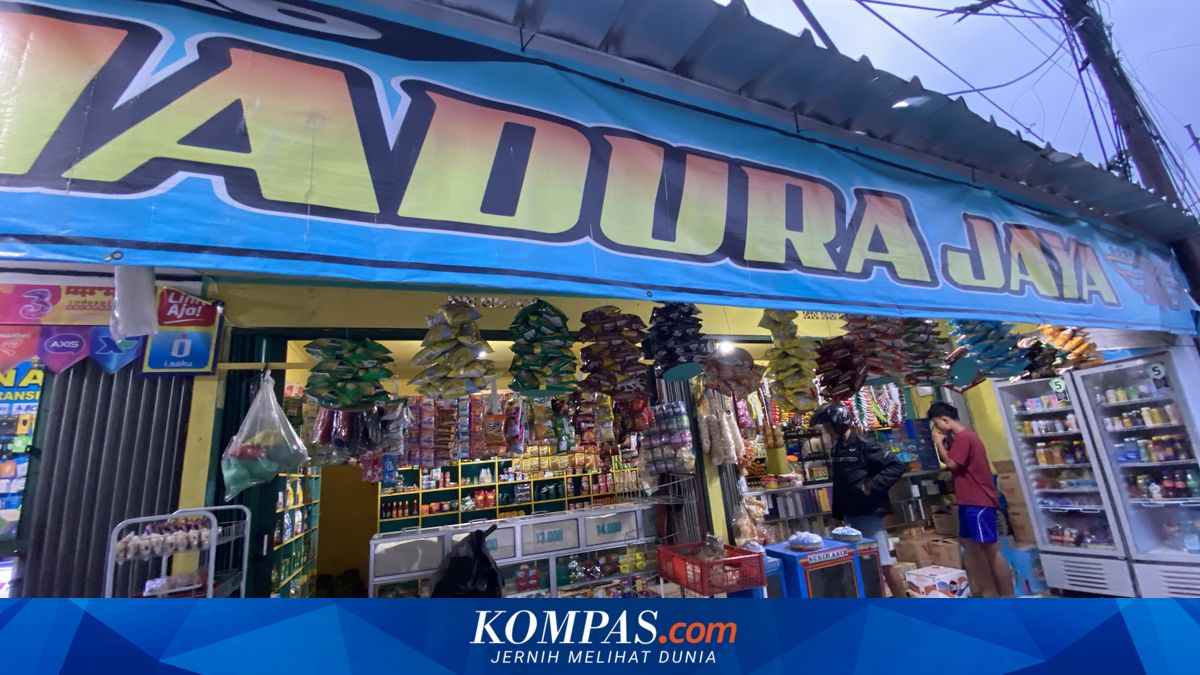
Behind the narrow display cases and lights that never go out, 24-hour Madura shops are more than just places of work. For many migrants, these spots become spaces for learning, from minding the store, understanding the flow of goods, to grasping how to survive in small business. The phenomenon of 24-hour Madura shops is now widespread across Indonesia’s major cities. Their presence not only meets daily consumption needs but also forms a nexus of the micro-economy for urban communities, informal workers, and migrants from Madura. “The 24-hour Madura shop phenomenon reflects the adaptation of UMKM to the dynamics of an increasingly competitive retail market, especially amid pressures on purchasing power,” said Rizal. Economically, Madura shops fill market niches not fully reached by modern retail. They offer daily necessities with advantages in proximity, time flexibility, and affordable prices. “They can keep operational costs down due to the small scale of the business, limited family-based labour, and flexible supply chains,” Rizal stated. In Depok Baru, a shop measuring about 3x4 metres is where Sadad (27) is navigating that process. He migrated from Sampang, Madura, at the age of 22. “After three years, my relative invited me to help here in Depok Baru,” said Sadad. He started with basic tasks—arranging goods, manning the till, and serving customers. The limited space requires efficient organisation. The front shelves are stocked with cigarettes, drinks, and snacks. Walls are used to hang sachets, while the lower parts serve as storage for stock. “Because space is limited, stock can’t be too much. So we restock 2-3 times a week,” he said.