
227 Million Children Projected to Be Obese by 2040
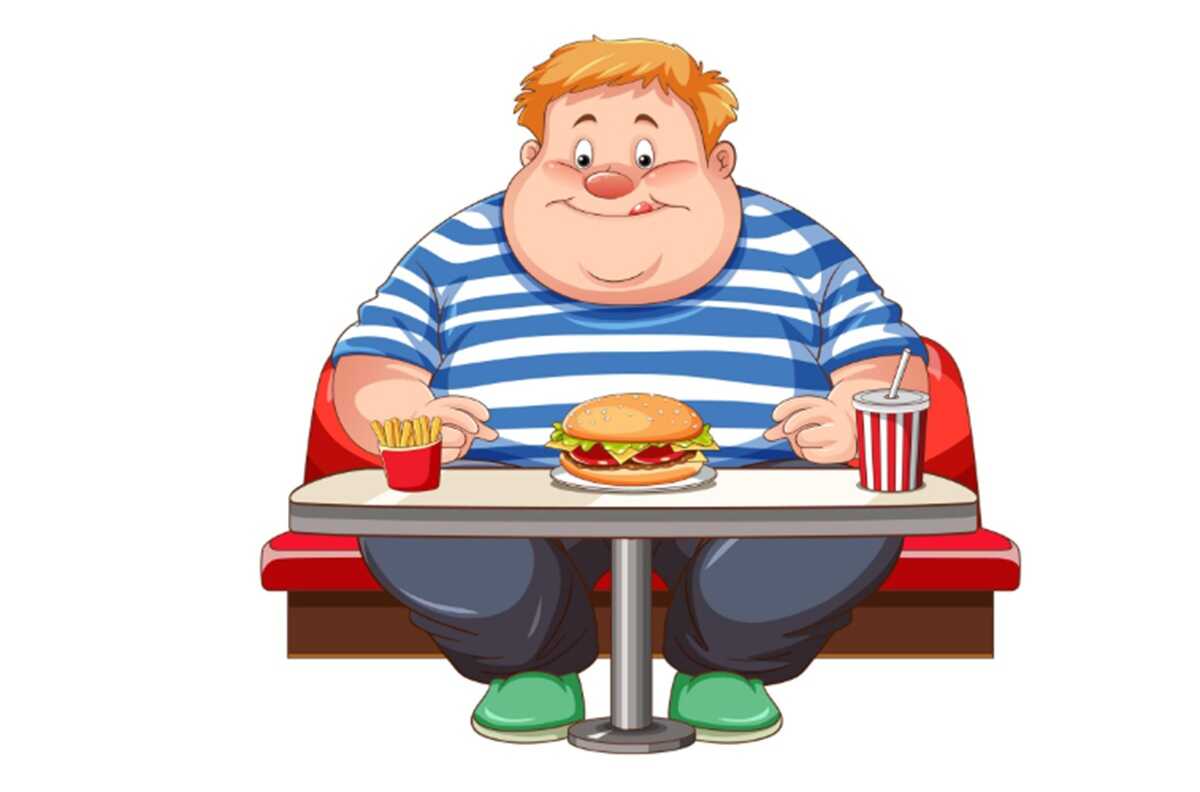
The world is facing a serious health crisis for future generations. A new international report warns that without drastic action, more than 220 million children worldwide will be living with obesity by 2040, with the World Obesity Atlas 2026, published by the World Obesity Federation, projecting the figure to reach 227 million among those aged 5 to 19. Even more worrying, more than half a billion children in that age group are expected to be overweight.
This is not merely a weight issue. The report estimates that at least 120 million school-age children will display early signs of chronic diseases linked to a high Body Mass Index (BMI). For reference, obesity is defined as a BMI of 30 or higher, while overweight is a BMI above 25.
Johanna Ralston, Chief Executive of the World Obesity Federation, described the rise as evidence of a failure to address obesity as a serious disease. ‘It is not acceptable to let one generation fall into obesity and the non-communicable chronic diseases that often accompany it,’ she said.
In the United Kingdom, around 3.8 million children are recorded as having a high BMI — a record high that places the country among the worst in Europe. By 2040, it is projected that 370,000 children in the UK will show signs of cardiovascular disease and a further 271,000 will suffer from hypertension.
The report highlights sharp regional disparities: the ten countries with the highest rates of child obesity are in the Western Pacific and the Americas, but the fastest growth is occurring in low- and middle-income countries.
Dr. Kremlin Wickramasinghe of the World Health Organization (WHO) Europe described childhood obesity as an ‘environmental failure’ and urged governments to be bold in restricting marketing by the food industry that targets children. ‘Most governments allow the food industry to target children without restriction. What we need is political will to take action and to counter industry interference,’ he said.
In response to the report, a spokesperson for the Department of Health and Social Care stated that the government is tightening rules on advertising unhealthy foods on television before 9 pm and is considering a total ban online. The move is expected to cut up to 7.2 billion calories per year from children’s diets. Additionally, local authorities would be given greater powers to curb the opening of fast-food outlets near schools to foster a healthier and more active environment for children.