
22 Percent of Global Trade Passes Through the Malacca Strait: Why Is It So Important?
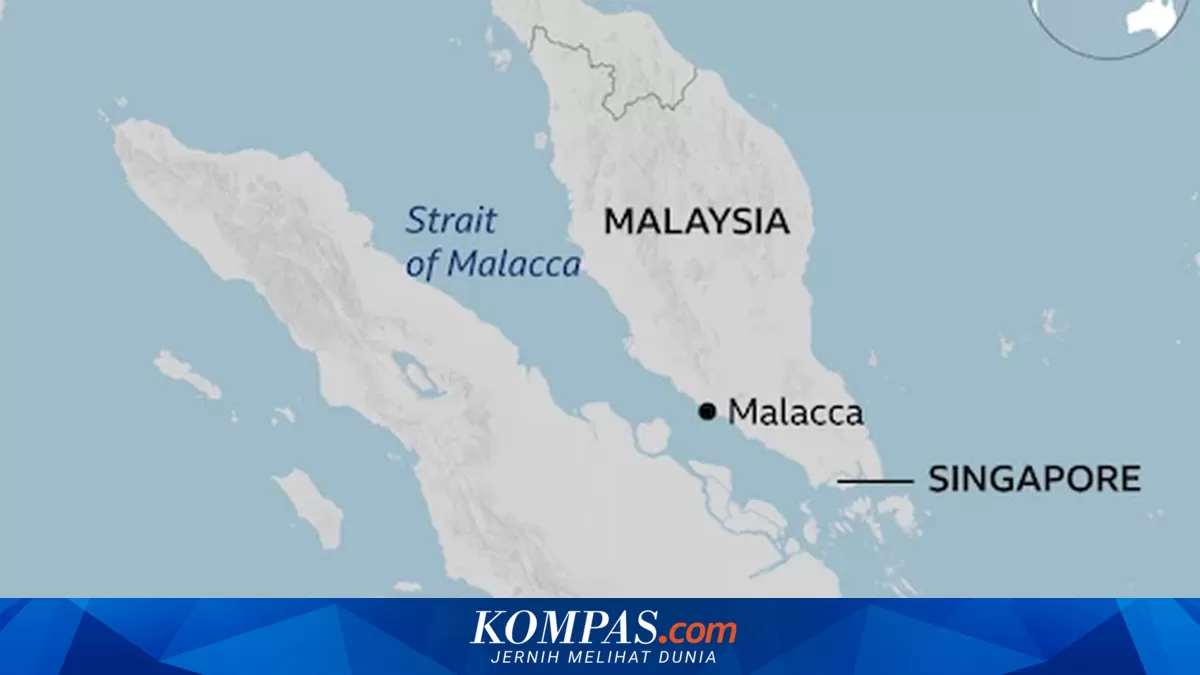
The Malacca Strait is once again in the spotlight amid escalating geopolitical tensions in the Strait of Hormuz. However, long before the latest tensions in the Middle East, this sea lane between Indonesia, Malaysia, Singapore, and Thailand has been one of the lifelines of global energy trade, particularly oil. Its strategic status is inseparable from its position as the shortest sea route connecting the Middle East and Europe with East Asia. The Center for Strategic and International Studies (CSIS) notes that nearly 22 percent of the world’s maritime trade passes through the Malacca Strait. From an energy perspective, citing the Malay Mail, this route is even described as the world’s largest oil transit chokepoint by the U.S. Energy Information Administration (EIA), surpassing the Strait of Hormuz. In the first half of 2025, around 23.2 million barrels of oil per day passed through the Malacca Strait, equivalent to 29 percent of total global seaborne oil flows. In comparison, the volume in the Strait of Hormuz was recorded at 20.9 million barrels per day. One of the main reasons the Malacca Strait is an important route is logistical efficiency. For oil tankers carrying oil from the Persian Gulf to East Asia, passing through the Malacca Strait shortens travel time compared to alternative routes such as the Lombok Strait or going further south around Indonesia. If this route is disrupted or closed, ships must take longer alternative routes, meaning shipping costs rise, supplies slow down, and energy prices could potentially be driven higher. Such route diversions can delay deliveries and increase prices. The majority are commercial ships, including oil tankers. In an Indian Express report, the Malacca position as a chokepoint also makes it a node that determines the smoothness of global trade flows, as even minor disruptions can have chain reaction impacts on international supply chains.