
21 May 2026 Reform Day: Its History and Significance for Indonesia
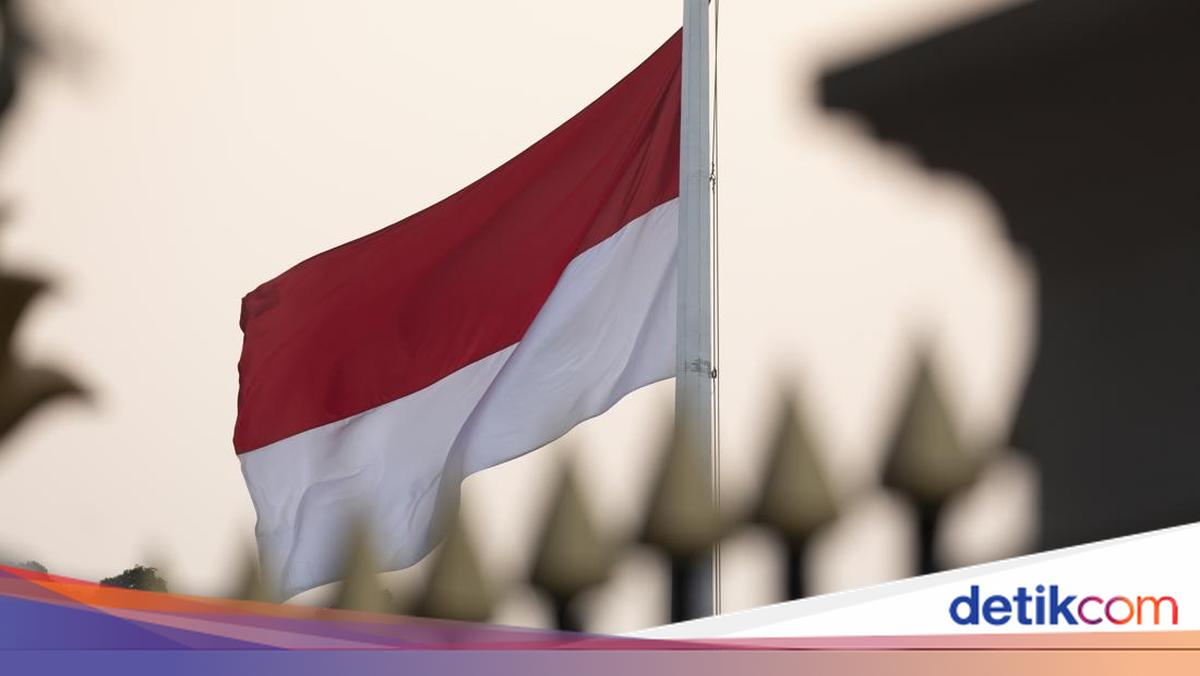
21 May has long been one of the most significant dates in Indonesian history. The day marks the end of the New Order government after President Soeharto formally resigned on 21 May 1998.
The Reform movement of 1998 emerged from mass demonstrations by students and the public in various regions. They demanded changes to the government amid an economy deteriorating due to the currency crisis, rising prices of essential goods, and rampant corruption, collusion, and nepotism (KKN).
Commemoration of Reform Day is not only a reminder of the fall of the New Order, but also a symbol of the people’s struggle for democracy, justice, and government that is more open. Yet what exactly is the history that led to Reform Day?
Here is the history and meaning of Reform Day for Indonesia, summarised from the book Jejak Sejarah Indonesia (From Colonialism to the Reform Era) by Sigit Pandu and the Seri IPS Sejarah History Series by Prawoto. Read to the end, Detik readers!
Which Reform Day in 2026?
Reform Day is commemorated every 21 May. The date refers to the resignation of President Soeharto on 21 May 1998, which marked the start of the Reform Era in Indonesia. This moment became a milestone in the nation’s journey as it opened the way for changes in politics, law, governance, and freedom of expression. In 2026, Indonesians will mark Reform Day as the 28th anniversary since 21 May 1998.
What is Reform?
Reform is the movement to overhaul the governmental and national life systems that are considered deviant. In linguistic terms, reform comes from the prefix re meaning again and formasi meaning arrangement, so reform can be interpreted as a reorganisation.
In Indonesia, reform is synonymous with the end of the New Order era and the beginning of a new era after President Soeharto’s resignation in 1998. During more than three decades of the New Order, a range of issues emerged such as KKN practices, restrictions on freedom of expression, and abuses of power.
The Reform movement was led by students who demonstrated in various regions. Their demands included:
Put Soeharto and his cronies on trial
Implement amendments to the 1945 Constitution
Abolish ABRI’s dual function
Implement broad regional autonomy
Uphold the supremacy of the law
Create a government free from KKN.
Background to Reform Day on 21 May
The background to the 1998 Reform movement cannot be separated from the monetary crisis that afflicted Indonesia since 1997. The rupiah plunged, inflation rose, the prices of essential goods surged, and people’s purchasing power fell sharply.
The situation worsened after the MPR General Session in March 1998 again chose Soeharto and B.J. Habibie as President and Vice President of the Republic of Indonesia for the 1998–2003 term. Subsequently, Soeharto formed the Development Cabinet VII.
In May 1998, students nationwide began to stage protests and acts of concern. They demanded lower prices for basic staples, the elimination of KKN, and Soeharto’s resignation from the presidency.
Demonstrations intensified after the government announced price increases for fuel and transport on 4 May 1998, triggering waves of student protests in many cities.
The peak of tensions occurred on 12 May 1998 in demonstrations by students of Trisakti University in Jakarta. Clashes with security forces left four students—Elang Mulia Lesmana, Hery Hartanto, Hafidhin A. Royan, and Hendriawan Sie—dead from gunshot wounds. Dozens of other students were injured and taken to Sumber Waras Hospital.
The deaths of the four Trisakti students sparked larger demonstrations across the country. On 13–14 May 1998, mass riots and looting occurred in Jakarta and other areas. Many shops were burned and looted, and hundreds of people were reported dead.
On 19 May 1998, students from various universities succeeded in occupying the MPR/DPR building in Jakarta. On the same day, Harmoko, as the head of the MPR/DPR, also urged President Soeharto to resign.
In Yogyakarta, millions gathered at the Alun-alun Utara of the Yogyakarta Palace for the Pisowanan Agung ceremony to hear proclamations by Sri Sultan Hamengku Buwono X and Sri Paku Alam VII.
The day after, precisely on 20 May 1998, President Soeharto invited several religious and community leaders to consider the formation of a Reform Council.
Yet public pressure continued to rise. Finally, on 21 May 1998 at 10:00 a.m. Western Indonesian Time, President Soeharto formally resigned before the Chief Justice and members of the Supreme Court.
‘I have decided to resign from my position as President of the Republic of Indonesia, effective from the moment I read this statement today, Thursday 21 May 1998,’ the President said at the time, as reported by detikNews (19/5/2023).
Under Article 8 of the 1945 Constitution, the presidency was then handed to Vice President B.J. Habibie, who was immediately sworn in as President of the Republic of Indonesia. Since then, 21 May has been commemorated as Reform Day, although it has not yet been formally established by law.
The Meaning of Reform Day 21 May for Indonesia
Reform Day carries an important meaning for Indonesia’s democratic journey. This event stands as a symbol of the people’s struggle for change and for governance that is fairer. Reform also opened the way for major changes in Indonesia, such as freedom of the press, more democratic elections, presidential term limits, and greater freedom for people to express their views.
Additionally, Reform Day serves as a reminder that democracy must be safeguarded. The spirit of reform