
2,000 Ships Detained in Hormuz, World Loses 20 Million Barrels per Day
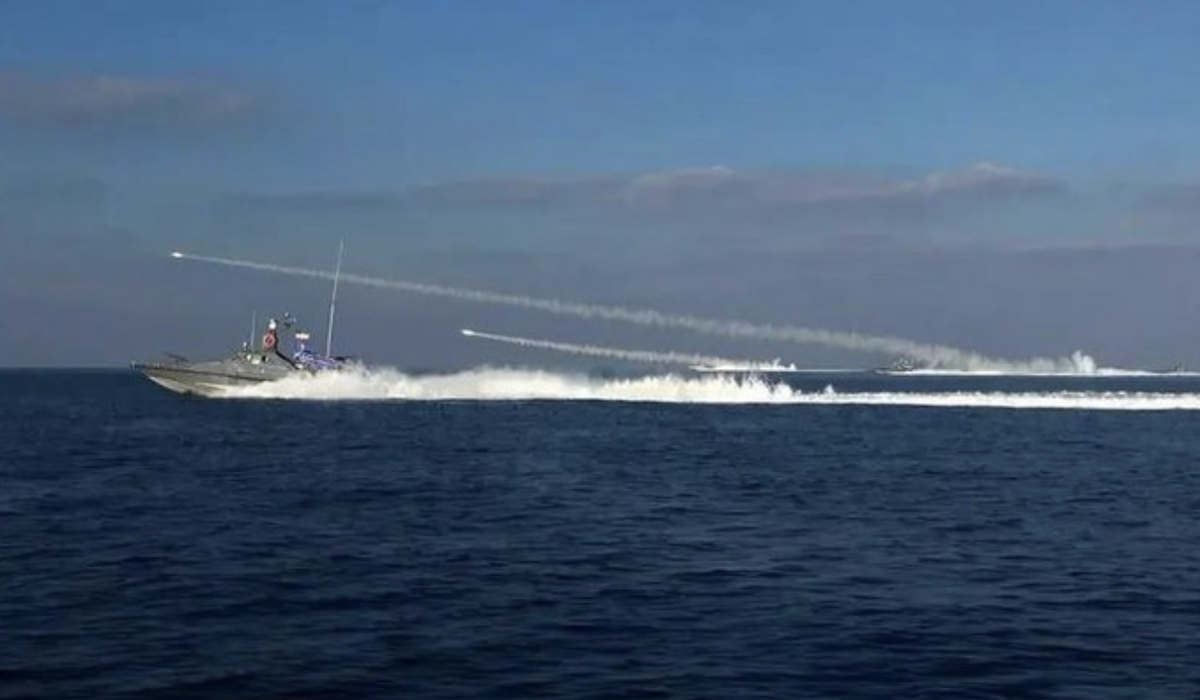
Iran’s de facto blockade of the Strait of Hormuz, in response to the conflict with the United States (US) and Israel, has sparked a global energy crisis deemed one of the worst in decades. Since the war broke out on 28 February, Tehran has continuously obstructed shipping routes in the strait, which normally handles around 20 million barrels of oil per day. This situation directly impacts global economic stability, as the Strait of Hormuz is the world’s primary energy distribution route. Tensions in the region have also triggered a surge in inflation and supply disruptions for countries heavily reliant on this passage. The situation has worsened with nearly 2,000 ships detained around the narrow strait, located between Iran to the north and Oman and the United Arab Emirates to the south. International Maritime Organisation Secretary-General Arsenio Dominguez stated that thousands of ships are now awaiting permission to pass on both sides of the strait. Meanwhile, maritime intelligence firm Windward reports that many ship operators are opting to wait outside the area rather than take longer, more expensive alternative routes. Amid this, Iran’s parliament is reportedly reviewing legislation to impose fees on ships transiting the Strait of Hormuz. “Under this plan, Iran will collect fees to ensure the security of ships passing through the Strait of Hormuz,” an Iranian official said, as reported by Al Jazeera on Sunday (29/3). “This is entirely reasonable. Like in other corridors, when goods pass through a country, customs duties are imposed. The Strait of Hormuz is also a corridor. We ensure its security, so it is fair for ships and tankers to pay duties to us,” he added. The blockade’s impact is immediately felt in the global energy market. Oil prices have surged above $100 US per barrel, up about 40 percent from before the conflict. This spike is forcing several countries, especially in Asia, to implement fuel rationing and reduce industrial production. Some affected nations are reportedly lobbying Iran to reopen the shipping route, given that the strait is a major access point for oil and gas exports from many Gulf producers. Iran is using control over the Strait of Hormuz as one of its main conditions to end the conflict. Iranian parliament member Alaeddin Boroujerdi stated that his country has begun imposing transit fees on ships passing through. “Now, because war has costs, of course we must do this and collect transit fees from ships passing through the Strait of Hormuz,” he said. This situation demonstrates that the conflict in the Middle East not only affects military aspects but also shakes global economic stability through the world’s vital energy route.