
19,167 KAI Employees Certified, Train Safety in the Spotlight
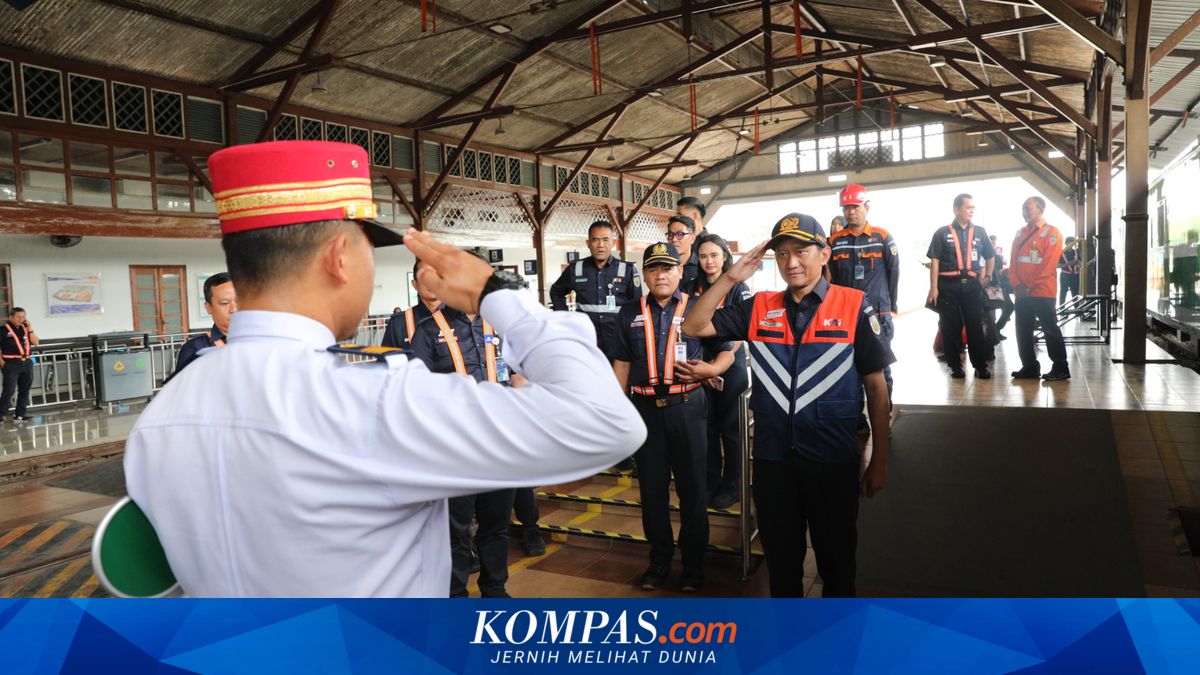
JAKARTA - Amid rising public mobility relying on trains as a daily transport mode, PT Kereta Api Indonesia (KAI) continues to strengthen human resource competence to maintain train journey safety.
The number of KAI workers holding competence certifications has been steadily increasing in recent years. In 2022, the number of certified workers reached more than 14,150 people, then rose to more than 15,983 workers in 2023, increased again to 16,186 workers in 2024, and reached 19,167 certified workers in 2025.
“In 2026, KAI targets 18,297 certified workers spread across various strategic operational sectors,” said KAI Vice President of Corporate Communication Anne Purba in an official statement on Friday (8/5/2026).
Additionally, there are 1,542 PPKA Assistants, 1,482 infrastructure maintenance personnel in the rail and bridge sector, 1,437 personnel for train operation facility maintenance, 1,854 rail and bridge infrastructure inspectors, and 2,652 facility inspectors who hold competence certifications.
According to Anne, the increasing number of certified human resources is a crucial part of efforts to maintain the reliability of train operations that serve millions of customers daily across various regions.
“Train journey safety is built on competence, meticulousness, discipline, and consistent adherence to operational procedures,” said Anne.
Therefore, every operational staff must undergo education, training, competence testing, and certification before working in the field.
In addition to certifications from authorised institutions, including the National Professional Certification Agency (BNSP), KAI also regularly conducts training, workshops, operational simulations, and competence refreshers to ensure human resource readiness remains maintained.
“In train operations, decisions made by staff must be quick, accurate, and in accordance with procedures. Therefore, the competence-building process is carried out continuously so that every staff member is prepared to face various operational conditions in the field,” explained Anne.